
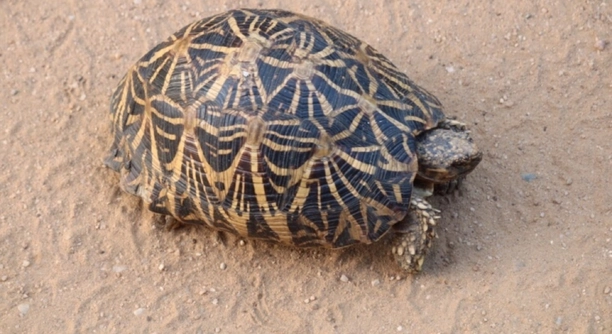
Turtles are fascinating creatures, but when their shell starts to turn white in certain areas, it can be concerning. Understanding the reasons behind this can help ensure the health and well-being of your pet.
White patches on a turtle’s shell are often linked to various factors such as fungal infections, improper care, or dehydration. These issues can cause changes in the shell’s appearance, which may require prompt attention to ensure your turtle’s health.
Knowing the causes of white patches is key to addressing the issue. Understanding these factors will guide you in taking the necessary steps to improve your turtle’s health.
Causes of White Patches on a Turtle’s Shell
White patches on a turtle’s shell are a common concern, often resulting from a variety of factors. One main reason is a fungal infection, which can cause white, flaky areas on the shell. These infections typically arise when the turtle’s habitat is too humid or wet for extended periods. Improper diet or a lack of essential nutrients can also play a role in the development of these patches. In some cases, dehydration leads to the weakening of the shell, causing discoloration. Exposure to harsh chemicals, including chlorine in water, can contribute as well.
A proper environment, balanced diet, and regular care are essential in keeping a turtle’s shell healthy. If the patches appear alongside other symptoms like lethargy or loss of appetite, it is crucial to seek veterinary advice.
Monitoring the turtle’s water quality and humidity levels, as well as ensuring a nutritious diet, can prevent further damage. By addressing these factors, you can help restore your turtle’s health.
How to Prevent White Patches
The best way to prevent white patches on your turtle’s shell is by maintaining a clean, dry, and well-ventilated living space. This helps avoid fungal growth.
Proper hydration is key, as dehydration weakens the shell. Regularly cleaning the habitat and providing the right temperature and humidity levels are essential.
Fungal Infections and Shell Discoloration
Fungal infections are a common cause of white patches. These infections thrive in humid or overly wet environments and can affect a turtle’s shell.
When fungi invade, they create white, powdery patches on the shell. These areas are often rough and flaky. If not treated, the infection may spread, causing further damage. Maintaining a clean and dry habitat is essential to preventing fungal growth. Regularly disinfecting the tank and ensuring good air circulation can help keep these infections at bay.
A turtle’s shell is vulnerable to fungal growth when it is exposed to excess moisture. Keeping the enclosure dry and using proper bedding materials can minimize the chances of infection.
Diet and Nutritional Deficiencies
A lack of proper nutrition can lead to discoloration and weak shells. Turtles need a balanced diet to keep their shells healthy.
Without essential vitamins and minerals, such as calcium, turtles may develop soft spots or white patches on their shells. This condition is a sign that your turtle may not be getting enough of the right nutrients. Including a variety of vegetables, protein, and calcium supplements in their diet can help maintain shell health.
It’s important to avoid feeding only one type of food. A varied diet with the right nutrients promotes a strong, healthy shell and prevents the development of white spots.
Dehydration and Shell Health
Dehydration is a common issue that leads to shell problems, including white patches. It can weaken the shell and make it more susceptible to damage.
Turtles need proper hydration to maintain their shell’s strength. Without enough water, their shells become brittle, leading to discoloration. Offering fresh water daily and maintaining a humid environment helps prevent dehydration.
Environmental Factors
A turtle’s environment plays a significant role in shell health. Harsh water conditions and poor tank maintenance can lead to discoloration.
If the water is too chlorinated or contains harmful chemicals, it can cause the shell to turn white. Regular water changes, filtration, and monitoring water quality are crucial steps in maintaining a healthy habitat. A balanced environment will support the turtle’s overall well-being.
Stress and Shell Discoloration
Stress can cause various health issues in turtles, including white patches on their shells. High levels of stress affect their immune system, making them more vulnerable to infections.
Changes in habitat, overhandling, or the presence of aggressive tank mates can lead to stress. Creating a stable, calm environment helps reduce these factors.
FAQ
What should I do if my turtle’s shell is turning white?
If you notice white patches on your turtle’s shell, first check its environment. Ensure the tank is clean, dry, and has proper humidity levels. Look for any signs of fungal infections or dehydration. If the white patches persist or worsen, consult a vet. They can diagnose the cause and provide treatment options.
Can I treat white patches on my turtle’s shell at home?
Yes, you can manage some cases at home. If the white patches are due to excess moisture or minor dehydration, adjusting the turtle’s environment should help. Make sure the tank has the right humidity and temperature. For fungal infections, a vet may recommend an antifungal treatment, but it’s essential to follow their advice closely.
How do I know if my turtle has a fungal infection?
Fungal infections often present as white, powdery patches on the shell. The infected area may be rough or flaky. If your turtle is also lethargic, not eating, or showing signs of pain, it could be a sign of infection. A vet can confirm the diagnosis and suggest the best treatment plan.
What causes a turtle’s shell to turn white from dehydration?
Dehydration can make a turtle’s shell brittle and cause white patches to appear. When a turtle doesn’t drink enough water, its shell can dry out, leading to discoloration. Ensure your turtle always has access to fresh water and that the tank’s humidity is maintained at an appropriate level.
Can stress cause white patches on a turtle’s shell?
Yes, stress can lead to changes in a turtle’s shell. When turtles are stressed, it can affect their immune system, making them more susceptible to infections. If a turtle is constantly stressed by overhandling, aggressive tank mates, or poor living conditions, it might develop white patches as a result.
Are calcium deficiencies linked to white patches on a turtle’s shell?
Calcium deficiencies are one of the main causes of shell abnormalities in turtles. Without enough calcium, the shell can become weak and may develop white spots or patches. Make sure to provide your turtle with a balanced diet that includes calcium supplements, particularly if it’s not getting enough from its food.
Can poor water quality lead to white patches on a turtle’s shell?
Yes, poor water quality can definitely cause issues with your turtle’s shell, including discoloration. High levels of chlorine or other chemicals can harm the shell, leading to white patches. Regular water changes and using a filtration system will help maintain good water quality and protect your turtle’s shell.
Is a turtle’s shell turning white a sign of old age?
While it’s normal for a turtle’s shell to become less vibrant with age, drastic changes, such as turning completely white, are not typical of aging. If you notice sudden discoloration, it’s more likely to be caused by environmental factors, nutritional deficiencies, or an infection. Regular veterinary checkups are important to monitor your turtle’s health as it ages.
How can I prevent white patches from appearing on my turtle’s shell?
Prevention is key. Ensure your turtle has a clean and dry habitat with appropriate humidity and temperature levels. Provide a balanced diet, including enough calcium, and make sure your turtle stays hydrated. Regularly check the water quality, and avoid overhandling or causing stress to your turtle.
How long does it take for a turtle’s shell to recover from white patches?
The recovery time depends on the cause of the white patches. If it’s a mild case of dehydration or poor habitat conditions, the shell might improve in a few weeks once the environment is corrected. If a fungal infection is the cause, it may take longer, and the turtle may need medication from a vet.
Final Thoughts
Turtles are resilient creatures, but their shells are sensitive to changes in their environment, diet, and overall care. White patches on a turtle’s shell can be a sign of various issues, ranging from fungal infections to dehydration or poor nutrition. It’s essential to identify the underlying cause of the discoloration to ensure the proper treatment. Regularly monitoring your turtle’s health and providing a suitable habitat can prevent many common shell issues. Making adjustments to their diet and environment is often the first step in addressing white patches.
When caring for a turtle, it’s important to focus on maintaining a balanced habitat. Ensure the tank has proper temperature, humidity, and clean water to reduce the risk of fungal infections or dehydration. Additionally, providing a diet rich in calcium and essential vitamins will help maintain a healthy shell. Regularly checking for signs of stress or illness, such as white patches, can help you catch problems early. If you notice any persistent changes, consulting with a veterinarian is a good idea to rule out any serious health concerns.
In conclusion, understanding the factors that contribute to white patches on a turtle’s shell is key to their care. Addressing environmental conditions, improving diet, and managing stress can help prevent many shell-related issues. Taking proactive steps and seeking professional help when needed will ensure your turtle remains healthy and happy for years to come.

Hello,
If you enjoy the content that we create, please consider saying a "Thank You!" by leaving a tip.
Every little bit helps us continue crafting quality advice that supports the health, happiness, and well-being of pets around the world, for pets of all shapes, sizes, and species.
We really appreciate the kindness and support that you show us!