
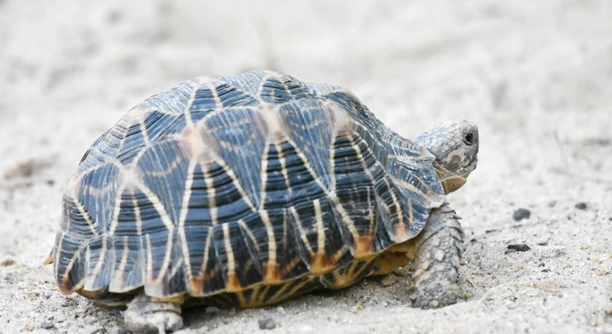
Turtles are fascinating creatures, and understanding their nesting behavior is essential for their well-being. Their movements can sometimes leave owners puzzled, especially when it comes to shifting their nesting area. Here’s what you need to know.
The primary reason a turtle may keep moving its nesting area is due to environmental factors such as temperature, humidity, or disturbance in the surrounding environment. These factors can trigger the turtle’s instinct to search for a more suitable location.
Understanding these behaviors will help ensure your turtle feels comfortable and secure in its nesting process. Keep reading to learn more!
Reasons for Moving Nesting Areas
Turtles are instinctual creatures, and they often move their nesting areas for various reasons. The environmental conditions, such as the temperature and humidity, play a significant role in this. If the area feels too hot, too dry, or has disturbances from predators, the turtle may decide to relocate its nest. It’s important to create a peaceful environment for the turtle, allowing it to settle in one place. Their nesting behavior is often influenced by factors like the presence of natural sunlight or the proximity to water sources.
These factors directly impact the turtle’s choice of nesting site. If conditions are unfavorable, the turtle will instinctively search for a better place, showing how sensitive they are to their surroundings.
Creating a balanced environment with the right amount of moisture and warmth will help ensure the turtle stays comfortable and safe. Understanding these needs will reduce the likelihood of the turtle moving its nest repeatedly.
Environmental Factors Affecting Nesting
Temperature and humidity are key factors in a turtle’s nesting behavior. If these aren’t right, the turtle may not feel safe and secure. Proper conditions should be maintained.
Turtles are particularly sensitive to changes in their environment. Factors like soil temperature, sunlight exposure, and even the presence of other animals can lead them to move their nesting site. If you’ve noticed your turtle shifting its nesting area, these are likely the reasons behind the change. Ensuring an environment that mimics the turtle’s natural habitat will go a long way in making sure they feel at home.
If the turtle doesn’t feel its nesting area is suitable, it will continue to look for a more favorable spot. This process may continue until the proper environment is found. By keeping these factors in mind, you can help your turtle stay in one place.
Disruptions from Other Animals
Turtles often move their nests if they feel threatened by other animals. Predators such as raccoons, birds, or even other turtles can cause them to relocate. If the nesting area feels unsafe, the turtle’s instinct is to find a more secure location.
These disturbances can be subtle, like the presence of other creatures nearby or the smell of potential threats. If a turtle perceives any risk, it may leave the area to find a safer spot. This instinct helps protect the eggs and the turtle itself. A peaceful, predator-free environment is crucial for their nesting success.
Creating barriers or providing sheltered spaces can help reduce disturbances. Keeping the nesting area in a quiet, undisturbed location ensures the turtle feels secure. This is key to maintaining a stable nesting area for the turtle, reducing the likelihood of them moving around.
Ideal Nesting Conditions
For a turtle to settle comfortably, specific conditions need to be met. The right temperature, humidity, and soil texture are essential. Too much heat or humidity can make the turtle uncomfortable and prompt it to search for a new nesting spot.
A balanced environment with the right soil depth and moisture level is vital. The turtle will seek areas that mimic its natural habitat. A soft, sandy soil is often preferred, as it provides easy digging and proper ventilation for the eggs. Ensuring the soil’s moisture level matches the turtle’s natural environment helps prevent nesting site relocation.
Monitoring the conditions closely will help you create an ideal space for the turtle. If the soil is too dry or wet, it can negatively impact the nesting process. Making adjustments to improve the environment will help keep the turtle in place.
Overcrowding and Space
Turtles can feel stressed if their space becomes overcrowded. This stress may prompt them to move their nesting site. When there are too many turtles in one area, they may compete for the best nesting spots.
Overcrowding not only creates stress but can also lead to conflict between turtles. This can disrupt their natural behavior, causing them to relocate. It’s important to give turtles enough space to feel secure and avoid forcing them into close quarters. A spacious and comfortable environment helps keep the turtles from moving their nests.
Lack of Privacy
Privacy is essential for a turtle’s nesting process. If they feel exposed or vulnerable, they may move their nesting site. Providing a secluded, quiet area encourages the turtle to stay in one place.
Turtles are naturally private creatures when it comes to nesting. If their surroundings aren’t private enough, they may feel unsafe and look for a more secure location. A hidden spot, away from disturbances, helps the turtle feel protected. Privacy helps the turtle focus on nesting without distractions or threats.
Weather Conditions
Extreme weather can cause turtles to relocate their nesting areas. High winds, heavy rain, or extreme temperatures can make a turtle feel unsafe in its current spot. These conditions may encourage the turtle to search for more stable ground.
Weather changes significantly affect the turtle’s decision to move its nesting site. For example, rainy weather can make the ground too wet or unstable, prompting a turtle to relocate. Similarly, heatwaves or cold snaps can cause the turtle to find a cooler or warmer place. Keeping track of weather conditions is crucial to providing the best nesting environment.
FAQ
Why does my turtle move its nesting area constantly?
Turtles may move their nesting area if the environment doesn’t feel right. Changes in temperature, humidity, or disturbances from other animals can prompt them to find a safer or more comfortable spot. Instinctually, they are trying to find a place that feels secure enough to lay their eggs. If your turtle is repeatedly shifting its nesting site, it’s worth checking the conditions like temperature, moisture, and safety to ensure they are optimal for nesting.
How can I stop my turtle from moving its nesting area?
To prevent your turtle from moving its nesting area, make sure its environment is ideal. This includes maintaining proper temperature, humidity, and soil moisture. Also, ensure the area is quiet and free of predators. Giving the turtle space to feel secure and adding privacy can help reduce its need to move the nest.
What temperature should I maintain for turtle nesting?
Turtles generally prefer a temperature range between 75°F and 85°F for nesting. Too high or low of a temperature can cause discomfort and prompt them to move. If the nesting area is too hot, it could dry out the soil, while cold temperatures can make the area unappealing to the turtle. Keeping the temperature steady within this range can help encourage the turtle to stay in one place.
How does humidity affect turtle nesting?
Humidity is crucial for turtles when nesting. They require a moderate level of moisture in the soil to dig properly and keep their eggs protected. If the nesting area is too dry, the turtle may have difficulty digging, and if it’s too wet, the eggs could be at risk of drowning. Aim for a humidity level of 60-80% for optimal conditions.
What kind of soil is best for turtle nesting?
Turtles prefer sandy or loamy soil for nesting because it allows them to dig easily and provides adequate drainage for their eggs. Avoid heavy, clay-like soils that retain too much water. The soil should be soft enough for the turtle to create a deep enough hole for its eggs, but firm enough to support the nest.
Can predators affect turtle nesting?
Yes, predators can significantly impact a turtle’s decision to move its nesting site. Raccoons, foxes, and birds of prey are common threats to turtle nests. If the turtle detects the scent of predators or feels the area is unsafe, it may abandon the site and search for a more secure location. Ensuring a safe, predator-free environment will help the turtle stay in one place.
How can I protect my turtle’s nesting area from predators?
To protect the nesting area from predators, you can create barriers around the site or use a predator-proof cage. Placing the nest in a hidden or secluded area will also help keep predators away. You can also cover the nesting area with a protective mesh or netting to keep animals from disturbing the turtle’s nest.
Should I move the turtle’s nest if it seems unsafe?
It’s best not to disturb the nest unless absolutely necessary. Turtles have a strong instinct to choose the best spot for their eggs. Moving the nest could cause the turtle to abandon it entirely or harm the eggs. If you believe the area is unsafe, it’s best to try and improve the conditions rather than physically move the nest.
What time of year do turtles typically nest?
Most turtles nest during the warmer months, generally in spring and early summer. The exact timing depends on the species and the climate. Turtles often lay their eggs in the morning, when temperatures are cooler, to ensure the eggs are not exposed to the heat of midday. The nesting period can vary, but you can typically expect it to occur between April and July.
Can weather conditions affect a turtle’s nesting behavior?
Yes, weather conditions play a significant role in a turtle’s nesting behavior. Extreme heat, rain, or cold can lead the turtle to move its nesting site. If the weather is unpredictable, it may cause the turtle to look for more stable ground. High humidity, storms, or extreme temperatures can disrupt the turtle’s nesting process and prompt relocation.
How long do turtles stay in their nesting area?
Turtles typically remain in their nesting area for a short time, just long enough to lay their eggs and cover them. After the eggs are laid, the turtle will bury the nest and return to the water or land. The entire process usually takes a couple of hours. Once the nest is laid, the turtle may move on to another area, especially if the environment feels unsafe.
Can overcrowding in the nesting area affect turtle behavior?
Yes, overcrowding can affect the turtle’s behavior. If multiple turtles are competing for space, the nesting area can become too disturbed or crowded for a turtle to feel comfortable. It may lead them to move their nest to a quieter, more private location. Ensuring each turtle has enough space and privacy helps maintain calm and encourages successful nesting.
What should I do if my turtle keeps moving its nesting site?
If your turtle keeps moving its nesting site, check the environmental factors closely. Ensure that temperature, humidity, and soil are appropriate. Remove any predators or distractions, and create a private, undisturbed space for the turtle. Monitoring and adjusting these conditions will reduce the likelihood of your turtle moving its nesting site repeatedly.
Final Thoughts
Turtles are sensitive creatures that require specific conditions to feel secure while nesting. When they keep moving their nesting site, it’s usually due to a lack of suitable conditions. Temperature, humidity, and soil type all play a role in whether the turtle stays or moves. The environment needs to be just right to give the turtle the peace it needs to lay its eggs. If conditions are off, whether too hot, too dry, or even too crowded, the turtle might decide to relocate its nest to a safer, more comfortable spot.
Creating the right environment can help prevent your turtle from moving its nesting site. Maintaining a proper temperature range, providing soil that is easy to dig, and keeping the area private and undisturbed are essential steps. Turtles need a place where they can feel safe and not threatened by predators or disturbances. Ensuring that the area is free of other animals and distractions can also make a big difference. These measures will give your turtle a sense of security and reduce the chances of it moving its nesting site.
In the end, understanding the turtle’s needs is key to providing a stable and secure environment for nesting. Each turtle has its preferences and instincts that guide its behavior. By paying attention to the temperature, humidity, and soil conditions, you can create the best possible setting for your turtle to lay its eggs without the stress of constant relocation. Ensuring these factors will help the turtle stay in one spot, making the nesting process smoother and safer for both the turtle and its eggs.

Hello,
If you enjoy the content that we create, please consider saying a "Thank You!" by leaving a tip.
Every little bit helps us continue crafting quality advice that supports the health, happiness, and well-being of pets around the world, for pets of all shapes, sizes, and species.
We really appreciate the kindness and support that you show us!