
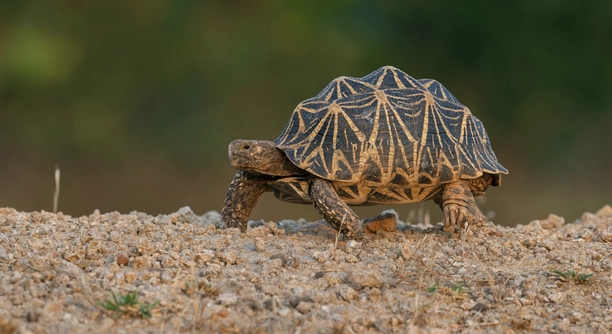
Turtles are fascinating creatures, and many people enjoy having them as pets. However, if you’ve noticed tiny cracks on your turtle’s shell, it’s important to understand what’s happening and why.
Tiny cracks on a turtle’s shell can be caused by various factors, such as poor diet, dehydration, or an injury. These cracks may also occur from environmental stressors, like sudden temperature changes or rough handling. Addressing the underlying cause is essential.
By understanding what causes these cracks, you can help prevent further damage and ensure your turtle stays healthy. We’ll explore common causes and ways to care for your turtle’s shell.
Common Causes of Cracks in Your Turtle’s Shell
There are several reasons why your turtle’s shell might develop tiny cracks. One of the most common causes is a lack of proper hydration. If your turtle isn’t getting enough water, its shell can become brittle and more likely to crack. A poor diet can also contribute, especially if your turtle isn’t getting the right balance of nutrients. A lack of calcium, in particular, can weaken the shell, making it more vulnerable to damage. Additionally, sudden changes in temperature can cause the shell to expand and contract too quickly, leading to cracks.
It’s crucial to ensure your turtle’s habitat is warm enough and that the water is clean. A consistent environment helps to maintain the health of its shell.
Another important factor to consider is the quality of your turtle’s diet. A well-rounded diet filled with fresh greens and appropriate supplements, like calcium, is key to supporting shell health. Make sure your turtle gets plenty of variety to avoid nutritional deficiencies that might cause shell problems.
How Injuries Can Lead to Shell Cracks
Even though turtles have tough shells, they can still get injured. Bumps, falls, or rough handling can cause tiny cracks to appear. Turtles may also accidentally damage their shells when they get stuck in something or when they interact with other pets. These minor injuries might not seem like a big deal, but over time, they can lead to more significant shell problems if left untreated.
If your turtle experiences an injury, it’s important to act quickly. Clean the wound gently, and keep a close eye on it. If the crack looks deep or gets infected, seeking help from a vet is the best option. An untreated injury can lead to more severe issues like infections, which can make things worse.
In some cases, shell cracks might heal on their own if the injury is minor. However, it’s always better to prevent injuries by creating a safe space for your turtle. Avoid rough handling, and make sure their living environment is free from sharp objects or obstacles that could harm them. Regular checkups are also recommended to catch any early signs of injury.
The Role of Temperature and Humidity
Temperature and humidity are essential for a turtle’s well-being. If the environment is too cold or too dry, it can cause the shell to become weak and crack. It’s important to maintain a steady temperature, ideally between 75°F and 85°F, depending on the species.
Humidity is another factor to consider, especially for aquatic turtles. If the air is too dry, it can dry out the shell and cause cracks to form. Too much moisture can also lead to shell rot. To avoid these issues, ensure proper humidity levels by using a water heater and humidity gauges.
Making sure your turtle’s habitat is properly heated and humidified is vital for its shell health. A warm and moist environment keeps the shell flexible and strong. This is especially important for young turtles, as their shells are still developing. If your turtle’s environment is too dry or too cold, it could develop tiny cracks that will worsen over time.
The Impact of Diet on Shell Health
A poor diet is a major factor in shell cracks. Turtles need a balanced diet that includes enough calcium to support their shells. If they don’t get enough calcium, their shells can become soft and brittle, making them more prone to cracks.
Calcium can be found in many turtle-safe foods, such as leafy greens, kale, and dandelion greens. Additionally, calcium supplements can help if you feel that your turtle isn’t getting enough from its food. Another important nutrient is Vitamin D3, which helps turtles absorb calcium. Without it, they might develop weak shells, making them more vulnerable to damage.
Ensuring your turtle gets the right amount of nutrients is crucial for maintaining a healthy, strong shell. Providing a variety of fresh vegetables and fruits along with proper supplements will help prevent cracks. If you’re unsure about the balance of your turtle’s diet, it’s best to consult a vet who specializes in reptiles.
How to Spot Shell Cracks Early
Checking your turtle’s shell regularly is essential for catching cracks early. Look for small, visible lines or fissures, particularly near the edges of the shell. Pay attention to any changes in texture, as well as any softness or tenderness when touched.
If you spot cracks, it’s important to monitor the condition of the shell. Minor cracks may heal on their own, but it’s always best to take action early to prevent worsening. Keep track of any changes in your turtle’s behavior or health. If the cracks seem to be spreading or deepening, consider consulting a vet for further advice.
Regular checks ensure that problems are addressed as soon as possible, helping to prevent long-term damage. It’s important to be proactive and take good care of your turtle’s shell. If the shell cracks worsen, it can cause significant health issues, including infections or deformities.
The Importance of Proper Lighting
Proper lighting is crucial for a turtle’s health. UVB light helps them synthesize vitamin D3, which is vital for calcium absorption. Without enough UVB light, a turtle may develop weak bones and shell problems. Make sure to use a proper UVB bulb in their enclosure.
Also, remember that UVB light needs to be replaced every 6-12 months to ensure its effectiveness. Turtles need exposure to this light for 10-12 hours each day to stay healthy. Without it, their shells and overall health could suffer, leading to cracks or deformities.
Preventing Further Damage to the Shell
Once cracks appear, you’ll want to avoid activities that could worsen the damage. Keep your turtle’s habitat free of sharp objects that could catch on the shell. Additionally, avoid handling your turtle too much, as this can put extra stress on the shell.
Ensure that your turtle’s living space is safe and comfortable, with no hazards that could lead to injury or shell damage. Giving your turtle a proper environment to thrive will reduce the likelihood of cracks and help prevent further harm.
FAQ
What should I do if I notice cracks on my turtle’s shell?
If you notice cracks on your turtle’s shell, the first step is to check the severity. Minor cracks may heal on their own, but it’s important to keep an eye on them. Ensure that your turtle is in a proper environment with the right humidity, temperature, and lighting. If the cracks seem deep, are spreading, or show signs of infection like swelling or discharge, consult a vet immediately. Cleaning the affected area with a mild, reptile-safe antiseptic and preventing further damage by adjusting your turtle’s habitat is also essential.
Can cracks on my turtle’s shell heal by themselves?
Yes, some small cracks can heal on their own if the turtle is in a healthy environment. However, this largely depends on the cause of the cracks and how severe they are. Keeping your turtle’s habitat stable—proper lighting, temperature, humidity, and a good diet—can support shell recovery. If the cracks worsen or show signs of infection, it’s essential to get professional help. Make sure to monitor your turtle closely for changes.
How can I prevent my turtle from getting shell cracks?
Prevention is key to ensuring your turtle’s shell remains intact. Start by maintaining a proper diet with sufficient calcium, providing UVB lighting for proper calcium absorption, and ensuring the enclosure has the right temperature and humidity levels. Additionally, avoid rough handling and keep sharp objects out of your turtle’s habitat. Regular checkups and being proactive about changes in their shell can help catch potential problems before they worsen.
Is it safe for my turtle to live in an outdoor pond?
Turtles can live in outdoor ponds, but there are several things to consider. The pond must have a safe, controlled temperature, enough basking spots, and clean water. It’s important to ensure the pond doesn’t have predators, and the turtle’s environment is protected from extreme weather conditions. If the pond is not properly maintained, your turtle may be at risk of injury, infection, or exposure to environmental stressors that can damage its shell. Regular checks and care are necessary for turtles living in outdoor ponds.
What signs should I look for to know if my turtle’s shell is infected?
Infected shells often show visible signs, such as swelling, discharge, or a change in color, usually turning darker. You might also notice a foul odor coming from the shell. If your turtle appears lethargic, stops eating, or behaves unusually, these could be indicators of an infection. Prompt treatment is critical. An untreated infection could lead to serious issues, including further damage to the shell and overall health complications. A vet’s care may include antibiotics or other treatments to address the infection.
How does a lack of calcium affect my turtle’s shell?
Calcium is essential for maintaining the strength and structure of your turtle’s shell. Without enough calcium, your turtle’s shell can become soft, brittle, and more susceptible to cracks. A calcium deficiency can also affect bone health and lead to other serious issues. To ensure your turtle gets enough calcium, feed it calcium-rich foods such as dark leafy greens, and use calcium supplements as needed. UVB lighting is also necessary for proper calcium absorption.
Can temperature fluctuations cause shell cracks?
Yes, temperature fluctuations can contribute to shell damage. When your turtle’s shell is exposed to sudden changes in temperature, it can expand or contract too quickly, causing cracks. This is especially true if the environment is too cold or too hot. Keeping a stable, controlled environment is crucial. For most turtles, the temperature should range from 75°F to 85°F. Avoid drastic changes in temperature, and make sure your turtle’s habitat is regulated with proper heating and cooling systems.
How often should I check my turtle’s shell for damage?
It’s a good idea to check your turtle’s shell regularly, at least once a week. This allows you to spot any potential issues early, such as cracks, discoloration, or signs of infection. If you notice anything unusual, such as softness or visible damage, address it immediately. Regular checks also give you an opportunity to assess the overall health of your turtle, including its diet, hydration, and behavior.
What are the best foods to help strengthen my turtle’s shell?
A well-balanced diet is key to supporting a healthy shell. Offer a variety of leafy greens like kale, dandelion greens, and collard greens. These are rich in calcium and other important nutrients. You can also feed your turtle calcium-rich foods such as cuttlebone, which helps with shell health. Additionally, provide high-quality pellets that are formulated for your turtle species, ensuring they get the proper balance of protein, fiber, and essential vitamins. Avoid overfeeding, as an unhealthy diet can lead to obesity and other health issues.
Can I use a topical treatment for my turtle’s cracked shell?
Topical treatments are generally not recommended unless advised by a vet. Some mild, reptile-safe antiseptics can be used to clean minor cracks if there is any risk of infection. However, it’s best to focus on adjusting your turtle’s environment and diet to support healing. In more severe cases, a vet may suggest specific topical treatments or even prescribe antibiotics if there is an infection. Always check with a vet before applying anything to your turtle’s shell to ensure it’s safe and appropriate.
How long does it take for a turtle’s shell to heal from cracks?
Healing time varies depending on the severity of the cracks and the turtle’s overall health. Minor cracks can take a few weeks to heal with proper care, while deeper cracks or infections may take longer and require professional intervention. The turtle’s age, diet, and environmental conditions all affect healing time. Keeping the turtle’s environment stable and providing the right nutrients can speed up the recovery process. Be patient and monitor your turtle regularly to ensure the healing process is progressing smoothly.
Final Thoughts
Taking care of a turtle’s shell is an important part of maintaining its overall health. If you notice cracks on your turtle’s shell, it’s essential to understand what might be causing the damage. Often, it’s a combination of factors like diet, environment, and even injuries that can lead to shell cracks. By making sure your turtle has a proper habitat with the right temperature, humidity, and lighting, you can help prevent many issues from occurring. Additionally, feeding your turtle a balanced diet rich in calcium will support its shell and help keep it strong.
Although small cracks may heal on their own, it’s always best to be proactive. Keeping a close eye on your turtle’s shell and behavior can help you spot any issues early. Regularly checking your turtle’s shell for changes, such as soft spots, discoloration, or visible cracks, can make a big difference in catching problems before they become serious. If you notice deeper cracks or signs of infection, it’s important to get professional help from a vet who specializes in reptiles. Timely intervention can prevent further damage and ensure your turtle’s long-term health.
Ultimately, caring for a turtle requires attention to detail and consistency. Providing a proper living environment, a balanced diet, and regular health checks will go a long way in keeping your turtle happy and healthy. Cracks in the shell might seem like a minor issue at first, but they can lead to bigger problems if not addressed. With the right care, you can help your turtle maintain a strong and healthy shell for years to come.

Hello,
If you enjoy the content that we create, please consider saying a "Thank You!" by leaving a tip.
Every little bit helps us continue crafting quality advice that supports the health, happiness, and well-being of pets around the world, for pets of all shapes, sizes, and species.
We really appreciate the kindness and support that you show us!