
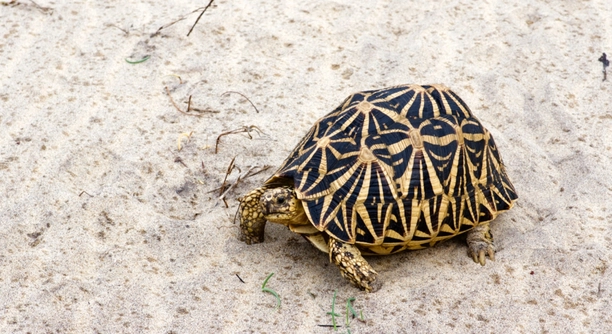
Turtles rely on warmth to stay healthy, and cold temperatures can negatively affect their well-being. It is essential to know how to recognize when your turtle is too cold to ensure they remain comfortable and active.
If your turtle is too cold, it may become lethargic, stop eating, or seek warmth in an unusual place. Low temperatures can cause stress and health problems, so maintaining the proper environment is crucial for their overall health.
Recognizing signs of cold stress is vital for preventing potential issues. By understanding the behavior of your turtle, you can help keep it healthy and active.
Understanding Cold Stress in Turtles
Cold stress in turtles occurs when they are exposed to low temperatures for extended periods. This can cause their metabolism to slow down, leading to reduced activity and a weakened immune system. Turtles are cold-blooded, meaning their body temperature matches that of their environment. If the water or air temperature drops too low, they may not be able to digest food properly or may become sluggish. In extreme cases, cold stress can result in hibernation-like symptoms, where turtles may stop moving or eating. It is important to maintain the right temperature range for your turtle to avoid these issues.
Even a small drop in temperature can affect a turtle’s behavior. They may hide in their shells or try to find warmer spots, signaling discomfort. Turtles are sensitive to these changes, and their overall health can decline if they do not receive enough warmth. It’s essential to keep their habitat within the recommended temperature range to prevent these signs of distress.
Proper temperature regulation is key to maintaining your turtle’s health. Regularly check the water and air temperature using a thermometer. Ensure that the tank has a warm spot for your turtle to bask.
How to Tell If Your Turtle Is Too Cold
If your turtle isn’t acting like its usual self, it could be a sign of cold stress. Pay attention to any changes in behavior or appetite. A turtle that is too cold might stop eating, appear lethargic, or hide more than usual.
There are several ways to prevent your turtle from getting too cold. First, ensure that the water temperature is between 72°F and 78°F, with a basking area around 85°F to 88°F. Use a water heater if necessary, and place heat lamps to create warm areas for your turtle. Check that your tank has no drafts and avoid placing it in a room that fluctuates in temperature. Turtles need consistency, and sudden temperature changes can stress them.
Maintaining a stable temperature is crucial for your turtle’s overall health. If they continue to show signs of cold stress, consider adjusting the environment or consulting a vet for further advice.
Signs of Cold Stress in Turtles
When a turtle is too cold, its movements slow down significantly. It may spend more time at the bottom of the tank, motionless or barely moving. Lack of appetite is another clear sign that it is feeling the cold.
You may also notice that your turtle is more withdrawn, hiding in its shell more frequently than usual. These behaviors are typically a reaction to the environment’s temperature. A turtle’s slow movements and decreased interest in food suggest its body is struggling to function properly due to cold stress.
Keeping an eye on these signs can help prevent further health issues. If your turtle isn’t active or is avoiding its food, consider adjusting the temperature of its habitat immediately. Cold stress can worsen if not addressed quickly, so make changes as soon as you notice the symptoms.
How Temperature Affects Your Turtle’s Digestive System
Cold temperatures can slow down your turtle’s digestive system. If the water or environment is too cold, it may not be able to process food properly. This can lead to an increase in undigested food in the turtle’s system, causing discomfort and potential health risks.
The cold affects turtles differently depending on their species. Some turtles may show more noticeable signs of slow digestion, while others may not display clear symptoms immediately. However, it’s always wise to be aware of changes in eating habits or bowel movements. In some cases, food may sit in the digestive tract for longer than usual, leading to bloating or constipation.
For turtles to properly digest their food, they need a warm environment. This is why providing a consistent temperature and monitoring their eating habits is essential. Without the right warmth, their digestion will suffer, and their overall health could be compromised.
Cold Stress and Turtle Immune System
When turtles are exposed to cold temperatures, their immune system becomes weaker. This makes them more susceptible to infections and illnesses. A drop in temperature reduces the body’s ability to fight off bacteria and viruses.
If your turtle is too cold, you might notice a decrease in its overall energy levels. It will also be more vulnerable to respiratory infections and shell rot. Without the proper warmth, its body struggles to maintain healthy functions. Keeping the tank temperature regulated is essential for supporting your turtle’s immune defenses.
A stable environment promotes a strong immune system, reducing the risk of illness.
Adjusting Your Turtle’s Habitat
Adjusting the temperature of your turtle’s habitat should be done carefully. Start by checking the current temperature using a thermometer. If it’s too cold, gradually increase the temperature to a comfortable range. This will help your turtle feel more at ease without causing sudden shock to its system.
It’s important to remember that turtles thrive in specific temperature ranges. A basking area should be slightly warmer, around 85°F to 88°F, while the water temperature should stay between 72°F and 78°F. Keeping the environment consistent will help your turtle stay active and healthy.
How Cold Affects Turtle Behavior
Cold temperatures affect how active your turtle is. It may become sluggish, refuse to eat, or even retreat into its shell more often. If these behaviors are consistent, cold stress could be the cause.
Ensuring your turtle has a warm environment will help it stay active and engaged.
FAQ
What is the ideal temperature for my turtle’s tank?
The ideal temperature for a turtle’s tank should range between 72°F and 78°F for the water. The basking area should be kept at 85°F to 88°F. These temperatures help maintain your turtle’s metabolism and overall health. Too cold or too hot of an environment can cause stress, digestive issues, and other health problems.
How can I tell if my turtle is too cold?
A cold turtle will likely become sluggish and may spend more time at the bottom of the tank or hide in its shell. It may also refuse to eat. These signs suggest that the water temperature is too low, affecting its digestion and activity levels.
Can I use a heat lamp to warm my turtle’s tank?
Yes, a heat lamp is an excellent way to create a basking area with the correct temperature. The heat lamp should be placed over a specific area of the tank, allowing your turtle to regulate its body temperature by moving between warmer and cooler spots. Be sure to monitor the temperature regularly.
How do I check the temperature in my turtle’s tank?
Use an aquarium thermometer to check both the water and air temperatures. Stick-on thermometers are simple and effective for monitoring the water, while digital thermometers can give more precise readings. It’s best to check the temperature in multiple spots to ensure consistency throughout the tank.
Can my turtle survive in colder water?
Turtles can survive in colder water for short periods, but prolonged exposure can lead to cold stress and health issues. Some species of turtles are more tolerant of colder temperatures, but it’s always safer to maintain a stable, warm environment. Cold water slows down their metabolism, making them more vulnerable to illnesses.
What should I do if my turtle is too cold?
If your turtle is too cold, immediately adjust the water temperature to a comfortable level. Gradually increase the warmth to avoid shocking the turtle. Make sure the basking area is at the correct temperature, and monitor your turtle’s behavior closely. If it doesn’t improve, consider consulting a vet.
Is it normal for my turtle to stop eating in cold weather?
Yes, it’s normal for turtles to stop eating when the temperature is too cold. Cold temperatures slow down their metabolism, making them less hungry or even lethargic. Once the environment is warmed up, your turtle’s appetite should return. If your turtle refuses to eat for extended periods, consult a veterinarian.
How can I keep my turtle warm in winter?
During winter, place your turtle’s tank in a warmer room away from drafts. Use a reliable water heater to maintain a consistent temperature. A heat lamp will help create a basking area where your turtle can warm up. Make sure the entire environment stays within the recommended temperature range.
Can cold temperatures cause respiratory infections in turtles?
Yes, cold temperatures can make your turtle more susceptible to respiratory infections. If the tank is too cold, your turtle’s immune system weakens, and its ability to fight off infections diminishes. Keeping the tank warm and stable reduces this risk. If you notice coughing, wheezing, or discharge from the nose, consult a vet.
What if my turtle refuses to bask?
If your turtle refuses to bask, it could be a sign that the basking area is too cold or too hot. Make sure the temperature in the basking area is in the correct range of 85°F to 88°F. Additionally, if your turtle is stressed, it may also avoid basking. Ensure the tank’s environment is calm and stable.
Why is my turtle spending too much time underwater?
If your turtle is spending too much time underwater, it may be trying to regulate its body temperature by staying in cooler water. This behavior often happens when the basking area isn’t warm enough. Ensure your turtle has easy access to a basking spot that provides adequate warmth.
How can I prevent my turtle from getting cold stress?
To prevent cold stress, make sure your turtle’s tank stays within the ideal temperature range. Invest in a reliable water heater and thermometer to maintain the temperature. Make adjustments gradually, and avoid sudden changes. Keeping the basking area warm and ensuring the room temperature remains stable is also essential.
Final Thoughts
Maintaining the right temperature for your turtle is crucial for its overall well-being. Cold stress can weaken its immune system, making it more prone to illnesses. Turtles are ectothermic, meaning they rely on external temperatures to regulate their body heat. A tank that is too cold will slow down their metabolism and lead to a decrease in energy, appetite, and activity. This is why it’s essential to monitor both the water and basking area temperatures regularly to ensure they stay within the optimal range.
By providing a stable environment, you can help your turtle remain healthy and active. Investing in a good quality water heater and thermometer will make it easier to control the temperature. Additionally, using a heat lamp will provide the necessary warmth in the basking area. A consistent temperature is key, as sudden drops can cause stress and even make your turtle more vulnerable to infections. Proper care also includes ensuring that the water quality remains good and that your turtle has a balanced diet to support its health.
Taking these steps will help your turtle thrive in a safe, warm environment. Whether it’s adjusting the temperature or checking your turtle’s behavior, it’s important to be attentive to its needs. A well-maintained tank not only keeps your turtle comfortable but also prevents the long-term effects of cold stress. Keep your turtle’s environment warm, stable, and clean, and your pet will remain active and healthy for years to come.

Hello,
If you enjoy the content that we create, please consider saying a "Thank You!" by leaving a tip.
Every little bit helps us continue crafting quality advice that supports the health, happiness, and well-being of pets around the world, for pets of all shapes, sizes, and species.
We really appreciate the kindness and support that you show us!