
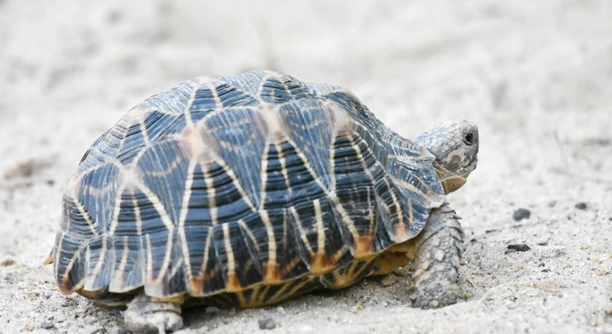
Turtles are fascinating creatures, often exhibiting unique behaviors. One such behavior that may catch your attention is the hissing noise your turtle makes when it moves. Understanding the reasons behind this sound is important for your pet’s well-being.
The hissing sound that a turtle makes when moving is typically due to air being released from its body. This may occur as the turtle’s shell rubs against its body, or due to the exhalation of air from its lungs.
Knowing why your turtle makes this noise can help you assess its health. This guide will help you understand what could be causing the sound and how to ensure your turtle is comfortable.
Why Does My Turtle Make a Hissing Noise When It Moves?
A turtle making a hissing noise while moving is often a normal part of its behavior. This sound typically comes from the air being pushed out of its body, either through its lungs or between the shell and its body. When the turtle moves, the pressure on its lungs can cause it to exhale forcefully, which results in the hissing sound. Another possible reason is when the turtle is retracting its head or legs into its shell, which can create a vacuum-like effect, releasing air. This behavior is commonly observed in many species, especially in water turtles. While the sound may seem unusual, it is not usually a sign of distress.
The sound may also vary based on the size of the turtle and the environment in which it lives. Some turtles may hiss more loudly when they are in a more confined or stressed space. However, this behavior does not typically pose a risk to your turtle’s health and can be a natural part of their movement.
It’s important to observe other aspects of your turtle’s health to make sure everything is functioning properly. If your turtle appears to be in pain or shows signs of distress such as refusal to eat or lethargy, it may indicate an underlying issue that requires attention. Always ensure your turtle has the right habitat and enough space to move around comfortably.
What Should You Do About It?
While the hissing sound is generally harmless, it’s still important to monitor your turtle’s overall health. If you notice any other signs of concern, such as changes in behavior or physical condition, it’s best to consult a veterinarian.
Turtles are resilient creatures, but they require a specific environment to stay healthy. Factors such as temperature, humidity, and diet all contribute to their well-being. A well-maintained enclosure and routine checks will help keep your turtle comfortable. If you ever notice any drastic changes in your turtle’s behavior or health, seeking professional advice can ensure they continue to thrive.
Is the Hissing Sound a Sign of Health Issues?
Hissing sounds in turtles are mostly harmless, but they can sometimes indicate an issue. If your turtle is also showing signs of discomfort, such as difficulty moving, or swelling, it might need a check-up.
Turtles can develop respiratory infections or shell problems, which may cause them to make unusual sounds while moving. If the hissing noise is persistent or accompanied by other symptoms like labored breathing or changes in appetite, it’s essential to consult a vet. Respiratory infections, in particular, can be dangerous if not addressed early. Turtles are vulnerable to respiratory issues, especially if they are kept in cold or damp environments. Ensuring proper temperature and humidity levels in your turtle’s habitat can help prevent these conditions.
If your turtle’s movements seem limited or it is having difficulty retracting its head into the shell, the cause could be related to its shell condition. Shell problems can lead to discomfort and affect its ability to move freely. Monitoring your turtle’s behavior and shell health regularly will help identify any issues early.
How to Care for Your Turtle’s Health
Maintaining the right environment is critical to preventing any health issues. A turtle’s enclosure should have proper lighting, heating, and humidity. The temperature in the basking area should be warm enough to encourage healthy digestion and activity.
Regular check-ups with a veterinarian can also help spot any underlying health issues before they become serious. Shell and skin care are crucial as well, as problems here can cause discomfort and unusual sounds. A balanced diet rich in calcium and vitamins will support your turtle’s overall health, ensuring strong bones and a well-maintained shell. Providing your turtle with a clean environment and appropriate food can prevent many health problems.
Is My Turtle Hissing Due to Stress?
Stress can also be a factor behind the hissing noise. If your turtle feels threatened or uncomfortable, it may release air as a way to defend itself. This can happen when it is exposed to unfamiliar situations.
If you’ve recently moved your turtle’s enclosure or introduced other animals, it might be feeling anxious. Stress can cause turtles to behave differently, including making hissing sounds when they move or retract into their shells. Make sure your turtle’s environment is calm, quiet, and free from sudden changes. Additionally, avoid handling your turtle too often, as this can contribute to stress. Stressful conditions can also impact its overall health, making it more vulnerable to illnesses.
How to Minimize Stress in Your Turtle
Creating a consistent environment with minimal disruptions is key to reducing stress. Keep your turtle’s habitat stable by avoiding rapid temperature changes or unnecessary noise. Providing hiding spots and creating areas where your turtle can feel secure will help it stay calm.
A routine feeding schedule and limited handling will also help minimize stress. If you’ve recently introduced other pets to the environment, monitor interactions carefully to avoid causing unnecessary anxiety. Always ensure your turtle has ample space to roam and explore, as overcrowding can also lead to stress and discomfort.
How Temperature Affects the Hissing Sound
Temperature plays a significant role in your turtle’s behavior. If the environment is too cold or too hot, your turtle might make more hissing noises as it struggles to adjust. Maintaining a proper temperature range is crucial for your turtle’s comfort.
FAQ
Why does my turtle make a hissing noise when it moves?
The hissing noise a turtle makes when it moves is often due to air being pushed out from its lungs or body. This typically happens when the turtle moves or retracts its head or limbs into its shell. It may also occur when the shell rubs against the body. This sound is generally harmless and part of their natural behavior.
Is it normal for my turtle to hiss loudly?
Loud hissing is normal for some turtles, especially when they are retracting their heads or legs into their shells. However, the volume of the hiss can vary between individuals, and some turtles naturally make louder sounds than others. If the sound is persistent and accompanied by other signs like difficulty breathing, it may be a sign of a health issue, such as a respiratory infection, which requires attention.
Can stress cause a turtle to hiss?
Yes, stress can lead to hissing. When a turtle feels threatened or uncomfortable, it may exhale air as a defense mechanism. This can happen when the turtle is exposed to a new environment, another pet, or frequent handling. Stressful conditions can affect their behavior, including causing them to hiss more often.
What should I do if my turtle’s hissing sounds different from usual?
If the hissing sound changes or becomes more intense, it’s important to consider possible underlying health issues. Look for other signs of discomfort, such as lethargy, loss of appetite, or difficulty moving. If these symptoms appear, it’s best to have your turtle checked by a veterinarian to rule out infections or shell issues.
How do I know if my turtle is hissing due to a respiratory infection?
A respiratory infection can cause a turtle to make unusual hissing or wheezing noises when breathing. Other symptoms of a respiratory infection include labored breathing, mucus around the nostrils, swollen eyes, and lethargy. If you notice any of these signs, it’s crucial to seek veterinary care immediately.
What temperature should my turtle’s habitat be to prevent hissing?
Turtles require specific temperature ranges to stay healthy. The basking area should be around 85-90°F (29-32°C), while the cooler area should range from 75-80°F (24-27°C). Improper temperatures can cause discomfort, leading to more hissing or other abnormal behaviors. Ensuring the proper temperature and humidity levels in the habitat will keep your turtle comfortable and help reduce unnecessary stress.
Can poor diet cause hissing in turtles?
A poor diet can contribute to health problems in turtles, but it is not directly linked to hissing. However, if your turtle is not getting the right nutrients, it may become weak or sick, which could affect its behavior, including respiratory health. A balanced diet with proper calcium and vitamin supplementation is essential for a healthy turtle.
What should I do if my turtle is making a hissing noise and acting lethargic?
Lethargy and persistent hissing could be signs of illness. It’s important to check if your turtle is eating properly, has clear eyes, and is moving as usual. If it seems sluggish, has trouble breathing, or shows other signs of illness, contact a veterinarian for proper diagnosis and treatment.
How can I reduce stress in my turtle’s environment?
To reduce stress, maintain a stable environment for your turtle. This means keeping the temperature and humidity consistent and providing plenty of hiding spots. Avoid sudden changes in the environment, such as moving the tank or adding new pets. Limit handling and make sure your turtle has enough space to roam freely.
Do all turtles hiss, or is it just certain types?
Not all turtles hiss, but many species do. Aquatic and semi-aquatic turtles are more likely to produce hissing sounds due to their movement and the air they expel. The frequency and intensity of hissing can vary based on the species, individual behavior, and environmental factors. While hissing is common in some types of turtles, others may not make this noise at all.
Can hissing be a sign of aggression in turtles?
Hissing can be a sign of aggression, but it’s not always the case. Some turtles hiss as a defensive mechanism rather than showing aggression. When feeling threatened or cornered, they may exhale air as a warning. However, if your turtle hisses and attempts to bite or retreat into its shell, it could be a sign of aggression or fear.
Should I handle my turtle if it’s hissing?
If your turtle is hissing, it’s a good idea to limit handling. It may be a sign that the turtle feels threatened or stressed. Give your turtle space to adjust to its environment and feel secure. Only handle your turtle when necessary, and do so gently to avoid increasing its stress levels.
Can I reduce the hissing sound by changing my turtle’s habitat?
Yes, you can help reduce hissing by creating a more comfortable habitat. Ensure your turtle’s environment is clean, spacious, and well-maintained. Having the proper temperature, humidity, and lighting will promote a calm atmosphere. Avoid overcrowding the tank, and provide hiding spots where the turtle can retreat if it feels insecure.
How do I know if my turtle’s hissing is due to a shell issue?
If your turtle is having difficulty moving or retracting its limbs into its shell, there may be an issue with its shell, such as shell rot or deformities. This can cause discomfort and result in unusual sounds, including hissing. Regular shell inspections can help you spot early signs of shell damage or infections. If you notice any issues, seek veterinary care immediately.
Are there any long-term effects of frequent hissing in turtles?
Frequent hissing is not typically harmful in itself, but it may indicate an underlying health issue, such as stress or a respiratory infection. If left unaddressed, these issues could lead to more serious problems, including compromised immune function or permanent damage. Regular veterinary check-ups and proper care will prevent long-term effects.
Final Thoughts
Understanding why your turtle makes a hissing noise is essential for ensuring its health and well-being. While this noise is typically a natural part of their behavior, it can sometimes signal a more significant issue. Turtles hiss when they retract their heads or limbs into their shells, releasing air in the process. This behavior is often harmless and simply a response to movement. However, it’s important to pay attention to the frequency and intensity of the sound, as changes could indicate stress, discomfort, or even health problems.
If your turtle’s hissing sounds change or become more frequent, it’s crucial to observe other signs of potential issues. For example, if the hissing is accompanied by labored breathing, lethargy, or mucus around the nostrils, it may suggest a respiratory infection. In such cases, seeking veterinary care immediately is recommended. Similarly, if the hissing seems to stem from stress, it might be helpful to evaluate its living environment. Providing a consistent temperature, clean water, and appropriate hiding spaces can reduce stress and prevent unnecessary hissing.
By being aware of the possible causes of hissing in turtles, you can address any concerns before they become serious health issues. It’s important to remember that some hissing is simply part of their natural behavior, but paying close attention to other symptoms will help you take quick action if needed. Regular veterinary check-ups, proper care, and a stress-free environment will ensure your turtle stays healthy and happy.

Hello,
If you enjoy the content that we create, please consider saying a "Thank You!" by leaving a tip.
Every little bit helps us continue crafting quality advice that supports the health, happiness, and well-being of pets around the world, for pets of all shapes, sizes, and species.
We really appreciate the kindness and support that you show us!