
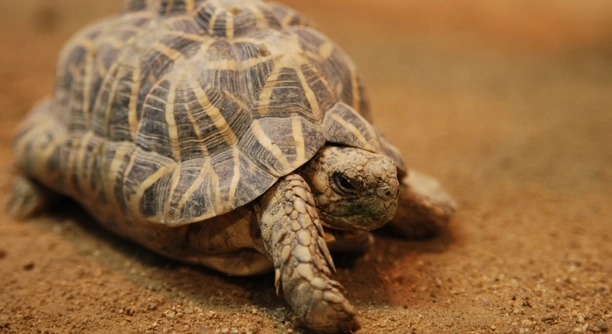
Turtles are known for their hard shells, but what if you notice soft spots developing? This issue can be worrying and may indicate an underlying problem. Understanding the causes can help you address it quickly.
The most common cause of soft spots in a turtle’s shell is poor nutrition, specifically calcium deficiency. Inadequate lighting and improper habitat conditions can also contribute to this issue. Providing proper diet and care is essential for maintaining shell health.
Taking the right steps can improve your turtle’s health and prevent further shell issues.
Common Causes of Soft Spots in Turtle Shells
Soft spots on a turtle’s shell are often linked to poor diet and inadequate care. Calcium deficiency is the primary cause, as it weakens the shell, making it more vulnerable to damage. Turtles need a consistent source of calcium to maintain strong shells, which can be provided through proper feeding and supplements. A lack of UVB light is another contributing factor. UVB light helps turtles synthesize vitamin D3, which is crucial for calcium absorption. Without it, they may develop soft spots on their shells. Inadequate habitat conditions, such as low humidity or poor water quality, also weaken the shell over time. Regularly checking the environment and diet ensures that these issues are addressed before they become serious health problems.
Sometimes, soft spots are noticed early on and can be treated with small adjustments. However, if not addressed promptly, the condition may worsen, leading to more serious consequences.
How to Prevent Soft Spots from Developing
The best way to prevent soft spots is by ensuring proper care and nutrition. This includes providing a balanced diet that includes enough calcium, UVB light, and a clean living environment.
Turtles require a specialized diet with foods rich in calcium to prevent shell issues. Dark leafy greens, such as kale and collard greens, along with high-quality commercial turtle food, should be included in their diet. You can also offer calcium supplements to ensure they get enough of this important mineral. Be sure to provide access to UVB lighting for at least 10-12 hours a day. This will allow your turtle to produce vitamin D3 and absorb calcium more effectively. Finally, maintaining a clean, safe environment is crucial. Regular water changes and monitoring temperature and humidity levels help reduce stress and prevent shell problems.
Identifying Soft Spots on Your Turtle’s Shell
Soft spots on a turtle’s shell may initially appear as slight indentations or areas that feel unusually soft. If your turtle’s shell feels squishy or has dents that weren’t there before, it’s a sign of a potential issue. This can affect your turtle’s overall health.
The softening of the shell is often first noticed around the edges or in isolated patches. These areas may not always be visible but can be detected by gently pressing the shell. If it feels soft to the touch, it could be an indication that the turtle’s calcium levels are low. Without the proper nutrients and environmental conditions, these areas may become more pronounced. Regularly checking the shell is key to catching any changes early.
Sometimes, the soft spots may not immediately seem severe, but without intervention, they can worsen over time. It’s crucial to catch this issue early to prevent further damage to the shell, which can lead to infections and other health concerns.
How Habitat Affects Shell Health
The right habitat is essential for a turtle’s shell health. Turtles need a warm, clean, and properly lit environment to thrive. If your turtle’s habitat is too cold, too dirty, or lacks proper lighting, it can lead to weakened shells. Keeping the tank clean and ensuring the correct temperatures will help maintain a healthy shell.
Proper lighting is especially important. Turtles need UVB light to help their bodies absorb calcium, which strengthens the shell. Without UVB light, calcium from food may not be properly utilized, leading to soft spots. In addition, the water temperature should be within the appropriate range. Too cold of water can cause stress, affecting overall health, including shell integrity. A warm, clean, and well-lit environment promotes overall health and prevents shell problems. This ensures your turtle has the conditions it needs to stay strong and healthy.
The Role of Diet in Shell Health
A proper diet is key to preventing soft spots on a turtle’s shell. A lack of calcium and other essential nutrients can lead to weakened shells. Turtles need foods rich in calcium, such as dark leafy greens, to maintain shell health and strength.
In addition to greens, turtles benefit from commercially prepared foods designed to provide a balanced diet. Calcium supplements may also be needed to ensure they are receiving enough of this vital nutrient. It’s important to offer a variety of foods to meet all nutritional needs. Poor diet can quickly affect the integrity of your turtle’s shell.
Supplementing Your Turtle’s Diet
Supplements are helpful if your turtle’s diet does not provide enough calcium. Calcium carbonate or calcium citrate are commonly recommended. Make sure to follow the proper dosage based on the turtle’s size and age. Too much calcium can also cause health problems, so moderation is important.
Regularly assessing your turtle’s diet ensures that it receives all the nutrients needed to avoid shell issues. Proper calcium intake, along with other vitamins and minerals, can significantly improve shell health. Providing supplements may prevent calcium deficiency, keeping your turtle’s shell strong and healthy.
Water Quality and Shell Health
Poor water quality can contribute to shell problems in turtles. Keeping the water clean helps maintain overall health, preventing the buildup of harmful bacteria or algae that can cause shell infections. Regular water changes and filtration are essential for turtle care.
FAQ
What are the signs that my turtle has a soft shell?
The first sign of a soft shell is a noticeable softening of the shell’s surface. It may feel squishy or show indentations. If these spots are present, it indicates that the shell has lost its firmness. Early detection is crucial, as the condition may worsen if not addressed. You might also notice that the turtle’s shell appears misshapen or thinner than usual.
How can I improve my turtle’s diet to prevent soft spots?
Providing a balanced diet is the key to preventing soft spots. Include calcium-rich foods like leafy greens, such as kale and collard greens, in their meals. You can also offer commercial turtle food that contains the necessary nutrients for strong shells. Adding calcium supplements can further help to prevent deficiencies. It’s important to vary their diet and avoid overfeeding one type of food.
Is UVB light necessary for my turtle’s shell health?
Yes, UVB light is essential for your turtle’s shell health. Turtles require UVB rays to produce vitamin D3, which is necessary for proper calcium absorption. Without UVB light, the calcium your turtle consumes may not be absorbed effectively, leading to a weakened shell. Ensure the light is on for at least 10 to 12 hours daily to maintain proper shell health.
Can poor water quality affect my turtle’s shell?
Yes, poor water quality can contribute to shell problems. Dirty water may harbor bacteria or algae, which can cause infections or irritations that weaken the shell. Regular water changes and proper filtration help maintain clean water, which is crucial for your turtle’s overall health. Clean water also reduces the risk of shell rot, a condition that can result from prolonged exposure to contaminated water.
What temperature should my turtle’s habitat be?
Maintaining the correct temperature is essential for your turtle’s well-being. The water temperature should generally range from 75°F to 80°F, while the basking area should be around 85°F to 90°F. Proper heating encourages your turtle to stay active and healthy. If the water is too cold, your turtle’s metabolism slows down, and the shell can become more vulnerable.
How often should I check my turtle’s shell for soft spots?
Regular shell checks are important to detect soft spots early. It’s recommended to inspect your turtle’s shell at least once a week. Look for any changes in texture, such as soft or squishy spots, or any visible cracks. Early detection helps prevent further deterioration and ensures that your turtle gets the necessary care.
Can stress cause soft spots on my turtle’s shell?
Yes, stress can negatively affect your turtle’s health, including the condition of its shell. Stress factors such as improper temperature, overcrowded conditions, or poor water quality can weaken the immune system and make your turtle more susceptible to shell problems. Ensuring a calm and stable environment is essential to your turtle’s overall health.
How long does it take for a turtle’s shell to recover from soft spots?
The recovery time depends on the severity of the soft spots and how quickly the issue is addressed. If the soft spots are detected early and proper care is provided, improvement can often be seen in a few weeks to months. However, more severe cases may take longer. Consistency in diet, UVB lighting, and water quality is crucial for recovery.
Can I use any calcium supplement for my turtle?
It’s best to use calcium supplements specifically designed for reptiles. These supplements are formulated to meet the needs of turtles. Calcium carbonate or calcium citrate are commonly recommended. Always follow the recommended dosage based on your turtle’s size. Too much calcium can cause imbalances, so moderation is key.
What should I do if my turtle’s shell is severely soft?
If your turtle’s shell is severely soft or showing signs of damage, consult a veterinarian immediately. Severe softening can lead to infections or permanent damage if left untreated. A vet can provide appropriate treatments, such as specialized diets, calcium injections, or other medical interventions, depending on the severity of the condition.
Can soft spots on a turtle’s shell be reversed?
In many cases, soft spots can be reversed if caught early and proper care is implemented. With a balanced diet, UVB light, and a clean habitat, your turtle’s shell can regain its strength. However, if the condition is left untreated for too long, it can lead to permanent damage, making recovery more difficult.
Final Thoughts
A turtle’s shell is a critical part of its overall health, and maintaining its strength is essential for its well-being. Soft spots on a turtle’s shell are often a sign of calcium deficiency, poor diet, or improper care. Addressing these issues early on can prevent more serious complications. Proper nutrition, including calcium-rich foods and supplements, is necessary to support shell development. Additionally, ensuring your turtle has access to UVB light helps it absorb the calcium effectively, supporting strong bone structure and shell health. Keeping your turtle’s living environment clean and at the right temperature will also reduce the risk of shell problems.
While soft spots can be alarming, they are preventable with the right care. Regularly checking your turtle’s shell and overall health will help you spot any changes early. If soft spots are detected, adjusting its diet and environment can often lead to improvement. However, severe cases may require veterinary attention, especially if there are signs of infection or long-term damage. A proactive approach to your turtle’s health, including proper lighting, water quality, and diet, will go a long way in ensuring that its shell remains strong and healthy.
Taking care of a turtle involves more than just feeding it; it requires creating a balanced and stable environment. By focusing on nutrition, proper lighting, and water care, you provide your turtle with the best chance for a healthy, resilient shell. Understanding these factors and how they impact your turtle’s shell health will allow you to respond quickly to any changes. Regular maintenance of your turtle’s habitat, along with attention to its diet and lighting, will help keep soft spots at bay and ensure your turtle thrives.

Hello,
If you enjoy the content that we create, please consider saying a "Thank You!" by leaving a tip.
Every little bit helps us continue crafting quality advice that supports the health, happiness, and well-being of pets around the world, for pets of all shapes, sizes, and species.
We really appreciate the kindness and support that you show us!