
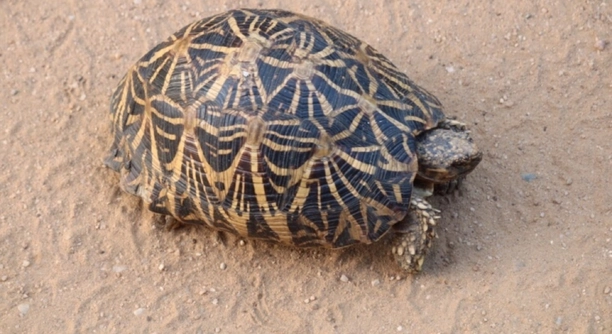
Turtles, like other pets, can suffer from pain or discomfort, but they may not always show it clearly. Recognizing signs of pain can help ensure they receive the care they need for a happy life.
Turtles exhibit various signs when they are in pain, such as changes in behavior, refusal to eat, and limping. Observing these signs carefully is crucial for early intervention. Seeking veterinary advice is recommended to address potential health issues.
Noticing these signs early can help you take steps to address your turtle’s health and well-being.
Lack of Appetite or Changes in Eating Habits
A turtle’s refusal to eat or changes in its eating habits can be a clear indicator that something is wrong. If your turtle isn’t eating, it might be in pain or experiencing discomfort. In the wild, turtles are constantly foraging for food, so a sudden change in appetite should not be ignored.
Pain can affect a turtle’s desire to eat, especially if it is dealing with an injury or internal issue. It’s important to observe their behavior and look for other signs of discomfort. Turtles are often more sensitive to changes in their environment and health.
If your turtle is eating less or refusing food, consider the possibility of pain or stress. A visit to the vet can help identify the underlying cause and ensure proper treatment. The sooner you address the issue, the better your turtle’s chance of recovery.
Changes in Movement or Activity
If your turtle is moving slower than usual or avoiding movement, it could be a sign of pain. Turtles are generally active animals, and any significant reduction in activity should be closely monitored.
A turtle in pain may try to avoid certain movements that cause discomfort, such as walking or swimming. This behavior is especially noticeable if they are normally active but suddenly seem lethargic or reluctant to move.
If you notice these signs, it’s important to assess the situation and ensure your turtle’s habitat is comfortable. Look for any possible injuries, like scratches or swelling, that could be causing the pain. A proper diagnosis is essential for treating the pain and preventing further discomfort.
Swelling or Unusual Bumps
Swelling or bumps on your turtle’s body can be a sign of injury or infection. If you notice any abnormal growths, it’s important to act quickly.
Painful areas can result from infections, shell injuries, or internal problems. Swelling around the legs, neck, or shell may indicate an issue. Make sure to monitor your turtle for any signs of distress or changes in behavior that accompany these bumps.
Prompt attention to swelling can prevent serious complications. If you see any unusual bumps or swelling, take your turtle to the vet for a thorough examination. Treatment may include antibiotics or other interventions depending on the diagnosis.
Changes in Breathing Patterns
A turtle in pain may show signs of breathing irregularities. If you notice rapid, shallow, or labored breathing, this could indicate discomfort or distress.
When a turtle is in pain, it may struggle to breathe normally. This can be linked to respiratory infections, injuries, or internal issues causing stress. If breathing patterns are altered, it’s important to consult a veterinarian.
Pay attention to your turtle’s overall health and behavior. Difficulty breathing, combined with other symptoms like lethargy or loss of appetite, can be a sign that immediate care is needed. Early intervention can help prevent further complications and ensure your turtle’s well-being.
Abnormal Shell Appearance
A turtle’s shell should have a smooth, hard texture. If you notice any soft spots, discoloration, or cracks, it could be a sign of an injury or infection.
The shell is a vital part of a turtle’s health. Soft or damaged spots may cause pain, affecting your turtle’s mobility. If left untreated, shell damage can lead to serious health issues.
Taking quick action when you see changes in your turtle’s shell can prevent further damage. It’s important to take your turtle to a vet for an evaluation, especially if you notice softening or deformities that indicate underlying health problems.
Behavioral Changes
Behavioral changes like aggression, hiding, or irritability are often signs that something is wrong. If your normally calm turtle is acting aggressively or avoiding interaction, pain could be the cause.
Turtles may also hide more than usual or become less active when they feel discomfort. They may not want to interact or will seek out darker, more secluded areas in their habitat. These changes should not be overlooked.
A sudden shift in behavior should be addressed promptly. It’s important to identify the underlying cause of these changes, which could be related to physical pain, stress, or illness. A veterinarian’s help can guide you toward the right treatment.
FAQ
What are the signs that my turtle is in pain?
Pain in turtles can show through several signs, such as reduced movement, swelling, or a lack of appetite. If your turtle is not eating or moving around as usual, it might be experiencing discomfort. Additionally, check for unusual bumps, swelling, or shell deformities that could indicate an injury or infection. If your turtle is hiding more than usual or acting more irritable, it may also be in pain.
How can I tell if my turtle’s shell is injured?
A healthy shell is hard and smooth, with no soft spots or cracks. If you notice any damage, such as soft areas, cracks, or swelling, your turtle might be injured. Infections and trauma can lead to shell issues, and these should not be ignored. Regularly inspecting your turtle’s shell is important for identifying problems early. If you spot any abnormalities, visit a vet to prevent further damage.
Should I worry if my turtle isn’t eating?
Turtles are known to be good eaters, so a sudden loss of appetite is a cause for concern. This could be a sign of pain, stress, or illness. Keep an eye out for other symptoms like lethargy, abnormal behavior, or swelling. A lack of appetite in turtles often indicates that something is wrong, and you should seek professional help to address the issue.
What does it mean if my turtle is breathing abnormally?
Abnormal breathing in turtles can indicate serious health issues, such as respiratory infections or internal pain. If your turtle is breathing rapidly or with difficulty, this could be a sign of distress. It’s important to pay attention to any changes in your turtle’s breathing patterns and seek veterinary care immediately if you notice irregularities. Early treatment can help prevent serious complications.
Can a turtle get infections in its shell?
Yes, turtles can develop infections in their shells, particularly if the shell is damaged or weakened. These infections can result from poor water quality, physical injury, or an untreated wound. Symptoms may include swelling, unusual growths, or changes in the shell’s appearance. If you suspect an infection, it’s essential to consult a vet for proper treatment.
What should I do if my turtle is hiding more than usual?
Turtles hide when they are stressed, unwell, or in pain. If your turtle is hiding more frequently, it may be a sign that it is feeling uncomfortable. Look for other signs of pain or distress, such as loss of appetite or changes in behavior. If these behaviors persist, a visit to the vet can help determine the underlying cause.
Can stress cause pain in turtles?
Yes, stress can lead to physical pain in turtles. Stress may arise from changes in the environment, improper handling, or poor water quality. When stressed, turtles may become more susceptible to infections or injuries. Reducing stressors and maintaining a stable environment can help prevent health issues and minimize pain.
How long should I wait before taking my turtle to the vet?
If your turtle shows any signs of pain, injury, or illness, it’s best to take it to the vet as soon as possible. Delaying a vet visit can lead to further complications. Early detection and treatment can improve your turtle’s chances of recovery and prevent worsening conditions.
Can turtles recover from shell injuries?
Turtles can recover from shell injuries, but it depends on the severity. Minor scratches or cracks may heal on their own, but deeper or more serious damage requires veterinary intervention. If your turtle’s shell has significant damage or infection, a vet can guide you on the best course of treatment to promote healing.
What kind of habitat is best for preventing pain in turtles?
To keep your turtle healthy and reduce the risk of pain, provide a clean, spacious, and well-maintained habitat. This includes proper water filtration, temperature regulation, and UV light exposure. A safe, stress-free environment can prevent health issues that may cause discomfort or pain. Regularly clean your turtle’s enclosure and monitor water quality to keep it in optimal condition.
Final Thoughts
Recognizing when a turtle is in pain is crucial for ensuring its well-being. Turtles, like any other pet, rely on their owners for proper care and attention. It is important to be aware of subtle signs that may indicate discomfort, such as changes in behavior, appetite, or physical appearance. A turtle that is not eating, hiding more often, or showing signs of swelling may be dealing with an injury or illness. Being observant of these signs allows you to take appropriate action quickly, preventing further complications.
Proper habitat maintenance plays a significant role in preventing pain and discomfort in turtles. A clean, well-regulated environment reduces the chances of infections, injuries, and stress, which can all lead to pain. Regular checks on the water quality, temperature, and lighting in the enclosure help keep the turtle comfortable and healthy. Ensuring your turtle’s environment is safe and stable minimizes the risk of health issues that might cause pain. Keeping the enclosure clean and providing fresh food and water also contributes to their overall comfort.
When in doubt, seeking veterinary care is always the best course of action. Turtles often hide their pain, making it difficult to spot problems early. If you notice any signs of distress, such as abnormal breathing, swelling, or behavioral changes, it’s important to consult a vet. Early intervention can help prevent long-term damage and allow your turtle to recover more effectively. A veterinarian will provide guidance on treatment options and help manage any conditions causing pain. Taking prompt action is essential in keeping your turtle healthy and ensuring its long-term well-being.

Hello,
If you enjoy the content that we create, please consider saying a "Thank You!" by leaving a tip.
Every little bit helps us continue crafting quality advice that supports the health, happiness, and well-being of pets around the world, for pets of all shapes, sizes, and species.
We really appreciate the kindness and support that you show us!