
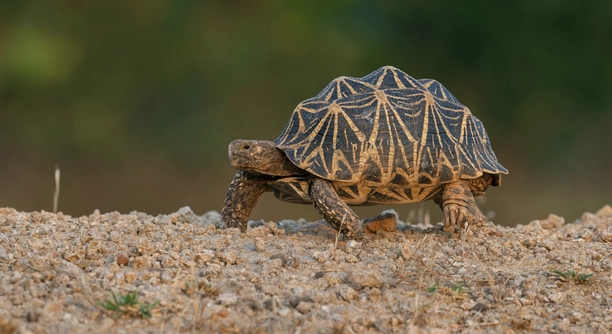
Turtles are amazing pets, and setting up the perfect tank environment for them is key to their well-being. One of the important decisions to make is choosing the right sand for their habitat. The sand you choose can affect the tank’s aesthetic and your turtle’s health.
The best types of sand for turtle tanks should be safe, non-toxic, and easy to maintain. Some options also help maintain water quality and mimic a more natural environment for the turtle. Choosing the right sand is essential for turtle care.
Choosing the perfect sand for your turtle tank is an important task. It involves factors such as texture, safety, and ease of cleaning to ensure your turtle’s environment is both comfortable and functional.
1. Understanding the Importance of Sand for Turtle Tanks
Choosing the right sand is essential for your turtle’s tank. The sand will not only affect the look of the tank, but it also plays a role in their overall health. Poorly selected sand could lead to problems like digestive issues or an unsanitary environment. You should always look for sand that mimics their natural habitat, making the turtles feel more comfortable. It’s important to remember that some types of sand can easily get stuck in a turtle’s digestive system if they ingest it, which can cause harm. A clean and safe substrate encourages a more active and healthy lifestyle for your turtle.
The right sand can help maintain the water quality, prevent infections, and provide a natural environment for your turtle. Choosing sand that is both safe and easy to clean is vital for your turtle’s well-being. Keep your tank tidy, and the turtles will thrive.
When selecting sand, make sure it’s not too fine, as it can turn into sludge when wet. Coarse sand is usually a better option since it won’t get stuck in your turtle’s digestive tract. Additionally, look for sand that’s free from chemicals and harmful additives.
2. The Best Types of Sand for Turtle Tanks
One of the best options is washed river sand. It’s coarse and safe for turtles, making it easy for them to roam around. This type of sand is also natural and doesn’t contain any harmful substances. It has a more textured surface, which reduces the chances of your turtle ingesting it. River sand helps maintain a clean environment when regularly washed and changed.
River sand is a great choice for most turtle tanks. It is natural and safe for your pet. When cleaned regularly, it can maintain water clarity and promote a healthy tank environment. Consider this option when selecting sand for your turtle tank.
Another good choice is play sand, commonly found in children’s sandboxes. This sand is smooth and easy for your turtle to move through. However, be sure it’s not chemically treated. Play sand is relatively inexpensive, and it helps your turtle create natural burrows. It’s ideal for species that enjoy digging, as it provides them with a comfortable texture. Be mindful that play sand may need to be replaced more frequently due to its fine consistency.
3. The Pros and Cons of Using Sand in Turtle Tanks
Sand can create a natural environment, but it does come with its downsides. It’s essential to be aware of how it impacts water quality and how often it needs cleaning. Sand can also be hard to clean compared to other substrates, and turtles may ingest it if not monitored.
One of the benefits of sand is that it mimics a turtle’s natural habitat, giving them a more comfortable and familiar environment. It also supports natural behaviors like digging or burrowing. However, sand can cloud the water when it’s not maintained properly. Fine sand, in particular, can accumulate in the filter, leading to frequent cleaning. You will need to remove debris often, which can take time.
Turtles may eat the sand if they’re curious or stressed, which could lead to digestive issues. Using coarser sand can help prevent this, but it’s still a concern. You’ll also need to regularly replace or clean the sand to avoid bacterial growth. If you’re okay with the extra effort and maintenance, sand can offer a beautiful, natural look to your turtle tank.
4. How to Maintain Sand in a Turtle Tank
Maintaining sand in a turtle tank requires regular care. It’s essential to clean the sand often to prevent waste from building up. Over time, waste can clog the sand, which leads to poor water quality. Cleaning it properly will help ensure your turtle’s health.
To maintain the sand, you can use a gravel vacuum to remove waste and debris that sits on top of the sand. It’s important not to disturb the sand too much to avoid making the water cloudy. Regular water changes are also necessary to keep everything in balance. Be sure to check the water’s pH and cleanliness as you clean the sand to ensure it’s not too acidic or alkaline.
Some turtles love to burrow, so make sure the sand is deep enough for them to enjoy their natural behaviors. If you notice the sand becoming compacted or dirty quickly, it may be time to replace it. Be mindful of how the sand’s texture affects water flow and your turtle’s activity. Clean sand is essential for your turtle’s overall well-being, and it’ll help the tank stay visually appealing.
5. Alternatives to Sand for Turtle Tanks
If sand doesn’t seem like the right choice, there are alternatives. Gravel, aquarium-safe rocks, and tile are options that can offer similar benefits without the downsides of sand. Each option has its own pros and cons, depending on your turtle’s needs.
Gravel is a popular alternative to sand, as it’s easier to clean and can be found in various sizes. It’s more difficult for turtles to ingest, reducing the risk of digestive issues. However, gravel doesn’t provide the same natural aesthetic or digging opportunities that sand does. Choosing the right size gravel will also help prevent particles from clogging your filter.
Tile is another safe and easy-to-clean option. It allows for easy removal of waste and debris. Turtles also enjoy basking on the smooth surface, which helps them stay healthy. However, tile doesn’t replicate the natural environment of a turtle as much as sand or gravel would. If your turtle enjoys digging, this may not be the best option.
6. Is Sand the Right Choice for Your Turtle?
Sand can work well if maintained properly, but it’s not for everyone. It depends on your turtle species, their behavior, and how much time you want to dedicate to cleaning. Consider your turtle’s needs carefully before deciding.
When you decide to use sand, always choose safe, non-toxic varieties and clean it regularly. This will ensure a safe, natural environment for your pet. If your turtle tends to eat the sand or you’re worried about the mess, an alternative like gravel may be a better choice.
FAQ
What type of sand is best for turtle tanks?
The best type of sand for turtle tanks is washed river sand. It’s coarse, free from chemicals, and provides a natural environment for your turtle. The texture helps to prevent the sand from being ingested easily, reducing the risk of digestive issues. Be sure to clean it regularly to avoid waste buildup and maintain water quality.
Is sand safe for turtles?
Yes, sand is safe for turtles as long as it’s the right type. Fine sand can cause problems if ingested, so it’s better to choose coarser sand that’s less likely to be consumed. Always avoid sand that’s chemically treated, as it could harm your turtle’s health. Regular maintenance is key to keeping sand safe.
Can turtles eat sand?
Turtles may eat sand if they’re curious or stressed, but this can cause digestive issues. It’s particularly problematic with fine sand, which can lead to blockages. To reduce this risk, choose coarser sand that’s harder to swallow. Watch your turtle to make sure it isn’t eating the sand, and keep the tank environment calm to prevent stress.
How often should I clean the sand in my turtle tank?
You should clean the sand in your turtle tank regularly, typically once a week. Using a gravel vacuum to remove debris and waste is an effective method. If your turtle is active, especially with digging, you may need to clean more frequently to avoid waste buildup. Change a portion of the sand monthly to maintain cleanliness.
Do I need to replace the sand completely?
You don’t need to replace the sand completely often, but you should replace parts of it regularly. Sand can accumulate waste, making it harder to clean over time. Replacing a small amount of sand once a month will help keep the tank clean. If the sand becomes compacted or heavily soiled, a full replacement may be necessary.
Can I use play sand in a turtle tank?
Play sand can be used in turtle tanks, but it’s important to make sure it’s not chemically treated. It’s smooth, so it’s easier for turtles to move around in, but it can be more likely to be ingested. If you choose play sand, opt for a high-quality, untreated version and clean it regularly.
Is there any risk of sand affecting water quality?
Yes, sand can impact water quality if it’s not cleaned and maintained properly. Waste can get trapped in the sand, leading to dirty water. Fine sand can clog filters, making it harder to keep the water clean. Regularly cleaning the sand and changing the water will prevent sand from negatively affecting water quality.
How deep should the sand be in a turtle tank?
The sand should be deep enough to allow your turtle to dig and burrow, but not too deep that it becomes difficult to clean. A depth of about 1 to 2 inches is usually sufficient. If your turtle enjoys digging more, you can go deeper, but make sure it’s manageable for cleaning purposes.
Can I mix sand with other substrates?
Yes, you can mix sand with other substrates like gravel, but be mindful of how it impacts the overall tank environment. Combining sand with larger gravel can provide a more varied surface for your turtle to explore. Just make sure to clean both types of substrate regularly to maintain water quality.
Does sand help with tank filtration?
No, sand does not contribute to tank filtration. Filtration is handled by the filter, not the substrate. However, sand can help provide a more natural environment that supports your turtle’s behavior and overall health. Regular cleaning of the sand will help prevent clogging and keep the filtration system functioning properly.
What are the advantages of using sand over other substrates?
Sand offers several advantages over other substrates. It mimics the turtle’s natural habitat, encouraging behaviors like digging and burrowing. It’s also easy to adjust the texture to meet your turtle’s needs. When cleaned properly, sand can also help maintain a clear, aesthetically pleasing tank. Sand is ideal for species that need a substrate for nesting or other natural activities.
Can sand be harmful to my turtle’s skin or shell?
Sand is generally not harmful to your turtle’s skin or shell. However, if the sand is too fine or contains sharp particles, it could irritate your turtle’s skin. To avoid this, always choose smooth, rounded sand and make sure the tank is kept clean. If your turtle seems irritated, it may be worth switching to a different type of sand.
Can I use sand with other types of tank decorations?
Yes, sand can be used with other tank decorations, but be mindful of how it interacts with the rest of the environment. Larger decorations may displace the sand or create hard-to-reach areas where waste accumulates. Make sure the decorations are securely placed and easy to clean to avoid issues with water quality.
What should I do if my turtle eats too much sand?
If your turtle eats too much sand, monitor it closely for signs of digestive distress, such as lack of appetite or difficulty moving. If you suspect a blockage, it’s important to consult a vet immediately. To prevent future problems, consider switching to coarser sand or another substrate and remove any sand that seems overly fine.
How can I reduce the chances of my turtle ingesting sand?
To reduce the chances of your turtle ingesting sand, choose coarser sand that is less likely to be swallowed. Ensure your turtle is provided with enough food and enrichment, as this can reduce curiosity-driven eating. Keep an eye on your turtle’s behavior, especially when it’s stressed or looking for food, to prevent sand ingestion.
Can I use colored sand for my turtle tank?
Colored sand can be used in a turtle tank, but it’s important to ensure the sand is non-toxic. Avoid colored sands that contain dyes or chemicals. Stick with natural, safe options to ensure the health of your turtle. While colorful sand can be attractive, always prioritize your turtle’s safety above aesthetics.
Will sand affect the temperature of my turtle’s tank?
Sand can affect the temperature of your turtle’s tank slightly, as it can retain heat or cold depending on the tank’s conditions. However, this effect is minimal and typically not a concern unless the tank is exposed to extreme temperature changes. Ensure that the tank is properly heated to maintain the ideal environment for your turtle.
Final Thoughts
Choosing the right substrate for your turtle’s tank is an important decision that directly affects both the tank’s aesthetic and your turtle’s health. Sand can be a great option if you’re looking to replicate a natural environment for your pet. It allows them to engage in behaviors like digging, which is something many turtles enjoy. The key is to choose a sand that’s non-toxic, safe, and easy to maintain. Coarse sand, like washed river sand, is usually the best choice as it reduces the risk of ingestion and keeps the water quality intact when cleaned properly.
However, sand does require regular cleaning and maintenance. It’s not a set-it-and-forget-it type of substrate. Over time, waste can build up in the sand, affecting water quality and possibly causing health issues for your turtle. You’ll need to vacuum the sand often and replace portions of it to keep the tank clean. If you’re not able to dedicate time to keeping up with this maintenance, other substrates like gravel or tile might be better alternatives. These options are easier to clean and maintain, though they might not offer the same natural feel that sand does.
In the end, the best choice of substrate will depend on your turtle’s species, their behaviors, and how much effort you’re willing to put into maintaining the tank. Sand can be an excellent substrate if it’s cleaned regularly and monitored carefully. If you’re concerned about the extra work or the risk of ingestion, you might prefer a different option like gravel or tile. Regardless of your choice, always prioritize your turtle’s well-being by ensuring their habitat is clean, safe, and suitable for their natural behaviors.

Hello,
If you enjoy the content that we create, please consider saying a "Thank You!" by leaving a tip.
Every little bit helps us continue crafting quality advice that supports the health, happiness, and well-being of pets around the world, for pets of all shapes, sizes, and species.
We really appreciate the kindness and support that you show us!