
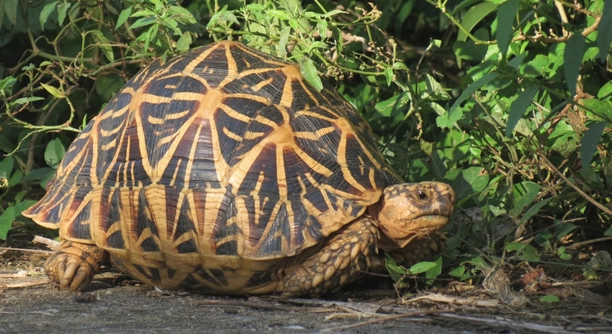
Is your turtle’s tail getting shorter over time? This change might be unsettling, but it’s important to understand the potential causes behind this unusual symptom to ensure your turtle’s well-being and health.
The shortening of a turtle’s tail can occur due to injury, poor diet, or health conditions such as infections. It’s essential to monitor your turtle closely and consult a veterinarian for accurate diagnosis and treatment.
Understanding the reasons behind your turtle’s tail issue will help you provide the best care and prevent further complications.
Possible Causes of a Shortening Tail in Turtles
A turtle’s tail can shorten for a few reasons, with the most common being injury or infection. If your turtle has been in a rough environment, its tail might have been harmed without you noticing. For example, a fight with another turtle or a mishap with sharp objects in its habitat could cause the tail to shorten. Another possibility is an infection. Turtles are prone to bacterial and fungal infections, which can affect the tail. If your turtle’s tail has wounds or seems swollen, it’s important to address these issues quickly.
It’s also worth considering poor diet or dehydration. These factors can weaken your turtle’s immune system, making it more vulnerable to infections or injury.
Turtles are sensitive creatures, and their health can decline when basic needs aren’t met. Make sure your turtle’s habitat is clean, the temperature is appropriate, and it has access to fresh water and proper food. If you notice a change in the tail, such as it becoming shorter or showing signs of infection, seeking veterinary help is essential for your turtle’s recovery.
When to Seek Veterinary Care
If your turtle’s tail is becoming shorter, it’s best to take it to the vet. Some tail issues can be serious, and early treatment can prevent further damage.
A veterinarian will be able to examine your turtle, conduct tests, and figure out what’s causing the tail to shorten. They can recommend a course of treatment, such as antibiotics for infections or adjustments to the turtle’s diet. Taking action quickly can make a big difference in your turtle’s health.
Injuries and Their Impact on a Turtle’s Tail
If your turtle’s tail has been injured, it may shrink over time due to damage to the tissue. This can happen if the turtle’s tail gets caught in something or is attacked by another turtle. Even minor injuries can affect its growth and appearance.
Injuries may cause swelling, discoloration, or visible cuts. These issues can prevent the tail from growing normally, and if left untreated, the damage can get worse. It’s important to examine your turtle’s tail regularly, especially if you notice any abnormal behavior, such as hiding or refusing to eat. Early intervention helps ensure the injury heals properly.
Sometimes, turtles may try to protect an injured area, which could lead to behavioral changes. If your turtle is acting differently or the tail seems to get smaller, the injury might be serious. In these cases, you should consult a veterinarian for guidance and care.
Infection as a Cause for Tail Shrinkage
Infections are another common reason for a turtle’s tail to shorten. Bacterial or fungal infections can easily spread if a turtle’s environment isn’t clean, or if the turtle is stressed. An infected tail can become swollen, inflamed, or discolored.
When infections occur, the skin around the tail may soften and eventually break down, leading to tissue loss. If untreated, an infection can spread and cause permanent damage to the tail. If you notice your turtle’s tail looking different—like changing color or shrinking—an infection might be to blame. Keeping your turtle’s habitat clean is crucial to preventing infections.
Turtles with compromised immune systems, due to poor diet or stress, are more susceptible to infections. If your turtle’s tail has any open wounds or visible changes, you should seek veterinary help immediately. They may recommend antibiotics or other treatments to treat the infection.
Poor Diet and Dehydration
A poor diet can contribute to your turtle’s tail shrinking. Without the proper nutrients, your turtle’s immune system weakens, making it more prone to infections and injury. A lack of calcium or vitamins could also impact its growth.
Dehydration can make the situation worse. If your turtle isn’t getting enough water, it can become sluggish and its body may not function properly. To prevent this, make sure your turtle has a balanced diet and plenty of water, which will help its overall health and the condition of its tail.
Stress and Its Effect on a Turtle’s Health
Stress can also play a role in your turtle’s tail shortening. If the turtle is stressed by a small habitat, frequent handling, or other environmental factors, it can weaken its immune system and make it more susceptible to injury or infections.
A stressed turtle may not eat or drink properly, leading to dehydration and malnutrition, both of which can cause its tail to shorten. Ensure your turtle has a peaceful, spacious environment to reduce stress and promote good health.
Environmental Factors That May Contribute
Poor water quality or an unclean tank can cause health issues for your turtle. Dirty water increases the risk of bacterial and fungal infections, which can affect the tail. Regular cleaning and water changes will help your turtle stay healthy.
Improper tank temperature is another factor. If the water is too cold or too warm, your turtle’s immune system can be compromised, making it more vulnerable to infections that could affect its tail. Keep the tank at the right temperature to maintain a healthy environment.
FAQ
Why is my turtle’s tail shrinking?
A turtle’s tail may shrink due to injury, infection, or poor health. If your turtle has been hurt, whether from a fight with another turtle or a rough object in its environment, the injury may cause its tail to shrink over time. Infections are another common reason, often caused by dirty water or poor hygiene in the tank. A weakened immune system, due to stress or a poor diet, can also make the turtle more susceptible to infections that can affect its tail. If you notice a change in the tail’s size or appearance, it’s important to assess your turtle’s environment and seek veterinary care if necessary.
How can I tell if my turtle’s tail injury is serious?
If your turtle’s tail injury is serious, it will likely show signs of infection, such as redness, swelling, or discharge. Additionally, if your turtle is acting more lethargic than usual or has a loss of appetite, these could be signs that the injury is affecting its health. A minor injury might heal on its own, but if the tail starts to show significant changes, it’s best to get a vet’s opinion. Sometimes, severe injuries may require medical intervention or even surgery, depending on the extent of the damage.
Can poor water quality cause tail shrinkage in turtles?
Yes, poor water quality is a common cause of health problems in turtles, including tail issues. Dirty water contains harmful bacteria and fungi that can infect your turtle, causing swelling or damage to the tail. High levels of ammonia or chlorine in the water can weaken the immune system and make it more difficult for your turtle to fight off infections. Regular water changes, proper filtration, and maintaining the right water temperature will help keep your turtle healthy and prevent infections that could lead to tail shrinkage.
What can I do to prevent my turtle’s tail from shrinking?
To prevent your turtle’s tail from shrinking, maintain a clean and safe environment. Regularly clean the tank, change the water, and make sure the temperature is within the proper range for your turtle’s species. Offer a balanced diet that includes a variety of foods rich in vitamins and minerals, like leafy greens, proteins, and calcium supplements. Reducing stress is also important; ensure your turtle has enough space in its tank and isn’t disturbed too frequently. Keeping your turtle’s habitat in top condition is the best way to prevent tail issues and promote its overall health.
Should I be worried if my turtle’s tail is becoming shorter?
While it’s not uncommon for a turtle’s tail to shorten slightly over time, a noticeable reduction in length or abnormal changes could signal a health problem. If you notice that the tail is becoming noticeably shorter or there are signs of infection, it’s important to act quickly. Delaying treatment can result in more severe damage, including permanent tissue loss. A visit to the vet will help determine the cause of the tail shrinkage and ensure that your turtle gets the proper care it needs.
How do I treat a turtle’s tail infection?
Treating a turtle’s tail infection typically requires antibiotics or antifungal medication, depending on the cause of the infection. Your veterinarian will be able to prescribe the right treatment based on the type of infection. It’s also important to keep the turtle’s tank clean and make sure the water is at the right temperature to support healing. If the infection is severe or causing the tail to deteriorate, surgical treatment may be necessary to remove damaged tissue. Prompt treatment is crucial to prevent the infection from spreading or causing permanent damage.
Can stress affect my turtle’s tail?
Yes, stress can contribute to a range of health issues in turtles, including tail shrinkage. Stress weakens the immune system, making the turtle more susceptible to infections or injuries that could affect its tail. Common sources of stress in turtles include overcrowding, poor water quality, extreme temperatures, and frequent handling. To reduce stress, make sure your turtle has enough space in its tank, a clean and safe environment, and a proper diet. Try to minimize unnecessary disturbances, allowing your turtle to feel secure and comfortable in its habitat.
What should I do if I see my turtle’s tail bleeding?
If your turtle’s tail is bleeding, it’s essential to address it immediately. First, gently remove your turtle from the water and place it in a dry, clean space. If the bleeding is minor, you can clean the area with a mild antiseptic, like saline solution, and apply gentle pressure to stop the bleeding. If the bleeding doesn’t stop or the wound is deep, it’s important to contact a vet right away. They may need to stitch the wound or administer medication to prevent infection and promote healing.
Can a turtle recover from a shortened tail?
A turtle’s recovery from a shortened tail depends on the cause and severity of the condition. If the tail is shortened due to a minor injury or infection, the turtle can often recover with proper treatment, including antibiotics, a clean environment, and a healthy diet. However, if the tail is severely damaged or the cause is not treated promptly, the damage could be permanent. In some cases, the tail may not fully regrow, but with the right care, your turtle can still live a healthy life.
Do I need to change my turtle’s diet if its tail is shrinking?
If your turtle’s tail is shrinking, a change in diet may help address underlying nutritional deficiencies. A balanced diet rich in vitamins, minerals, and protein is essential for keeping your turtle healthy and preventing immune system weakness, which can make it more vulnerable to infections and injuries. Offering foods like leafy greens, fish, and commercial turtle pellets can ensure your turtle is getting the nutrients it needs. Adding calcium supplements is also important for overall shell and bone health, which can indirectly help with tail regeneration and recovery.
Final Thoughts
If your turtle’s tail is shrinking or showing signs of damage, it’s important to take action quickly. There are several possible reasons behind this issue, including injury, infection, poor diet, or stress. Identifying the cause early on can help you address the problem before it worsens. Regular monitoring of your turtle’s behavior and health can prevent you from missing important signs of distress. If you notice your turtle’s tail is changing, it’s always a good idea to consult a vet for a proper diagnosis and treatment plan.
Keeping your turtle’s environment clean and providing a balanced diet are key to maintaining its overall health. A clean tank with the right water temperature is essential to prevent infections that could affect the tail. Regular water changes, proper filtration, and proper lighting can also help create a healthy living space for your turtle. A nutritious diet with a variety of fresh foods will help keep your turtle strong and less vulnerable to illnesses. Stress can have a big impact on your turtle’s health, so creating a peaceful environment and reducing any disturbances will also contribute to its well-being.
In conclusion, while a shrinking tail can be concerning, it’s important to approach the situation calmly and carefully. Addressing the problem early can help your turtle recover and prevent further complications. If you are unsure about the cause of the issue, seeking veterinary advice is always the best course of action. With the right care, your turtle can continue to live a healthy, happy life.

Hello,
If you enjoy the content that we create, please consider saying a "Thank You!" by leaving a tip.
Every little bit helps us continue crafting quality advice that supports the health, happiness, and well-being of pets around the world, for pets of all shapes, sizes, and species.
We really appreciate the kindness and support that you show us!