
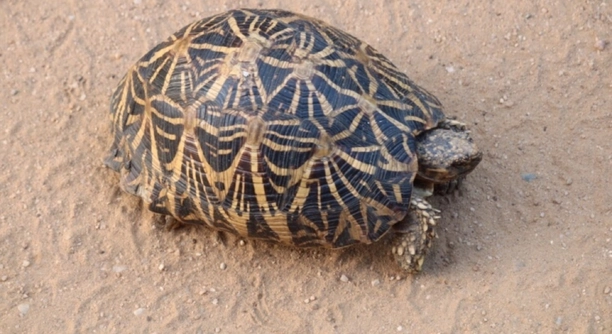
Turtles are fascinating pets, but sometimes they can exhibit unusual behaviors, such as hiding under their basking spots. This can leave owners concerned and wondering what might be causing their turtle to act this way.
There are several reasons why your turtle might be hiding under its basking spot. It could be related to stress, discomfort, or even temperature fluctuations in its environment. Ensuring a stable and appropriate habitat can help reduce this behavior.
Understanding why your turtle hides under the basking spot is important for its well-being. Proper adjustments to the environment can make a big difference in its comfort and health.
Reasons for Hiding Under the Basking Spot
There are a few reasons why your turtle may choose to hide under its basking spot. One common reason is that it might be feeling stressed. This could be due to changes in its environment, such as a new tank mate or alterations in the water temperature. Turtles can also hide if they are feeling unwell or uncomfortable. If the basking area isn’t at the proper temperature, the turtle might seek cooler places to rest. It’s essential to ensure that the basking spot is warm enough to support your turtle’s health and comfort.
Stress from changes in the tank setup or handling can also make a turtle retreat to a secure area. Environmental stability is key to preventing this behavior.
Pay attention to any recent changes in the tank. A sudden shift in temperature or the introduction of a new element can trigger this behavior. Providing a calm, steady habitat will help your turtle feel secure and less likely to hide excessively.
Temperature and Habitat Factors
Turtles need specific temperatures to thrive. The basking spot should be warm enough for them to regulate their body temperature. If it is too cold, the turtle may avoid it altogether, seeking shelter under the basking spot for warmth. On the other hand, if the temperature is too hot, they might retreat to a cooler area.
Also, a poorly lit environment or the lack of adequate UVB lighting can cause a turtle to hide more often. These factors can make your turtle feel unsafe, affecting its natural behavior. To avoid such issues, check the temperature regularly and ensure the lighting is appropriate.
Keep in mind that turtles have different temperature preferences depending on the species. So, knowing the ideal temperature for your specific turtle will make a big difference in its overall health and behavior. If the basking area isn’t adjusted to meet these needs, you may notice your turtle hiding more than usual.
Health Concerns
Sometimes, hiding under the basking spot could indicate that your turtle is not feeling well. Illnesses or injuries might cause discomfort, prompting the turtle to retreat to a hiding spot. If you notice other signs of poor health, such as a lack of appetite, lethargy, or difficulty moving, a visit to the vet is necessary.
Regularly monitoring your turtle’s health is important for its well-being. Infections, parasites, and even poor water quality can lead to health issues that make a turtle want to hide. If your turtle suddenly starts hiding more than usual without any apparent environmental changes, consider checking for signs of illness.
If health issues are suspected, it is best to act quickly. Prompt treatment can prevent further complications and ensure your turtle stays healthy and happy. Ensuring a clean tank and maintaining proper care is essential to keeping your turtle in good shape.
Stress from the Environment
Environmental stressors are a common cause of hiding. Turtles are sensitive to changes in their surroundings. If there is a sudden noise, movement, or even a new person in the house, your turtle may retreat to a hiding spot. It’s also important to consider the tank’s size and the number of turtles. Overcrowding or a cramped living space can lead to stress and hiding. A larger tank with proper hiding spots will help alleviate some of these issues.
One way to reduce environmental stress is to create a stable, quiet space for your turtle. Avoid loud noises or disturbances near its enclosure. If you’re introducing new elements, like a tank mate or new decorations, do so gradually to prevent overwhelming your turtle. Keep its tank clean and ensure it has enough space to move around comfortably.
Turtles thrive in stable environments. If your turtle has been hiding more often, check if any recent changes could be contributing to the stress. Identifying and correcting these issues can make your turtle feel more secure and reduce its tendency to hide.
Tank Setup and Lighting
Proper tank setup is essential for a turtle’s comfort. Inadequate lighting or poor water conditions can cause a turtle to feel unsafe. Ensure the basking spot has appropriate UVB lighting, which is vital for your turtle’s health. Without UVB light, turtles can become lethargic and may hide more often due to the lack of energy. Additionally, the water quality should be monitored regularly to avoid poor conditions that may stress your turtle.
To create the best environment for your turtle, you need to set up the tank with the proper equipment. A good UVB bulb should be positioned over the basking spot to provide the necessary heat and light. The water temperature should be consistent, with both the basking and swimming areas at the correct levels for your specific turtle species. Proper filtration will keep the water clean and free from harmful bacteria, which can lead to illness and stress.
Investing time and effort into creating an optimal habitat for your turtle will greatly improve its quality of life. When the environment meets all of its needs, your turtle is less likely to hide and will feel more confident in its space.
Handling and Interaction
Overhandling can make your turtle feel insecure. While some turtles enjoy occasional interaction, others may become stressed by too much contact. If your turtle starts hiding after you’ve handled it, it might be trying to escape from discomfort. Handling your turtle gently and for short periods will help prevent stress.
If you notice your turtle becoming more reclusive after being handled, it may need some alone time to feel comfortable again. When interacting with your turtle, make sure it has a calm, stress-free environment to return to afterward. Let it explore the tank at its own pace, without being constantly touched or moved. Providing quiet and undisturbed time will help your turtle feel safe.
Turtles are naturally solitary creatures and may need time to themselves. Avoid forcing interaction, and always ensure that your turtle has a comfortable space to retreat to when it needs it.
Illness and Injury
If your turtle is hiding under its basking spot, it might be dealing with an illness or injury. Infections, parasites, or internal issues can make your turtle feel unwell and seek shelter. Keep an eye out for other signs of poor health, such as lethargy or loss of appetite.
When a turtle is ill, it may retreat to a secluded area to rest and recover. If you notice your turtle behaving unusually, such as not basking or hiding more often, it’s important to investigate further. A visit to a vet can help rule out health concerns.
Turtles are good at hiding signs of illness, so subtle changes in behavior or appearance are often the first indicators. If your turtle’s condition doesn’t improve with adjustments in its environment, consult a veterinarian to ensure it receives proper care.
Water Quality
Water quality is a key factor in your turtle’s health. Poor water quality can stress a turtle, causing it to hide more often. Regularly change the water, clean the tank, and ensure the filtration system works properly. Dirty or stagnant water can lead to health problems, making your turtle feel unsafe.
Check the water parameters, including pH levels, ammonia, and nitrate levels. If the water isn’t properly filtered or maintained, it could cause irritation to your turtle’s skin or respiratory system. Make sure the water is clean and free from harmful chemicals.
Keeping the water clean and properly filtered is one of the best ways to keep your turtle comfortable and healthy. A clean environment encourages your turtle to be more active and less likely to hide.
Diet and Nutrition
Your turtle’s diet plays a significant role in its overall health. A poor diet can lead to weak immunity and low energy, making your turtle more prone to hiding. Ensure it is getting a balanced diet with appropriate proteins, vegetables, and supplements.
A lack of nutrition can also cause lethargy, which might result in your turtle seeking out hiding places. Over time, a poor diet may lead to serious health issues, such as shell problems or digestive issues, that could cause your turtle to hide for comfort.
Feed your turtle a varied and nutrient-rich diet to ensure it stays active and healthy. A well-fed turtle is more likely to bask and explore its environment rather than hide under its basking spot.
FAQ
Why does my turtle keep hiding under its basking spot?
Turtles may hide under their basking spots when they feel stressed, unwell, or unsafe. Environmental factors like loud noises or changes in their tank setup can cause this behavior. It might also be due to improper lighting, water quality, or diet. If the hiding continues, check the tank setup, ensure it has proper lighting and temperature, and consult a vet if signs of illness appear.
Is it normal for my turtle to hide a lot?
It’s normal for turtles to seek hiding spots occasionally, especially if they feel threatened or need rest. However, if your turtle is hiding more than usual, it may indicate stress, discomfort, or illness. Check the water quality, basking area, and overall environment to see if adjustments are needed.
How can I tell if my turtle is sick?
Signs that your turtle may be sick include lack of appetite, lethargy, swelling, discolored skin, and difficulty swimming or breathing. If your turtle refuses to bask or hides often, it could also be a sign of illness. A visit to a vet is essential for accurate diagnosis and treatment.
Can my turtle hide because it is cold?
Yes, cold temperatures can make turtles hide. Turtles are ectothermic, meaning they rely on external heat sources to regulate their body temperature. If the basking area or water temperature is too low, your turtle may seek a warmer or safer place to stay. Ensure the tank has the correct heating elements to maintain the proper temperature.
How can I reduce my turtle’s stress?
To reduce stress, create a calm and quiet environment. Avoid loud noises, sudden movements, and overhandling. Ensure the tank is large enough and has appropriate hiding spots. A stable water temperature, clean water, and proper UVB lighting are crucial. Giving your turtle space and avoiding constant disturbance will help it feel more secure.
How much space does a turtle need in its tank?
The tank size depends on the species, but a general rule is 10 gallons of water per inch of turtle shell length. Turtles need enough space to swim and bask comfortably. Overcrowding can lead to stress, aggression, and hiding. Be sure to provide ample swimming area and basking spots.
Do turtles need to bask all the time?
Turtles do not need to bask all the time but require regular exposure to UVB light to maintain their health. Basking helps them regulate body temperature, metabolize calcium, and dry off. If your turtle is hiding under its basking spot instead of basking, it might be feeling too stressed or cold.
What should I do if my turtle is hiding for days?
If your turtle hides for an extended period, it could be a sign of a problem. First, check the water quality, temperature, and lighting to ensure they are optimal. If the tank is in good condition and your turtle is still hiding, it may be ill and require veterinary attention.
Why does my turtle hide after eating?
Turtles often hide after eating to digest in a safe, quiet space. This behavior is normal as they feel vulnerable while digesting their food. However, if it becomes excessive or your turtle refuses to come out, it could indicate a health problem, and you should monitor for any signs of illness.
How do I improve my turtle’s habitat?
Start by ensuring the tank is the correct size for your turtle. It should include a basking spot with appropriate UVB lighting and a filtration system to keep the water clean. Maintain stable water temperatures and avoid overcrowding. Adding hiding spots can make your turtle feel more secure.
Can a tank mate cause my turtle to hide?
Yes, a tank mate can contribute to hiding behavior, especially if the turtle feels threatened or uncomfortable. Aggressive tank mates or competition for space, food, or basking areas can cause stress. Monitor their interactions, and if necessary, separate them to reduce tension and provide a peaceful environment.
Should I worry if my turtle won’t eat?
If your turtle is refusing food, it could be due to stress, illness, or poor water conditions. Make sure the water temperature is correct, the basking spot is available, and the diet is appropriate for its species. If the lack of appetite persists for more than a few days, consult a vet.
Can my turtle hide when it’s shedding?
Yes, turtles may hide more during shedding, as they can feel vulnerable or uncomfortable. Shedding is a natural process, but if your turtle is hiding excessively or struggling to shed properly, it may need help. Check for any stuck skin, and ensure the water conditions are suitable to help with shedding.
Final Thoughts
Understanding why your turtle keeps hiding under its basking spot is essential to ensuring its health and well-being. While it’s normal for turtles to seek quiet spaces occasionally, consistent hiding could be a sign of stress, discomfort, or illness. By closely monitoring its behavior, you can identify underlying issues that may need attention. This includes checking the water quality, basking spot, and overall tank conditions. Maintaining a proper environment is key to preventing stress and keeping your turtle comfortable.
If your turtle’s behavior persists despite providing a stable environment, it’s important to seek professional advice. A veterinarian specializing in reptiles can offer guidance on health concerns that might not be immediately visible. While turtles tend to hide signs of illness, being proactive about their care will help you catch any potential issues early. Also, observing other factors like diet, tank mates, and external disturbances will contribute to understanding your turtle’s needs. Every turtle is unique, and what works for one may not work for another.
Ultimately, providing a peaceful, clean, and safe environment will help your turtle feel secure. A balanced diet, proper lighting, and temperature control are fundamental aspects of turtle care that shouldn’t be overlooked. Regularly checking on your turtle’s health and ensuring that all its needs are met will reduce stress and encourage more natural behaviors, like basking and swimming. Remember, patience is key when it comes to understanding your turtle’s behavior. By staying observant and attentive, you can ensure your turtle thrives and enjoys a healthy, happy life.

Hello,
If you enjoy the content that we create, please consider saying a "Thank You!" by leaving a tip.
Every little bit helps us continue crafting quality advice that supports the health, happiness, and well-being of pets around the world, for pets of all shapes, sizes, and species.
We really appreciate the kindness and support that you show us!