
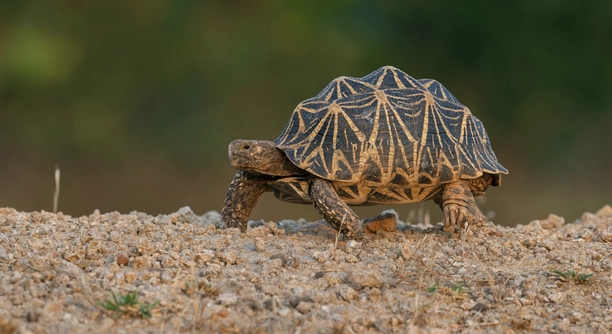
Turtles are fascinating creatures, but if yours seems fearful or distant, it can be frustrating. Understanding why this happens is key to building a stronger bond with your turtle. Let’s explore some possible reasons.
Turtles might be afraid of you due to sudden movements, unfamiliar environments, or past negative experiences. They are naturally cautious animals, and any stressor can cause them to feel threatened or uneasy. Patience and gradual interactions are essential for trust.
There are a few simple ways to help ease your turtle’s fear and build a stronger relationship. Understanding these factors will allow you to create a calmer environment and a more trusting connection with your pet turtle.
Sudden Movements Can Startle Your Turtle
Turtles are highly sensitive to their surroundings. Any sudden movement, especially around them, can cause them to feel alarmed. They rely heavily on their vision and are easily startled by quick gestures or changes in their environment. If you’re moving too quickly, your turtle may not feel safe, making them retreat into their shell or hide.
To help your turtle feel more comfortable, slow down your movements. It’s essential to approach them gently and calmly. Start by sitting quietly near their tank or enclosure for a while before reaching in. This helps them get used to your presence without feeling threatened.
Building trust takes time, so be patient. By offering consistent, slow movements, your turtle will learn that you are not a threat. This patience is key to forming a stronger bond and will encourage your turtle to become more open to interaction over time.
Stress from the Environment
Turtles are very sensitive to changes in their surroundings. If you’ve recently moved your turtle’s tank or made significant changes to their environment, this could be causing their fear.
Turtles feel safest in a stable and predictable space. Any changes—whether it’s the lighting, temperature, or even tank decorations—can stress them out. For some turtles, these changes can trigger feelings of vulnerability. To help your turtle settle, keep their environment consistent. Ensure that all the factors contributing to their habitat are as stable as possible. Over time, this will reduce their anxiety and allow them to feel more secure in their space.
Lack of Socialization and Trust
Turtles, particularly those who haven’t been socialized from an early age, may struggle with trust. While they are not as social as other pets, they still need positive interaction with their owner. Without it, your turtle may grow fearful of being handled.
Building trust with your turtle takes patience. Start by simply sitting by their tank without attempting to touch them. Let them get used to your presence. Over time, you can gradually introduce gentle handling. With positive reinforcement and steady interaction, your turtle will begin to associate you with safety and comfort, reducing fear.
Negative Past Experiences
If your turtle has experienced trauma in the past, it could carry that fear with it. Handling them roughly or exposing them to loud environments may create lasting anxiety. Even a bad experience with a previous owner can leave them frightened.
To help your turtle recover from past trauma, create a safe, quiet space for them to feel secure. Avoid sudden movements and allow them to explore their environment at their own pace. Patience is crucial when helping your turtle heal from any negative experiences. Over time, they will learn to trust you more.
Turtles are resilient creatures, but their memories can last. Be mindful of their reactions to certain situations and always offer them the space and time they need. With consistent care and understanding, your turtle will gradually feel more at ease. Focus on building positive associations through gentle interactions, so your turtle can eventually feel safe and calm in your presence.
Poor Tank Conditions
Uncomfortable tank conditions can contribute to your turtle’s fear. If the water is too cold, too hot, or the lighting is too harsh, it can create stress. A poorly maintained tank can lead to feelings of insecurity and fear.
Proper tank care is essential for a happy and relaxed turtle. Ensure the water temperature is appropriate for the species, and maintain clean water with proper filtration. Provide hiding spots like plants or rocks, giving your turtle places to feel safe. Good lighting should also mimic natural day-night cycles to reduce stress.
By maintaining optimal tank conditions, your turtle will feel more at ease and less likely to be afraid of you. When your turtle’s environment is stable, they’ll focus on exploring and engaging with you, rather than feeling threatened.
Overfeeding or Underfeeding
Turtles that are overfed or underfed may become stressed. Overfeeding leads to discomfort, while underfeeding can cause weakness. Both situations can make your turtle feel anxious or fearful, as their basic needs are not being met.
Feeding your turtle the right amount, according to their species, size, and age, is essential for their well-being. Overfeeding can also affect their behavior, making them lethargic or irritable. Keeping a regular feeding schedule ensures they feel secure and healthy.
A balanced diet and proper feeding routine help maintain your turtle’s physical and emotional health. When your turtle’s nutritional needs are met, they will feel more relaxed and less afraid of their surroundings.
Unfamiliar Sounds
Turtles have a keen sense of hearing and are easily startled by unfamiliar or loud noises. Household sounds, like the vacuum or loud music, can make your turtle feel unsafe. Even the sound of footsteps or talking may cause them to retreat.
Reducing loud noises in the turtle’s environment is important for their comfort. Keep their tank in a quiet area, away from high-traffic spots in the home. Giving them time to adjust to their environment helps them feel safe. Familiar sounds, such as your voice in a calm tone, can eventually help them relax.
Inconsistent Handling
When you handle your turtle inconsistently, they may not understand what to expect from you. This unpredictability can cause fear, as they may associate your touch with stress. Turtles need consistency to feel safe and develop trust.
Handle your turtle regularly but gently, allowing them time to adjust to your touch. Start by letting them get comfortable in your hands before moving them around too much. With regular, calm interactions, your turtle will start to recognize that your touch is not a threat, and fear will decrease.
FAQ
Why is my turtle hiding all the time?
Turtles naturally seek shelter when they feel threatened or stressed. If your turtle is hiding frequently, it could be a sign that it feels unsafe or is adjusting to its environment. New surroundings, changes in their habitat, or even feeling unwell can make a turtle retreat into its shell. Giving them time and space to adjust is key. Ensure their tank conditions are optimal and try not to disturb them too often. Over time, they should become more comfortable and spend more time exploring.
How do I know if my turtle is stressed?
Signs of stress in turtles include hiding, loss of appetite, swimming erratically, or being overly lethargic. If your turtle becomes aggressive or tries to escape its tank, it may also be stressed. Monitoring its behavior closely will help you spot these signs early. Stress can come from environmental factors like improper lighting or temperature, sudden changes in surroundings, or even mishandling. Providing a stable, quiet environment and reducing stressors will help your turtle feel more secure.
Can loud noises cause my turtle to be scared?
Yes, turtles are sensitive to loud noises, which can cause them stress or make them fearful. Sudden or constant noise can startle your turtle and make them feel threatened. It’s best to place their tank in a quieter area of your home, away from loud appliances or high-traffic areas. Creating a calm and peaceful environment will help reduce their stress and allow them to feel more secure.
What can I do to calm my turtle down?
To calm your turtle, maintain a stable environment with proper water temperature, lighting, and food. Spend time sitting near them, but avoid sudden movements or loud noises. Gradually introduce gentle handling to help build trust. Keep interactions short at first, allowing them to come to you on their terms. A peaceful environment and consistent, patient interactions will help your turtle feel more relaxed.
How can I tell if my turtle is afraid of me?
If your turtle hides when you approach or retracts into its shell quickly, it may be afraid of you. Other signs include rapid swimming away when you get close, or attempting to flee from your hands. These reactions are common when a turtle feels threatened or unsure. Give them space and time, allowing them to get used to your presence gradually. With patience, they will begin to trust you more.
What are the best ways to bond with my turtle?
Bonding with your turtle takes time and patience. Start by spending time near their tank without forcing interaction. Let them get used to your presence. Gradually, try gentle handling, ensuring you support them securely. You can also offer food directly, allowing them to associate you with positive experiences. Keep your movements slow and calm to avoid startling them. Over time, with consistent, gentle interaction, your turtle will begin to trust you more.
Can my turtle’s tank affect its behavior?
Yes, the conditions of your turtle’s tank can have a big impact on its behavior. Improper lighting, water temperature, or tank size can cause stress. If your turtle feels uncomfortable in its environment, it may hide, become aggressive, or exhibit other signs of stress. Make sure to maintain a clean tank, with the right temperature, humidity, and light cycles. This stable environment will help your turtle feel secure and reduce fear.
Is it normal for my turtle to be afraid of me at first?
Yes, it’s completely normal for a turtle to be afraid of you when you first bring it home. Turtles are naturally cautious animals, especially when introduced to new environments or people. It’s important to be patient and give them time to adjust. Start by offering food and sitting near their tank. Gradually, they will become more familiar with you and may feel comfortable enough to interact. With consistent, calm handling, your turtle will start to trust you.
What should I do if my turtle is not eating?
If your turtle is not eating, it could be a sign of stress, illness, or improper tank conditions. First, check the temperature and water quality to ensure they’re within the proper range for your turtle’s species. If the conditions are fine, observe your turtle’s behavior for other signs of illness. If the lack of appetite continues for an extended period, it’s best to consult with a veterinarian who specializes in reptiles. Stress can also cause turtles to lose their appetite, so make sure their environment is calm and comfortable.
Can I train my turtle to be less fearful?
Training a turtle to be less fearful is possible but requires time and patience. Start by gently handling them and allowing them to explore at their own pace. Avoid any sudden movements or loud noises. Offering food can also create positive associations with your presence. Be consistent with your approach and give them space when they need it. Over time, they will begin to recognize you as a source of safety, and their fear may decrease.
How long does it take for a turtle to get used to its owner?
The time it takes for a turtle to get used to its owner can vary, depending on the turtle’s personality, species, and past experiences. Some turtles may become comfortable within a few weeks, while others may take months to fully adjust. The key is to be patient and consistent. Allow your turtle to acclimate to its environment and approach them slowly. With time and proper care, your turtle will eventually become more comfortable with you.
Final Thoughts
Understanding your turtle’s behavior is crucial in building a strong and trusting relationship. Turtles can be naturally cautious animals, and fear is a common response when they feel threatened, stressed, or overwhelmed. Factors like loud noises, sudden movements, or even environmental changes can cause them to retreat or hide. It’s important to remember that turtles don’t immediately form bonds like some other pets, and patience is key when it comes to earning their trust.
Creating a peaceful and stable environment for your turtle can greatly help reduce fear. Proper tank conditions, such as correct temperature, water quality, and lighting, are essential for their overall well-being. A clean and comfortable habitat can make a significant difference in how your turtle feels about its surroundings. It’s also important to handle them gently and slowly, allowing them time to adjust at their own pace. Regular, calm interactions are a great way to help your turtle feel more comfortable over time.
Lastly, every turtle is different, and the amount of time it takes for them to overcome fear will vary. Some turtles may be more naturally outgoing and comfortable with humans, while others may take longer to adjust. With consistent care, patience, and understanding, your turtle will eventually learn to trust you. Remember, turtles rely on routine and stability, so maintaining a calm environment is one of the best ways to help your turtle feel safe and secure. Over time, the bond you share with your turtle will grow stronger, making your interactions more enjoyable for both of you.

Hello,
If you enjoy the content that we create, please consider saying a "Thank You!" by leaving a tip.
Every little bit helps us continue crafting quality advice that supports the health, happiness, and well-being of pets around the world, for pets of all shapes, sizes, and species.
We really appreciate the kindness and support that you show us!