
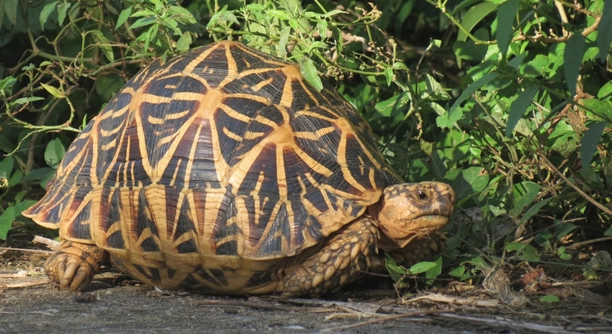
Turtles are fascinating creatures with unique behaviors. If you’ve noticed your turtle kicking at the water, you might be wondering what this means for its health or environment. Understanding these actions can be helpful.
Turtles may kick at the water as a response to various factors, such as stress, water temperature, or environmental discomfort. In some cases, they may be trying to communicate or adjust to their surroundings.
Understanding why your turtle is acting this way can help improve its well-being and your care routine. The following insights will provide useful guidance.
Common Reasons for Turtle Kicking
Turtles kicking at the water is often a sign of discomfort or distress. If the water temperature is too high or too low, turtles may act out to adjust. A sudden change in the water’s environment can trigger this behavior. For example, the presence of a new tank mate can stress a turtle, prompting them to react in such a way. Even changes in water quality can be a factor. It’s important to regularly check water parameters, including pH levels and filtration, to ensure your turtle feels comfortable in its habitat.
The environment and the overall health of the turtle play significant roles in this behavior. A stressed or sick turtle might display this type of behavior as a way of indicating discomfort. Regular water changes and proper filtration can also reduce the likelihood of this occurring.
Proper care and environment monitoring are key to ensuring your turtle remains happy and healthy. When you notice kicking behavior, it’s essential to evaluate the conditions and make adjustments if necessary.
Adjusting Water Temperature and Quality
Water temperature plays a critical role in your turtle’s well-being. Turtles are cold-blooded, and their activity levels depend on the warmth of their environment. If the water is too cold, they may feel sluggish or uncomfortable, leading to unnecessary kicking. On the other hand, overly warm water can cause stress. Consistently maintaining an appropriate water temperature within the recommended range (usually 75-80°F for most species) helps keep your turtle calm and comfortable.
Along with temperature, the water quality is essential for their health. Contaminants or imbalances in the water can cause irritation and force your turtle to act out. Regular testing of the water’s pH and ammonia levels will prevent unwanted issues. Clean water encourages better activity and more peaceful behavior.
Small changes, such as adjusting the water temperature or improving filtration, can resolve this problem and create a more stable living environment.
Stress and Anxiety
Turtles are sensitive creatures, and changes in their environment can trigger stress. New noises, unfamiliar tank mates, or even changes in routine can lead to kicking behavior. It’s crucial to minimize stressors and provide a consistent, calming environment.
If your turtle feels threatened or is in an unfamiliar setting, it may kick at the water as a sign of unease. Sudden moves, loud sounds, or too much activity near the tank can also contribute. To help your turtle feel secure, avoid rearranging the tank frequently and ensure that its habitat is stable.
Creating a predictable, quiet environment for your turtle can significantly reduce stress. This includes offering a secluded spot where the turtle can retreat if it feels overwhelmed. Routine and consistency are key to easing anxiety and preventing unwanted behavior.
Social Interactions
Turtles can be solitary or social, depending on the species. Some may feel irritated or anxious when housed with other turtles or animals, leading to water-kicking behavior. Understanding your turtle’s social needs is vital to providing proper care.
If you notice aggression or territorial behavior between tank mates, it could be a sign of stress. Territorial turtles may kick at the water to assert dominance or express frustration. Introducing a new turtle slowly and monitoring interactions is a good way to ensure they adapt well together.
In some cases, a turtle might simply prefer solitude. If tankmates are causing stress, consider separating them to allow each turtle to have its own space. Pay attention to the turtle’s behavior to identify whether social interactions are the issue.
Health Issues
Turtles may kick at the water if they are feeling unwell. Any discomfort or pain from illness can cause this behavior. If the kicking is persistent, a health issue could be the cause.
Signs like lack of appetite, lethargy, or abnormal behavior should be checked by a veterinarian. Health issues such as shell infections, respiratory problems, or parasites can all cause stress, leading to water kicking.
Proper diet, water quality, and a stress-free environment are essential for maintaining good health. Regular checkups with a vet can prevent potential issues from escalating.
Environmental Enrichment
Boredom can also cause turtles to kick at the water. Without enough stimulation, they may show frustration through this behavior. Providing enrichment can help keep them engaged.
Turtles need more than just water and space to thrive. Toys, hiding spots, and climbing structures can encourage natural behaviors. These additions allow your turtle to stay active and mentally stimulated.
An enriched environment will help your turtle feel more secure and less likely to act out. By adding variety to its habitat, you’ll encourage healthier and happier behaviors, making the environment more engaging for your turtle.
Feeding Behavior
Turtles are often motivated by hunger, and kicking at the water can sometimes indicate that they’re expecting food. This behavior is more noticeable during feeding times.
If your turtle starts kicking around the water, it may simply be signaling its desire to be fed. Keeping a consistent feeding schedule will help to minimize this behavior. It’s essential to ensure your turtle is receiving a balanced and nutritious diet, avoiding overfeeding or underfeeding.
Feeding behavior can vary by species. Understanding your turtle’s eating habits will help you create the most effective feeding routine and avoid unnecessary water kicking.
FAQ
Why does my turtle kick at the water when it’s feeding time?
Turtles may kick at the water during feeding times because they are excited or hungry. This behavior is a sign that they associate the water’s movement with the arrival of food. Some turtles will even kick or splash the water to get your attention. Regular feeding schedules can reduce this behavior, as your turtle will learn when to expect food and won’t feel the need to act out.
Is it normal for my turtle to kick at the water constantly?
Frequent kicking at the water can indicate a variety of factors. If your turtle is constantly kicking, it could be a sign of stress, discomfort, or environmental issues. Ensure the water temperature is stable, the quality is good, and the turtle’s habitat is peaceful. If the behavior persists despite environmental changes, a visit to a vet might be necessary to rule out health concerns.
How can I reduce my turtle’s kicking behavior?
To reduce your turtle’s kicking, start by ensuring a calm, stable environment. Maintain optimal water conditions, including temperature and filtration, to promote comfort. Offer enough space for your turtle to roam and hide if it needs solitude. If the turtle is housed with other animals, ensure the interactions are peaceful. A routine and a quiet environment will also help minimize the behavior.
What does it mean when my turtle kicks at the water during social interactions?
If your turtle kicks at the water during interactions with tank mates, it could be trying to establish dominance or signaling distress. Territorial behavior is common among turtles, especially when they are introduced to new companions. Monitor their behavior to ensure that they are getting along. If necessary, separate aggressive turtles to prevent further stress.
Can water quality affect my turtle’s kicking behavior?
Yes, poor water quality can cause your turtle to feel discomfort or stress, leading to kicking behavior. Turtles need clean, well-filtered water to thrive. Regularly check water parameters like pH levels, ammonia, and nitrate levels. Dirty or contaminated water can lead to skin irritations, respiratory problems, or infections, prompting your turtle to act out.
How can I tell if my turtle is stressed?
In addition to kicking at the water, signs of stress in turtles may include hiding frequently, lack of appetite, or aggressive behavior toward tank mates. A stressed turtle might also exhibit erratic swimming or lethargy. Ensuring a stable environment, proper diet, and avoiding overcrowding can help prevent stress.
Should I separate my turtles if one is kicking at the water?
If one turtle’s kicking behavior is due to aggression or territorial issues, separating them may be necessary. Turtles can be highly territorial, and constant kicking could be a sign that one is feeling threatened or frustrated. If they are housed in the same tank, ensure there are enough hiding spots and space to minimize conflict. Separate them if the aggression persists.
Can my turtle kick at the water due to a health issue?
Health problems can cause a turtle to act out, including kicking at the water. Infections, injuries, or internal health issues may lead to discomfort, making the turtle kick or splash the water. If you notice other symptoms, such as lethargy, difficulty swimming, or loss of appetite, a vet should be consulted immediately.
Is my turtle bored if it’s kicking at the water?
Boredom can be a factor in water-kicking behavior. If your turtle doesn’t have enough stimulation, it might kick at the water to express frustration. Providing enrichment items like toys, ramps, or hiding spots can help. A more engaging environment will allow your turtle to exercise and interact with its surroundings, reducing boredom.
How do I know if my turtle’s kicking behavior is a sign of hunger?
If your turtle only kicks around the water during feeding times or when it’s close to your presence, it’s likely a sign of hunger or anticipation. Turtles learn to associate certain events with food, and the kicking is their way of getting attention. Keeping a consistent feeding schedule can reduce the frequency of this behavior.
Can a new tank mate cause my turtle to kick at the water?
Introducing a new tank mate can create stress or anxiety for your turtle, leading to kicking at the water. Turtles are territorial creatures, and adding a new companion can disrupt their comfort. Gradually introducing the new turtle by keeping them in separate sections of the tank for a period can help ease the transition and reduce stress.
Does the size of my turtle’s tank affect its kicking behavior?
Yes, the size of the tank can influence your turtle’s behavior. A cramped environment can lead to frustration, causing your turtle to kick or act out. A larger tank allows for more space to explore, reducing stress and helping to minimize undesirable behaviors. Ensure your turtle’s tank is large enough to allow for natural movements and hideaways.
What are some signs that my turtle is happy and comfortable?
A happy and comfortable turtle will exhibit calm behavior. It will swim freely without displaying aggressive or stressed movements. Healthy eating habits and active exploration of its environment are also signs of contentment. A turtle that is well cared for will typically be alert, responsive, and show interest in its surroundings.
Final Thoughts
Turtles are fascinating creatures, and understanding their behavior can help ensure they remain healthy and content. Kicking at the water is a common behavior, but it can mean different things depending on the context. Whether it’s due to excitement, hunger, or stress, observing your turtle’s actions carefully will provide insight into its needs. Addressing the underlying cause of this behavior is important for its well-being.
Creating a comfortable environment is key to reducing unwanted behaviors like kicking at the water. Proper tank size, water quality, and temperature should be prioritized to ensure your turtle feels safe. In addition, providing environmental enrichment can help keep your turtle active and engaged, which can reduce boredom and stress. When turtles have space to explore and hide, they tend to feel more secure, making it less likely that they’ll kick at the water as a way to express frustration.
If the kicking behavior persists despite these efforts, it may be necessary to consult a veterinarian. Health issues like infections or parasites can sometimes be the cause of unusual behaviors. A vet can help diagnose and treat any underlying medical concerns. Regular check-ups and attention to your turtle’s physical and mental health will help maintain a strong bond between you and your pet, ensuring it thrives for years to come.

Hello,
If you enjoy the content that we create, please consider saying a "Thank You!" by leaving a tip.
Every little bit helps us continue crafting quality advice that supports the health, happiness, and well-being of pets around the world, for pets of all shapes, sizes, and species.
We really appreciate the kindness and support that you show us!