
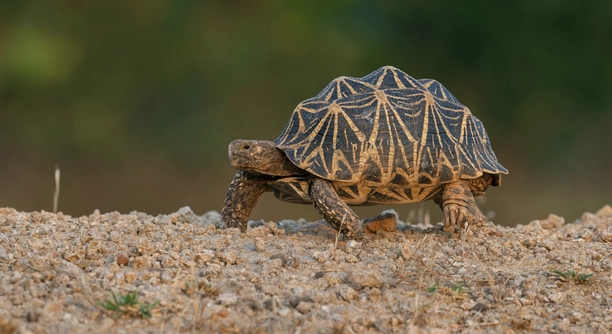
Keeping your turtle’s tank clean is essential for their health and well-being. It can be tricky to maintain, but with the right equipment, it becomes much easier. A good filter helps keep the water clear and safe.
The best tank filters for turtles should be powerful enough to handle their waste while being easy to maintain. They help remove debris and ensure the water stays clean, making it a healthy environment for your turtle.
A reliable filter will ensure your turtle has clean water and a better living space. Choosing the right one depends on factors like tank size, filter power, and ease of maintenance.
Factors to Consider When Choosing a Turtle Tank Filter
When choosing a filter for your turtle’s tank, the most important thing to consider is the filter’s power. Turtles produce a lot of waste, so a strong filter is necessary to keep the water clean. The size of the filter should match the size of the tank, as an underpowered filter will struggle to keep up with the waste and debris. You also want to choose a filter that is easy to maintain. Some filters are complicated to clean, which can make regular maintenance more time-consuming than it needs to be.
Look for a filter that provides mechanical, biological, and chemical filtration. Mechanical filtration removes visible debris, biological filtration helps break down waste, and chemical filtration keeps harmful toxins at bay. Make sure the filter you choose is capable of performing all three functions.
Don’t forget about the flow rate. Some turtles prefer calm water, while others thrive in more active water. You can adjust the flow rate or find a filter that suits your turtle’s needs, ensuring they are comfortable.
Best Filter Types for Turtle Tanks
There are several filter types to consider. Hang-on-back filters, canister filters, and internal filters all have unique features.
Canister filters are powerful and work well for larger tanks. They typically offer more filtration and can be placed outside the tank, keeping your space clutter-free. Hang-on-back filters are more common for smaller to medium-sized tanks. They are easy to install and maintain, though they may not be as strong as canister filters. Internal filters are placed directly in the tank and are a good option for smaller setups or if you’re dealing with limited space.
Choosing the right filter type is essential, as each offers different benefits. Consider the size of your tank and how much space you have when deciding which type is best. Hang-on-back and canister filters are the most common options for turtle owners. Internal filters are great for smaller tanks but tend to be less efficient than other types. Always check the specifications to ensure the filter matches the size and needs of your turtle’s environment.
Importance of Filter Maintenance
Regular filter maintenance is key to keeping the water clean and healthy for your turtle. A filter that isn’t properly maintained can quickly become ineffective. Make it a habit to clean or replace the filter media as recommended by the manufacturer.
Cleaning the filter prevents clogs and ensures the filtration system runs smoothly. Regularly removing debris and waste from the filter prevents it from breaking down or becoming too dirty. Depending on your filter type, you might need to rinse or replace the media monthly or quarterly. Always check the flow rate after cleaning to ensure it hasn’t decreased.
Neglecting filter maintenance can lead to poor water quality, which harms your turtle’s health. If your filter isn’t working as it should, you may notice algae growth, foul odors, or cloudy water. Staying on top of cleaning tasks will help avoid these issues and create a better environment for your pet.
Common Filter Problems and How to Solve Them
Sometimes, filters encounter issues that affect their performance. One common problem is clogging, which can slow down or completely stop filtration. Clogging often happens when debris builds up in the filter media or pump. You can avoid this by cleaning the filter regularly and using the appropriate filter size for your tank.
Another issue is a decrease in flow rate, which can be caused by a dirty impeller or clogged tubing. If the water flow slows down, check the filter for debris and clean any parts that may be blocking water. If the flow rate doesn’t improve, it may be time to replace the filter or parts.
In some cases, filters may start making unusual noises, such as a grinding or buzzing sound. This could be a sign that the motor is wearing out or that something is stuck in the filter. Identifying and solving these problems early will keep your filter running efficiently for a longer time.
Filter Size and Tank Size Compatibility
The size of the filter should match the size of your tank. A filter that is too small for your tank will struggle to clean the water efficiently. On the other hand, an oversized filter might cause strong water flow, which may not be ideal for your turtle.
When choosing a filter, consider both the tank size and the type of turtle you have. Larger tanks require more powerful filters. If you have a smaller setup, you can opt for a filter with less power but still ensure it’s sufficient for the tank’s volume.
Best Filter for Small Turtle Tanks
For smaller turtle tanks, a hang-on-back filter is often a good choice. These filters are easy to install, space-efficient, and perform well for tanks up to 40 gallons. They are affordable and low-maintenance, perfect for those with limited space.
Hang-on-back filters provide good filtration, handling debris and waste effectively. Since they sit outside the tank, they do not take up valuable space. Many also feature adjustable flow rates, allowing you to control water movement. This makes them a suitable option for smaller setups where excess water flow can disturb your turtle.
Filter Placement Tips
Where you place your filter matters. Ensure it is positioned where the water flows through the tank evenly. Ideally, the filter should be placed towards the back of the tank to create a current that pushes debris into the filter.
Keep the filter’s intake submerged to avoid air getting trapped, which can reduce its efficiency. Proper placement also ensures your turtle’s comfort, as they may prefer calmer areas of the tank to rest.
FAQ
How often should I clean my turtle’s filter?
The filter should be cleaned every 2-4 weeks, depending on the type of filter and tank conditions. If you notice reduced water flow or dirty water, it’s time to clean it. Make sure to rinse or replace the filter media as needed, but avoid cleaning it too often as it could disrupt the biological filtration. Check the manufacturer’s recommendations for specific maintenance guidelines.
Can I use the same filter for both fish and turtles?
You can use the same filter for both, but you may need a more powerful model for turtles. Turtles produce more waste than fish, so you need a filter that can handle the increased load. Make sure the filter can handle the tank’s bio-load, and choose one with good mechanical and biological filtration.
What size filter do I need for my turtle tank?
The filter size depends on your tank’s volume and your turtle’s size. For example, a 20-gallon tank would need a filter rated for at least 40 gallons. A good rule of thumb is to select a filter that can handle double the tank volume to ensure proper filtration. Always check the manufacturer’s guidelines for optimal filter capacity.
Why is my turtle tank still dirty after cleaning the filter?
If your tank remains dirty even after cleaning the filter, it may be a sign of insufficient filtration. The filter might not be powerful enough for your tank size, or it could need further cleaning. Another issue could be the filter media itself, which may need replacing. It’s also important to clean the tank regularly, as debris can build up faster than the filter can handle.
How can I reduce the flow rate in my filter?
Some filters have an adjustable flow rate. If you find the water current is too strong for your turtle, check if the filter has a control to reduce the flow. You can also use filter baffles to redirect the flow or reduce turbulence. These options create calmer areas in the tank for your turtle to relax without too much current.
Can I use a sponge filter for a turtle tank?
A sponge filter can be a good option for smaller turtle tanks or tanks with baby turtles. It provides gentle filtration and is easy to maintain. However, for larger tanks or adult turtles, sponge filters may not provide sufficient filtration. They are typically best used in conjunction with other filtration methods for added effectiveness.
How do I prevent algae buildup in my turtle tank?
Algae buildup in turtle tanks is common, especially when the tank receives a lot of light. To prevent it, limit the amount of direct sunlight the tank receives and use a proper filtration system to remove excess nutrients. Regular water changes, cleaning the tank, and reducing the light exposure can help control algae growth.
Why does my filter make noise?
If your filter is making noise, it could be due to a few reasons. Check for any debris that may be blocking the impeller or the intake. Sometimes, noise can also be caused by air bubbles trapped in the filter. If the noise persists, inspect the filter for wear or malfunction, as it might need to be replaced.
Should I use a canister filter for my turtle tank?
Canister filters are a great choice for larger turtle tanks, as they offer powerful filtration and can handle the larger bio-load from turtles. They are more efficient than hang-on-back filters and can be placed outside the tank, saving space. However, they require regular maintenance and can be more expensive than other filter types. If you have a large tank or multiple turtles, a canister filter might be the best option.
How can I maintain the water temperature in my turtle tank with a filter?
While a filter helps with water circulation, it does not maintain water temperature. To ensure your turtle’s tank stays at the right temperature, use a water heater in combination with the filter. The heater should be set to the proper range for your turtle species. Regularly check the water temperature with a thermometer to ensure it’s consistent.
What is biological filtration, and why is it important for my turtle tank?
Biological filtration involves the use of beneficial bacteria to break down harmful ammonia and nitrites produced by your turtle’s waste. This process is essential for maintaining water quality. Filters that provide biological filtration support the natural ecosystem in the tank by converting toxic substances into less harmful compounds. Without proper biological filtration, water quality would quickly deteriorate, which could harm your turtle.
Can a filter remove all harmful chemicals from the tank?
Filters can help remove many harmful chemicals, but they may not be able to remove all of them. Chemical filtration media, such as activated carbon, can absorb certain toxins, but not every harmful substance is eliminated. Regular water changes, along with proper filtration, are the best way to ensure clean water for your turtle. Be sure to check for any specific water treatment needs for your turtle’s species.
Final Thoughts
Choosing the right filter for your turtle’s tank is important for maintaining clean and healthy water. With the right filter, you can ensure that your turtle lives in a comfortable environment. Whether you choose a hang-on-back filter, a canister filter, or an internal filter, it’s essential to match the filter size to the tank size. Larger tanks and more active turtles may require stronger filters, while smaller tanks can work well with less powerful options. Always check the specifications to make sure the filter will meet your tank’s needs.
Remember that regular filter maintenance is just as important as choosing the right filter. Cleaning the filter and replacing the filter media at regular intervals will help it function properly. Neglecting filter maintenance can result in poor water quality, which can harm your turtle. Set a routine for cleaning, and be sure to monitor the water conditions to ensure that the filter is doing its job. If you notice any signs of reduced water flow, strange noises, or cloudy water, it might be time to clean or replace the filter.
Lastly, keep in mind that the filter is just one part of your turtle’s tank maintenance. Water changes, proper lighting, and temperature control are all factors that contribute to your turtle’s well-being. A good filter helps reduce the workload, but it won’t replace the need for regular upkeep. By choosing the right filter and maintaining it well, you create a healthier, more comfortable habitat for your turtle.

Hello,
If you enjoy the content that we create, please consider saying a "Thank You!" by leaving a tip.
Every little bit helps us continue crafting quality advice that supports the health, happiness, and well-being of pets around the world, for pets of all shapes, sizes, and species.
We really appreciate the kindness and support that you show us!