
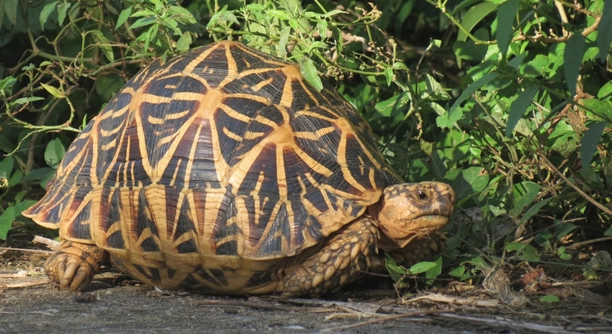
Turtles, like other pets, require proper care to stay healthy. Dehydration can cause serious harm to their well-being. Recognizing the signs early can help you provide the best care and prevent any unnecessary health issues.
The primary indication of dehydration in turtles is a lack of moisture in their skin and eyes. Other symptoms may include lethargy, poor appetite, and difficulty moving. Addressing dehydration promptly can prevent long-term health complications for your turtle.
Recognizing dehydration symptoms early can ensure proper care for your turtle and help you maintain its overall health and happiness.
Lack of Access to Water
Dehydration often occurs when turtles don’t have easy access to fresh, clean water. Turtles are naturally drawn to water, and they need it for hydration as well as to help regulate their body temperature. Without a consistent water source, dehydration can set in quickly. It is important to ensure that the water is both clean and deep enough for your turtle to submerge itself comfortably. Make sure the water is changed regularly to prevent contamination, which can also cause health issues. Without proper hydration, your turtle can become sluggish and its shell may appear dull.
A turtle without access to water may exhibit signs of dehydration like dry, cracked skin and sunken eyes. The absence of water means the turtle cannot properly absorb moisture, leading to long-term health problems.
If your turtle’s habitat doesn’t have the appropriate water access, they may struggle with dehydration. Offering a water source that matches their needs helps maintain their hydration levels. Proper water management is key for your turtle’s overall well-being.
Temperature Imbalance
If the temperature in your turtle’s environment isn’t just right, it can affect their ability to stay hydrated. Turtles require a specific temperature range for proper digestion and hydration. If the environment is too hot, your turtle may lose moisture faster than it can replenish. Conversely, too cold of an environment can cause your turtle to become inactive, which also affects its hydration levels.
Maintaining a stable temperature within the proper range encourages your turtle to be active and drink more water. A temperature gradient allows your turtle to choose the area that helps it regulate hydration and body function. For most turtles, a basking area around 85-90°F and a cooler water area of 70-75°F is ideal.
Too high or too low temperatures disrupt the balance that your turtle needs to stay hydrated. Over time, fluctuating conditions can lead to serious health problems. Ensuring the right temperature is essential for keeping your turtle healthy and hydrated.
Inadequate Diet
Turtles need a balanced diet for hydration. Dry or insufficient food can leave them dehydrated. A varied diet ensures they get enough moisture from their food. Leafy greens, vegetables, and fruits are excellent sources of hydration. These should be included regularly to maintain a healthy balance.
Feeding your turtle foods high in water content like lettuce, cucumbers, and watermelon can help support hydration. These natural sources of moisture prevent dehydration. Avoid offering only dry pellets, as they don’t contribute to hydration and can lead to a dry, unhealthy turtle. A balanced diet encourages overall well-being.
Proper nutrition is crucial for keeping your turtle hydrated and healthy. Make sure to provide a variety of foods, including both dry and wet options. This approach helps ensure that your turtle receives the moisture it needs without relying solely on drinking water.
Poor Habitat Design
A poorly designed habitat can contribute to dehydration. Lack of space for swimming or access to a proper basking area can stress a turtle, preventing it from hydrating properly. It’s essential that turtles have the right environment to stay comfortable and healthy.
Create a habitat with areas for both swimming and basking. Ensure the water is clean and deep enough for your turtle to submerge. The basking area should be easily accessible, so your turtle can regulate its temperature and moisture levels effectively. A stress-free environment promotes hydration.
An ideal habitat mimics the turtle’s natural environment. If it’s not properly designed, your turtle may struggle to stay hydrated. Consider adding ramps, hiding places, and ensuring clean water to provide your turtle with a comfortable space that supports both hydration and overall health.
Illness or Infection
Infections can make it hard for your turtle to stay hydrated. Illnesses like respiratory infections or shell rot can cause dehydration, as the turtle may not feel like drinking. If your turtle is sick, it’s important to seek veterinary help quickly.
Signs of illness include lethargy, loss of appetite, and difficulty swimming. These symptoms may indicate dehydration or other health issues that need immediate attention. If your turtle is showing any signs of illness, a visit to the vet can help restore its hydration and overall health.
Dehydration caused by illness can quickly worsen without proper care. Catching it early and treating the root cause is essential for your turtle’s recovery. A vet can provide the necessary treatment to bring your turtle back to full health.
Overexposure to Sun
Turtles need sunlight for their health, but too much exposure can cause dehydration. Excessive sun can make them lose moisture faster. Make sure your turtle has access to shade and fresh water to stay hydrated.
While some sunlight is essential, long periods of direct heat can lead to dehydration. Allow your turtle to bask in short intervals, ensuring it has a cool place to retreat. Balance is key to keeping hydration levels in check while allowing your turtle to absorb UV rays.
Creating a proper balance between sunlight and shade helps regulate hydration. Providing both areas ensures your turtle can stay hydrated and receive the benefits of UV light without risking dehydration.
FAQ
How can I tell if my turtle is dehydrated?
The most common signs of dehydration in turtles include dry, flaky skin, sunken eyes, and a lack of energy. A dehydrated turtle may also have difficulty moving or seem unusually lethargic. The skin may feel tighter than normal, and your turtle might avoid the water or food. If you notice these signs, it’s important to act quickly to provide proper hydration.
What should I do if I think my turtle is dehydrated?
If you suspect dehydration, the first step is to ensure your turtle has access to clean, fresh water. You can also soak your turtle in shallow water for about 20 minutes to help rehydrate it. Make sure the water temperature is suitable for your turtle’s species. If symptoms persist, it’s best to consult a veterinarian for professional guidance.
Can I hydrate my turtle with fruits and vegetables?
Yes, providing fruits and vegetables that have high water content is an excellent way to support hydration. Options like watermelon, cucumber, and leafy greens not only provide hydration but also offer important nutrients. Be sure to avoid fruits with high sugar content or those that could cause digestive issues.
How often should I offer my turtle water?
Turtles need constant access to water, so make sure their habitat includes a clean water source at all times. The water should be deep enough for the turtle to submerge its body fully. For added hydration, you can soak your turtle a few times a week in shallow water for 10-20 minutes.
Can temperature affect my turtle’s hydration?
Yes, temperature plays a significant role in your turtle’s hydration. If the environment is too hot, your turtle may lose moisture through its skin more quickly. On the other hand, if the temperature is too cold, your turtle may become inactive and drink less water. Maintaining a balanced, comfortable temperature is essential for hydration.
How can I prevent dehydration in my turtle?
To prevent dehydration, make sure your turtle always has access to fresh, clean water. Offer a balanced diet that includes water-rich foods like leafy greens and fruits. Keep your turtle’s environment at the correct temperature, ensuring both a basking area and a cooler water zone for temperature regulation. Regular soaking can also help prevent dehydration.
How long can a turtle go without water?
While turtles can survive for short periods without water, they should never be kept without it for extended periods. Dehydration can set in quickly, leading to serious health issues. Turtles need consistent access to clean water, as they drink it regularly and use it for proper bodily functions, such as regulating temperature.
Is it normal for a turtle to not drink water often?
Turtles can be selective about drinking water, especially if they are getting hydration from their food. However, they still need regular access to water. If your turtle is not drinking, check for signs of dehydration or environmental stressors, such as temperature fluctuations or poor water quality.
Can dehydration cause other health issues in turtles?
Yes, dehydration can lead to a variety of health problems in turtles. It can cause lethargy, poor digestion, and weakened immune function. In severe cases, dehydration can lead to organ failure or other life-threatening conditions. It’s important to address dehydration quickly to prevent long-term health consequences.
Should I use a humidifier for my turtle’s habitat?
In some cases, a humidifier can help maintain the appropriate humidity levels in your turtle’s habitat, particularly if you have a species that thrives in more humid conditions. Humidity plays a role in preventing dehydration, especially for species like box turtles that require higher moisture levels in the air.
How do I know if my turtle’s water is clean enough?
Turtle water should be cleaned regularly to avoid bacterial buildup. If the water appears cloudy, has an unpleasant odor, or contains visible debris, it’s time to change it. Use a water filter to help maintain cleanliness and make sure to clean the tank or enclosure weekly.
Can I add supplements to my turtle’s water to help with hydration?
It’s not generally recommended to add supplements directly to your turtle’s water, as this could affect water quality. Instead, focus on providing a well-balanced diet and ensure clean water is available at all times. If your turtle has specific health concerns, it’s best to consult a veterinarian before adding anything to its water.
Does my turtle’s size affect its hydration needs?
Yes, a larger turtle may need more water to stay hydrated. The amount of water a turtle needs can also depend on its species. Ensure the water area in the tank is large enough for the turtle to submerge comfortably and drink as needed. Regularly monitoring your turtle’s behavior will help you determine if its hydration needs are being met.
What should I do if my turtle’s eyes are sunken?
Sunken eyes are a common sign of dehydration. If you notice this symptom, increase the frequency of water changes and soak your turtle more regularly. Ensure your turtle has easy access to clean, fresh water. If the condition does not improve, consider taking your turtle to a vet for an evaluation.
Final Thoughts
Maintaining proper hydration for your turtle is essential to its overall health and well-being. Turtles, like all animals, rely on water to regulate their bodily functions. Without enough water, they can become dehydrated, which may lead to serious health issues. Providing access to clean, fresh water at all times is the most important step in preventing dehydration. Turtles also benefit from water-rich foods like leafy greens, cucumbers, and fruits, which can aid in keeping them hydrated. Regular soaking is also helpful for promoting hydration, especially for land-dwelling species.
Temperature plays a critical role in hydration as well. Turtles need a balanced environment with a basking area that is warm enough to help with digestion, but also a cooler water area where they can soak and stay hydrated. If the water temperature is too hot or cold, it can affect the turtle’s willingness to drink or soak. Keeping the habitat at the correct temperature helps ensure your turtle’s hydration needs are met. It’s important to monitor the conditions in your turtle’s tank regularly to make sure they are suitable for your pet’s specific needs.
If you notice any signs of dehydration in your turtle, it is crucial to act quickly. Dry, flaky skin, sunken eyes, and lack of energy are all signs that your turtle may not be getting enough water. In these cases, offering water through soaking and ensuring a consistent supply of fresh water is the first step. If your turtle’s condition does not improve or worsens, seeking advice from a veterinarian is necessary. By being proactive and attentive to your turtle’s hydration, you can help ensure it leads a healthy and comfortable life.

Hello,
If you enjoy the content that we create, please consider saying a "Thank You!" by leaving a tip.
Every little bit helps us continue crafting quality advice that supports the health, happiness, and well-being of pets around the world, for pets of all shapes, sizes, and species.
We really appreciate the kindness and support that you show us!