
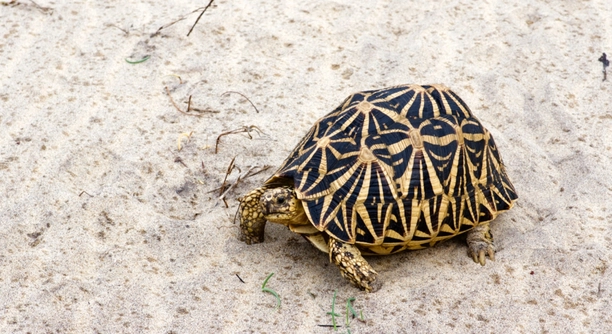
Turtles are fascinating creatures, and their behavior can sometimes be puzzling. One common observation is when a turtle paces the tank. Understanding why this happens is key to ensuring their well-being.
The pacing behavior often stems from stress, boredom, or an inadequate environment. Factors such as water temperature, tank size, and lighting can affect their comfort. Regular stimulation and proper habitat conditions help reduce this repetitive behavior.
Addressing these environmental factors will improve your turtle’s comfort and overall health.
Common Causes of Pacing
One of the main reasons a turtle may pace is stress. Turtles are sensitive creatures, and a lack of suitable conditions in their environment can cause them to feel anxious. Factors such as overcrowded tanks, poor water quality, or the wrong tank temperature can all contribute to this issue. When turtles are stressed, they may start pacing the tank in a repetitive manner, looking for a way out or simply expressing discomfort.
Turtles may also pace if they feel bored. If there are not enough hiding spots, objects to explore, or opportunities for mental stimulation, they may turn to repetitive behaviors to pass the time. Inadequate tank enrichment can lead to frustration, and pacing is a common sign of that.
Providing enrichment such as plants, logs, or rocks can help break this cycle. Along with this, it is essential to check if the tank is large enough for your turtle to move freely. A cramped space can make your turtle feel trapped, leading to excessive pacing. The key is offering a varied, comfortable, and large enough environment where your turtle can thrive.
Improving Tank Conditions
Proper tank conditions are crucial for keeping your turtle calm and content. Ensuring that the water temperature, lighting, and filtration system are ideal can reduce pacing.
Creating a proper tank setup with clean water, adequate space, and a proper heat gradient promotes better behavior. By adding enriching elements, such as basking areas and places to hide, you provide your turtle with a space to feel secure.
Tank Size and Space
If the tank is too small, your turtle will feel confined, and pacing becomes a way to cope with limited space. Turtles need room to move around and explore. A small tank restricts their natural behavior, which can lead to frustration.
A larger tank allows your turtle to swim freely and find different spots to bask, hide, or explore. If you have a baby turtle, it may seem small for now, but as it grows, the tank must grow with it. A 40-gallon tank is a good starting point for most species.
Tank size is essential to avoid overcrowding. Ensure that the space is spacious enough to meet your turtle’s specific needs based on its size. An appropriately sized tank can prevent pacing and reduce stress by allowing your turtle to act naturally. Adding various objects like plants and rocks also creates a more dynamic environment.
Temperature and Lighting
Turtles are cold-blooded, meaning their body temperature relies on the environment. Incorrect water temperature and inadequate lighting can stress them out, resulting in pacing. It is essential to maintain both a warm basking area and a cooler swimming zone.
Invest in a good quality water heater and a UVB light for your turtle. UVB light helps them produce vitamin D3, essential for shell health. Ensure that the water temperature stays between 75°F and 85°F, with a basking spot reaching up to 90°F. When the tank is set up this way, your turtle will feel more at ease.
Boredom and Lack of Stimulation
If your turtle is pacing, it could be because there’s not much to do. Turtles are curious and active creatures. Without enough objects or space to explore, they often resort to repetitive behaviors like pacing.
To solve this, add logs, rocks, and plants. These additions allow your turtle to climb, hide, or simply interact with their environment. Changing things up regularly also helps to keep the tank interesting. Providing different textures and features makes the habitat feel more like a natural setting and reduces boredom.
Overfeeding
Overfeeding can contribute to pacing. When turtles are fed too much, they may feel sluggish or lethargic, which can lead to wandering behavior. They may pace in search of more food or to relieve discomfort from overindulgence.
Control portions and make sure they are getting the proper nutrition. Too many treats or large meals can negatively impact their health, so stick to a balanced feeding schedule.
Poor Water Quality
Dirty water is one of the top reasons for pacing behavior. Turtles are sensitive to water quality, and polluted water can cause stress and health problems. If the water is not properly filtered, your turtle may try to escape or pace around in an attempt to get away from the unpleasant environment.
FAQ
Why is my turtle pacing in its tank?
Turtles pace in their tanks due to various reasons, such as stress, boredom, or discomfort in their environment. Common causes include poor water quality, small tank size, improper temperature, and lack of enrichment. Addressing these factors can reduce pacing and promote your turtle’s well-being.
How do I know if my turtle is stressed?
A stressed turtle may exhibit behaviors such as pacing, hiding more often, or refusing to eat. In some cases, they may become more aggressive or try to escape the tank. Observing your turtle’s eating habits and activity level can help identify signs of stress.
What size tank does my turtle need?
The minimum recommended tank size for most turtles is 40 gallons for a single adult. However, larger species may require even more space. As your turtle grows, you should upgrade the tank size to ensure it has enough room to move and explore.
Can I keep multiple turtles in the same tank?
While it’s possible to house multiple turtles together, it depends on the species and their temperament. Some turtles may become territorial or aggressive, especially if they feel crowded. It’s best to ensure that the tank is large enough for each turtle to have its own space to avoid stress and fighting.
How often should I clean my turtle’s tank?
Turtle tanks should be cleaned at least once a week, including changing a portion of the water. However, if the tank is small or the water gets dirty quickly, you may need to clean it more often. Regular cleaning helps maintain water quality and prevent bacteria buildup.
What temperature should the water be in my turtle’s tank?
The water temperature should be kept between 75°F and 85°F (24°C to 29°C) for most turtle species. The basking area should be warmer, around 90°F (32°C). It’s essential to have a thermometer to monitor the water temperature and adjust the heater as needed.
What type of lighting does my turtle need?
Turtles need UVB lighting to help them produce vitamin D3, which is necessary for shell and bone health. A UVB bulb should be used for 10-12 hours a day, mimicking natural sunlight. Make sure the bulb is positioned correctly, as the UVB rays lose intensity over distance.
How can I enrich my turtle’s tank?
To keep your turtle mentally and physically active, add various objects for exploration. Rocks, logs, floating plants, and hiding spots provide opportunities for climbing, swimming, and basking. Changing the layout occasionally helps to maintain their interest.
Is it normal for my turtle to bask for long periods?
Yes, turtles often bask for extended periods to regulate their body temperature and absorb UVB rays. Basking is a natural behavior, and your turtle should have access to a dry area where it can rest under a heat lamp. Just ensure they aren’t spending too much time out of the water.
Why won’t my turtle eat?
Loss of appetite in turtles can be caused by stress, illness, or poor water quality. If your turtle is refusing food, check its environment, and make sure it has the right temperature and lighting. If the issue persists, a visit to a vet might be necessary.
Can turtles live with fish in the same tank?
Turtles and fish can coexist, but it depends on the species of both. Some turtles may see smaller fish as food, so it’s essential to choose non-threatening species. Additionally, the tank must be large enough for both animals to avoid overcrowding.
What should I feed my turtle?
Turtles require a varied diet that includes both plant and animal matter. You can feed them commercial turtle pellets, leafy greens like kale or dandelion, and occasional protein sources like earthworms, shrimp, or fish. Be sure to avoid feeding them excessive amounts of high-fat or high-protein foods.
How do I prevent my turtle from escaping?
To prevent your turtle from escaping, ensure that the tank has a secure lid or barrier. Turtles are known to be escape artists, so they may try to climb or push through any opening. A tightly fitting lid is essential to keep your turtle safe.
What if my turtle seems lethargic?
Lethargy can indicate stress, illness, or improper environmental conditions. Check the water temperature, ensure the basking area is warm enough, and assess the overall health of your turtle. If the lethargy persists, consult a vet for a thorough examination.
How do I provide proper filtration for my turtle tank?
A good filtration system is crucial for maintaining clean water. Look for a filter rated for a tank size larger than your current setup to ensure it handles the waste effectively. A high-quality filter will reduce the frequency of water changes and help keep your turtle healthy.
How long can a turtle live without food?
Turtles can survive for a few weeks without food, depending on their age, size, and health. However, they should never go without food for extended periods, as this can lead to malnutrition. Regular feeding is necessary to keep them healthy and active.
Final Thoughts
Understanding the reasons behind your turtle’s pacing is essential for ensuring its health and happiness. Many factors can contribute to this behavior, including stress, boredom, and poor living conditions. By carefully observing your turtle’s environment and habits, you can identify potential issues and make changes to create a more comfortable and enriching habitat. A balanced tank with the right temperature, water quality, and space for exploration is key to reducing stress and keeping your turtle content.
Taking steps to address environmental stressors is important, but so is providing mental and physical stimulation for your turtle. Adding items like rocks, logs, and plants can help create a more engaging environment. Regularly changing the layout of the tank can also keep things fresh and interesting for your turtle, reducing the chances of repetitive pacing behavior. If you notice your turtle pacing frequently, check for any signs of illness, as pacing can sometimes indicate a health issue. A visit to the vet can help rule out any underlying medical conditions.
In conclusion, addressing the root cause of your turtle’s pacing is crucial for its well-being. Whether it’s a simple adjustment to its tank setup or more attention to its daily needs, your turtle’s happiness depends on creating the right conditions for it to thrive. Consistently monitoring water quality, maintaining proper lighting and temperature, and offering enrichment activities will help keep your turtle healthy and content. By understanding its behaviors and needs, you can ensure that your turtle enjoys a long, healthy life in its habitat.

Hello,
If you enjoy the content that we create, please consider saying a "Thank You!" by leaving a tip.
Every little bit helps us continue crafting quality advice that supports the health, happiness, and well-being of pets around the world, for pets of all shapes, sizes, and species.
We really appreciate the kindness and support that you show us!