
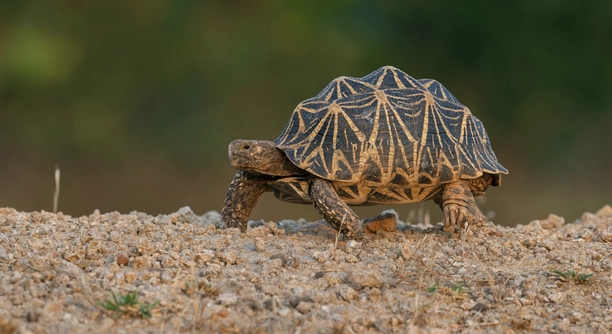
Is your turtle not moving around like it used to? If you’ve noticed your pet becoming sluggish and unresponsive, there could be several reasons for this change in behavior. Turtles rely on specific conditions to stay active and healthy.
Turtles can become lethargic due to various factors, including improper temperature, poor diet, stress, or illness. When their environment is not optimal, they may not have the energy to move around as they normally would.
Understanding these underlying causes can help you identify the problem and get your turtle back to its active self. This guide will provide helpful tips to restore your turtle’s energy and health.
Temperature and Environment
One of the most common reasons for lethargy in turtles is an improper environment, especially when it comes to temperature. Turtles are cold-blooded, which means they rely on their surroundings to regulate their body temperature. If the water or basking area is too cold, they will slow down and may even stop moving altogether. The ideal temperature range for most turtles is between 75°F to 85°F in the water and 85°F to 95°F in the basking area.
Ensure that your turtle’s habitat is heated correctly. You can use water heaters for the tank and heat lamps for basking areas. If their environment is too cool, they won’t be able to digest food properly, and their activity levels will decrease. Keep an eye on the temperature using reliable thermometers to avoid such issues.
Proper lighting is also essential. Turtles need UVB light to absorb calcium and stay active. Without it, they may become lethargic and experience health problems. Check your lighting setup to make sure it supports their needs.
Diet and Nutrition
A lack of proper nutrition can cause a turtle to become sluggish. If their diet is missing essential nutrients, it will impact their energy levels. Turtles require a balanced diet of protein, vegetables, and some fruit, depending on the species. Offering a variety of food will keep them healthy and active.
Turtles who aren’t getting enough food or the wrong kind can become weak and less mobile. Make sure to feed your turtle a diet suited for its species. Too much protein or too many fruits can cause health issues, while a lack of calcium or fiber can lead to lethargy.
If you’re unsure about their diet, research the specific needs of your turtle or consult a vet. It’s important to adjust their food intake based on their age and activity levels to ensure they get the right balance. Overfeeding or underfeeding both lead to problems, so moderation is key.
Stress and Health Issues
Turtles can become lethargic when they are stressed. Stress can come from a variety of sources, including loud noises, a change in environment, or even the presence of other pets. If your turtle feels threatened or uncomfortable, they may retreat into their shell and stay motionless for extended periods. It’s important to observe your turtle’s behavior and make adjustments if they seem anxious.
Health issues can also cause lethargy. Respiratory infections, parasites, and metabolic bone disease are common conditions that affect turtles. If your turtle’s lack of movement persists, it’s a good idea to consult a veterinarian. A health problem might be preventing them from moving around as usual. Addressing these issues early on can help restore your turtle’s energy. Regular vet checkups are essential for keeping your turtle in good health and preventing issues before they worsen.
Improper Tank Setup
An improper tank setup can lead to lethargy in turtles. If the tank is too small or not properly filtered, turtles may become stressed and less active. They need enough space to move around and a clean environment to thrive. Make sure their tank is large enough and equipped with proper filtration.
The water quality is crucial for your turtle’s health. If the water becomes dirty or has high levels of ammonia, your turtle may avoid swimming or moving altogether. Regularly clean the tank and perform water changes to keep it healthy. Use a good filtration system to maintain water cleanliness, and test the water regularly for harmful chemicals.
A lack of hiding spots or an uninteresting environment can also lead to lethargy. Adding rocks, plants, or other objects for your turtle to explore can encourage activity and reduce boredom. A well-planned tank setup will give your turtle the space and stimulation it needs to stay active.
Lack of Exercise
Turtles need regular exercise to stay healthy. If their environment doesn’t provide enough room to move around, they may become inactive. Turtles are naturally curious and enjoy exploring their surroundings. Limiting their space can result in sluggish behavior. Make sure your turtle has enough space in its habitat to swim, climb, and bask.
When out of the tank, giving your turtle some time on land for physical activity can encourage movement. Turtles enjoy roaming in safe, enclosed spaces where they can stretch their legs and explore. This kind of exercise helps maintain muscle tone and keeps them alert.
If your turtle seems uninterested in moving, try adding enrichment activities, such as floating objects or safe toys. These will stimulate your turtle’s natural instincts and keep them engaged. Regular exercise not only prevents lethargy but also promotes overall well-being.
Overheating
Turtles can become lethargic if they get too hot. If the basking area gets too warm or the water temperature rises above the ideal range, your turtle may become stressed and avoid moving. It’s important to regularly check their environment to ensure it stays at the proper temperature.
Heat stress can lead to dehydration and exhaustion, which contributes to lethargy. If your turtle is spending too much time in an overly hot area, adjust the heat source. Providing a cooler zone in the tank can help them regulate their temperature and stay active.
Age and Activity Level
Older turtles naturally become less active as they age. Their metabolism slows down, and they may prefer resting more often. Age-related lethargy is a common occurrence, but it’s essential to monitor your turtle’s overall health to ensure it isn’t caused by other factors.
If your turtle is aging, give them plenty of time to rest. At the same time, keep their environment stimulating to encourage movement. Offer appropriate food and supplements to support their aging body, especially if they are less active than before. Regular check-ups are essential to rule out any health concerns.
Illness and Medical Conditions
If your turtle’s lethargy persists, illness could be a factor. Respiratory infections, shell rot, and metabolic bone disease are common health issues. Symptoms of illness include a lack of appetite, wheezing, or a soft shell. Early detection and treatment can prevent further complications.
If you notice any changes in behavior, such as lack of eating or unusual lethargy, it’s best to take your turtle to a vet. Regular check-ups can help catch any health problems before they worsen, ensuring your turtle remains active and healthy. Always keep a close eye on their condition to avoid long-term issues.
FAQ
What temperature should my turtle’s tank be?
The water temperature for most turtles should be between 75°F and 85°F, while the basking area should be between 85°F and 95°F. This allows your turtle to regulate its body temperature, which is vital for digestion and activity. Using a thermometer will help ensure the temperature stays within the right range. If the tank is too cold or too hot, your turtle will become sluggish and may stop moving around. It’s also important to have a reliable heat source, such as a water heater for the tank and a heat lamp for basking.
How often should I clean my turtle’s tank?
You should clean your turtle’s tank regularly to maintain water quality. A complete tank cleaning should be done every two weeks, but it’s important to perform partial water changes weekly. Remove any waste and debris, as it can cause the water to become dirty quickly. A good filtration system can help keep the water cleaner for longer, but it should still be maintained frequently. Cleaning the tank will not only improve the water quality but also prevent health problems for your turtle.
Can my turtle get too much food?
Yes, turtles can get too much food. Overfeeding your turtle can lead to obesity and lethargy. Make sure you’re offering the right type of food for your turtle’s species and age. Most turtles should eat once a day, and their diet should include a mix of protein, vegetables, and occasional fruits. Feeding your turtle excessive amounts of protein or treats can lead to an imbalance in their diet, affecting their energy levels. Always remove uneaten food from the tank to avoid it decaying and dirtying the water.
How do I know if my turtle is sick?
Sick turtles may show signs of lethargy, lack of appetite, wheezing, or difficulty swimming. If your turtle’s eyes are swollen, discharge from the nose or mouth is visible, or its shell appears soft or has unusual growths, these are signs that it could be unwell. If your turtle is hiding more than usual or not moving, it might indicate stress or illness. If you notice any of these signs, it’s important to take your turtle to a vet for proper diagnosis and treatment.
Why is my turtle not eating?
There are several reasons why a turtle might stop eating. Stress, water temperature issues, and health problems are common causes. If your turtle’s environment is too cold, they may lose their appetite. Illnesses, such as respiratory infections or digestive issues, can also lead to a lack of appetite. If the turtle is a baby, it may be going through a phase where they naturally eat less. You should monitor your turtle’s behavior and ensure the environment is optimal. If they continue to refuse food for more than a few days, a visit to the vet is recommended.
How much light does my turtle need?
Turtles need UVB light to stay healthy. UVB light helps them process calcium, which is essential for strong bones and shells. Without proper lighting, turtles can develop metabolic bone disease, which causes lethargy and weakness. A UVB light source should be placed near the basking area, and it should be replaced every 6-12 months because it loses its effectiveness over time. It’s important to provide around 10-12 hours of light each day to mimic the natural daylight cycle. If your turtle doesn’t have proper UVB lighting, it may not be able to metabolize calcium properly, leading to health problems.
How can I keep my turtle active?
To keep your turtle active, provide a large enough tank that allows plenty of space to swim and explore. Add interesting features like rocks, plants, or logs for your turtle to climb on. Turtles are naturally curious, so offering different textures or hiding spots can encourage them to move around more. If your turtle’s tank environment is limited or uninteresting, they may not feel motivated to be active. Additionally, giving your turtle time out of the tank to explore a safe, enclosed area can help keep them moving. Regular exercise is key to their overall health.
Can a turtle’s lethargy be caused by bullying?
Yes, stress from bullying by other turtles or pets can lead to lethargy. Turtles may become passive or stop moving if they feel threatened. If you have multiple turtles, monitor their interactions and ensure that they have enough space. Overcrowding can lead to aggression, and a turtle being bullied may retreat and refuse to move. You may need to separate the turtles or rearrange the tank to provide more space. If aggression is a constant issue, consider consulting a professional for advice on how to handle social dynamics in your turtle’s environment.
How do I properly maintain my turtle’s health?
To maintain your turtle’s health, ensure they have the right habitat, diet, and lighting. Keep the tank clean and monitor water quality regularly. Provide appropriate UVB lighting and make sure the temperature stays in the right range for your turtle’s species. Regularly check for signs of illness and provide a balanced diet with proteins, vegetables, and occasional fruits. Schedule annual vet visits to monitor your turtle’s health and catch any issues early. Avoid overfeeding or underfeeding, and ensure that your turtle’s environment is stimulating and free from stress.
What should I do if my turtle refuses to bask?
If your turtle refuses to bask, it could be due to the temperature of the basking area being too hot or too cold. Check the temperature and adjust it if needed. The basking area should be warm but not too hot, and your turtle should be able to move in and out of the heat as needed. Another reason for avoiding basking could be poor lighting. Without UVB light, your turtle will not feel comfortable basking. If everything seems fine with the temperature and lighting and your turtle still refuses to bask, consult a vet to rule out health issues.
Final Thoughts
Turtles are fascinating creatures, and it can be concerning when they become lethargic and stop moving as usual. There are many factors that could contribute to this behavior, from temperature and diet to stress and illness. Understanding what your turtle needs in terms of environment, nutrition, and care is crucial for keeping them active and healthy. It’s important to observe your turtle closely and ensure that their tank is set up correctly, with the right temperature, lighting, and space to move. A well-maintained environment is key to preventing issues like lethargy and encouraging natural behaviors.
Proper diet and nutrition play a significant role in your turtle’s energy levels. Offering a balanced diet with the right mix of protein, vegetables, and occasional fruit is essential for keeping your turtle healthy. Too much or too little of certain foods can lead to problems, such as sluggishness or weight gain. Regular feeding times and removing any uneaten food will help maintain the cleanliness of the tank and ensure your turtle stays nourished. If you’re unsure about your turtle’s diet, it’s always a good idea to consult a vet for guidance, especially if your turtle seems uninterested in food.
Lastly, keep in mind that some degree of lethargy is normal, especially as turtles age. Older turtles may slow down and prefer resting more than when they were younger. However, if lethargy persists or is accompanied by other symptoms like a lack of appetite, trouble swimming, or visible changes in behavior, it’s important to seek medical advice. Your turtle’s well-being depends on your careful attention to its needs. By maintaining a proper environment, offering the right food, and addressing any health concerns, you can help your turtle stay healthy, active, and happy. Regular vet check-ups are also an important part of ensuring your turtle’s long-term health.

Hello,
If you enjoy the content that we create, please consider saying a "Thank You!" by leaving a tip.
Every little bit helps us continue crafting quality advice that supports the health, happiness, and well-being of pets around the world, for pets of all shapes, sizes, and species.
We really appreciate the kindness and support that you show us!