
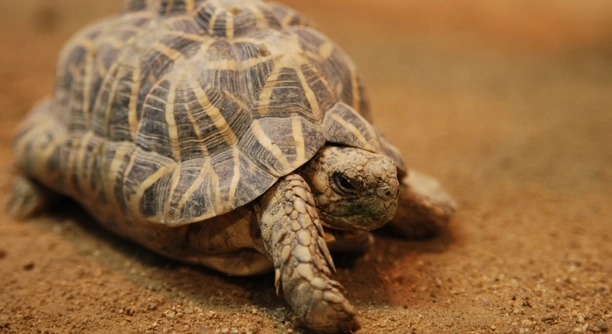
Are your turtle’s scutes peeling more than usual, leaving you concerned about their health? Excessive shedding can be a sign of environmental issues, improper diet, or underlying health conditions that need attention.
The best way to reduce shedding in turtles is by maintaining proper water quality, providing a balanced diet rich in calcium and vitamins, and ensuring optimal basking conditions. These factors support healthy shell growth and prevent excessive or abnormal scute shedding.
Keeping your turtle’s shedding under control is essential for their overall well-being. Understanding the key causes and solutions will help you create a healthier environment for your shelled companion.
Maintain Proper Water Quality
Clean water is essential for a turtle’s health. Dirty water can lead to bacterial infections, shell rot, and excessive shedding. A high-quality filtration system removes waste, uneaten food, and harmful bacteria. Regular water changes help keep ammonia and nitrate levels low, preventing irritation to your turtle’s shell and skin. Test the water weekly to ensure proper pH and chemical balance. The ideal water temperature varies depending on the species, but most aquatic turtles thrive in temperatures between 75°F and 80°F. Maintaining clean water reduces stress and promotes healthy shell growth.
A well-maintained tank prevents shedding issues before they start. Make sure to remove uneaten food promptly and clean the substrate regularly. Avoid overcrowding the tank, as multiple turtles can increase waste buildup. A properly cycled tank with stable water parameters provides a safe and comfortable environment.
Even with a good filter, water changes are necessary. Replace about 25% of the water weekly to remove toxins and replenish beneficial minerals. Using a water conditioner helps neutralize chlorine and heavy metals, making tap water safe for turtles. Investing in a reliable filter and staying consistent with tank maintenance will significantly reduce excessive shedding.
Provide a Balanced Diet
A poor diet can lead to unhealthy shedding. Turtles need a mix of proteins, vegetables, and commercial pellets to get essential nutrients. Calcium and vitamin D3 are especially important for shell health. Without them, the scutes may not shed properly.
Feeding a variety of nutrient-rich foods ensures proper shell development. Leafy greens like kale and dandelion provide vitamins, while insects, fish, and pellets supply protein. Calcium supplements, such as cuttlebone or calcium blocks, help strengthen the shell. A lack of vitamin D3 can cause metabolic bone disease, leading to abnormal shedding. To prevent this, ensure your turtle has access to UVB lighting, which helps process calcium effectively.
Overfeeding can also cause problems. Too much protein may lead to rapid growth, resulting in irregular shedding and shell deformities. Stick to a feeding schedule appropriate for your turtle’s age and species. Young turtles need more protein, while adults thrive on a more plant-based diet. Watching portion sizes and choosing quality foods will keep shedding under control and support overall health.
Ensure Proper Basking Conditions
Turtles need a warm, dry basking area to regulate their body temperature and maintain healthy shells. Without proper basking, excess moisture can lead to infections and abnormal shedding. A basking spot should be easily accessible and kept at the right temperature for your turtle’s species.
The basking area should be between 85°F and 95°F, depending on the type of turtle. A high-quality heat lamp will provide the necessary warmth, while a UVB bulb ensures proper calcium absorption. Without UVB exposure, turtles can develop weak shells, leading to improper shedding. Position the bulbs at an appropriate distance to avoid overheating or burns.
A dry, clean basking platform prevents excessive moisture buildup on the shell. Wet shells can encourage fungal infections, which contribute to shedding problems. Regularly check and replace bulbs to maintain proper heat and UVB output. A well-maintained basking setup promotes strong, healthy shell growth.
Keep Humidity at a Safe Level
Too much humidity can cause fungal infections, while low humidity may lead to shell cracking and improper shedding. The ideal humidity level depends on the species, but most aquatic turtles do well with moderate humidity levels that mimic their natural environment. A hygrometer helps monitor and maintain the right conditions.
If the enclosure is too dry, consider adding a humid hide with damp sphagnum moss to provide temporary moisture. For turtles needing lower humidity, ensure proper ventilation to prevent excess moisture buildup. Frequent misting may be necessary for semi-aquatic species, but avoid overdoing it, as too much moisture can lead to bacterial growth. Keeping the humidity balanced supports smooth and healthy scute shedding.
Minimize Stress Levels
Frequent handling, loud noises, and sudden changes in the environment can stress turtles, leading to health issues and excessive shedding. Keeping their habitat stable and handling them only when necessary helps reduce stress. A calm and predictable environment promotes healthy shell growth and overall well-being.
Sudden temperature drops or overcrowding can also contribute to stress. Ensure the enclosure remains at a consistent temperature and provide enough space for your turtle to move freely. If multiple turtles share a tank, monitor for aggression, as bullying can cause stress and impact shedding patterns.
Treat Any Infections Promptly
Shell infections can cause irregular shedding and damage if left untreated. Fungal or bacterial infections often appear as white patches, soft spots, or foul odors. Keeping the enclosure clean and ensuring proper basking conditions helps prevent infections from developing in the first place. If signs of infection appear, treatment should start immediately.
Avoid Overhandling
Turtles are not social animals and do not enjoy excessive handling. Picking them up too often can cause stress, making them more prone to shedding issues. Limiting handling to necessary interactions, like tank cleaning or health checks, helps keep them comfortable and reduces unnecessary stress.
FAQ
Why is my turtle shedding more than usual?
Excessive shedding can be caused by several factors, including poor water quality, lack of proper UVB exposure, stress, or an imbalanced diet. Turtles shed their scutes as part of their natural growth cycle, but when these factors aren’t ideal, it may cause more frequent or abnormal shedding. Pay close attention to their environment and health to pinpoint the cause.
How can I tell if my turtle’s shedding is abnormal?
Abnormal shedding typically involves scutes that come off in large patches or expose soft spots or discoloration on the shell. If your turtle is experiencing redness, swelling, or if the shell appears infected, this may indicate an underlying issue that needs attention. Also, irregular shedding without a clear pattern is a sign to consult with a vet.
Can I prevent my turtle from shedding?
Shedding is a natural process for turtles, so it can’t be fully prevented. However, you can control the conditions that make shedding more frequent or unhealthy. Proper care, such as a clean tank, balanced diet, optimal basking conditions, and minimal stress, can help ensure that shedding is healthy and appropriate for their growth.
Should I be worried if my turtle sheds its scutes?
Shedding scutes is completely normal for a turtle, as it allows their shell to grow. This process occurs as they mature, and new scutes form beneath the old ones. However, if the scutes are shedding irregularly or if there are signs of infection, it may be a sign of a health problem. Always observe your turtle and consult a vet if you’re unsure.
How often do turtles shed their scutes?
Turtles typically shed their scutes every few months, but the frequency can vary depending on their age, species, and overall health. Young turtles tend to shed more frequently as they grow, while older turtles may shed less often. If you notice your turtle shedding excessively, it could be a sign of an issue that needs attention.
Can poor diet affect my turtle’s shedding?
Yes, a poor diet can significantly impact your turtle’s shell health and shedding process. A lack of essential nutrients like calcium and vitamin D3 can cause weak shell growth, leading to improper shedding. A well-rounded diet with a mix of protein, leafy greens, and calcium supplements helps support proper shedding.
What should I do if my turtle’s shell looks soft or damaged?
If your turtle’s shell appears soft, damaged, or has holes, it could be a sign of metabolic bone disease or infection. Ensure your turtle gets adequate UVB lighting to process calcium properly. Consult with a vet for diagnosis and treatment. In severe cases, your turtle may need medical intervention or shell repair.
Is it normal for my turtle to lose patches of scutes at once?
It is normal for turtles to lose their scutes in patches, as they naturally shed them in pieces rather than all at once. However, if the shedding is excessive or occurs unevenly, it could indicate an underlying problem. If your turtle’s shell looks unhealthy after shedding, consider adjusting their environment or diet, and seek professional advice if needed.
How do I treat shell infections in turtles?
If you suspect your turtle has a shell infection, it’s crucial to act quickly. Keep their environment clean, and make sure they have access to proper basking and UVB light. Infections can often be treated with topical antibiotics or antifungal treatments prescribed by a vet. Never ignore signs of infection, as untreated conditions can worsen.
Can I handle my turtle after it sheds?
You can handle your turtle after shedding, but it’s essential to avoid excessive handling, as it can cause stress and affect their health. If your turtle is shedding scutes, try to give it time to rest and recover. Only handle your turtle when necessary, such as during health checks or tank cleaning.
How do I know if my turtle is stressed?
Turtles show stress in various ways, such as hiding more frequently, eating less, swimming erratically, or basking excessively. Stress can also lead to abnormal shedding. Ensure that your turtle’s habitat is quiet, stable, and not overcrowded. Avoid sudden changes in their environment, such as temperature fluctuations or new tankmates, which can trigger stress.
What type of lighting does my turtle need to reduce shedding?
Proper UVB lighting is crucial for a turtle’s shell health. UVB light helps your turtle absorb calcium, which is essential for strong, healthy shells. Make sure to provide a UVB bulb that covers at least a portion of the basking area. Replace the bulb every 6 to 12 months, as UVB output diminishes over time.
Can shedding be a sign of an infection or disease?
Yes, excessive shedding can sometimes be a sign of an infection or illness. If your turtle is shedding abnormally or has visible signs of infection, such as a soft shell or unusual color changes, it’s important to get them checked by a vet. Early treatment can prevent further health problems and ensure your turtle’s well-being.
Do all turtles shed the same way?
No, different species of turtles shed their scutes in slightly different ways. Some turtles may shed more frequently, while others shed less often. The type of environment, diet, and even age can affect how and when a turtle sheds. It’s important to research your turtle’s species to understand their natural shedding cycle.
What should I do if my turtle’s shell is peeling?
If your turtle’s shell is peeling in small, normal patches, this is likely just part of the natural shedding process. However, if the peeling appears excessive or accompanied by signs of infection, consult a veterinarian. Maintaining proper water conditions, diet, and UVB exposure can help prevent problems related to peeling.
Can a turtle’s age affect its shedding?
Yes, age plays a significant role in how often a turtle sheds. Young turtles typically shed more frequently as they grow, while adult turtles shed less often. As turtles age, their shells become more stable, so shedding occurs less frequently but still as a natural part of their growth cycle.
Final Thoughts
Turtles naturally shed their scutes as they grow, but it’s important to ensure their environment and care are properly managed to support this process. While shedding is a normal and healthy part of a turtle’s life cycle, excessive or abnormal shedding may signal underlying issues. Maintaining clean water, providing a balanced diet, ensuring proper basking and UVB light, and reducing stress are essential for your turtle’s well-being and will help regulate shedding.
If you notice your turtle shedding more than usual or if the scutes appear abnormal, it’s a good idea to evaluate their living conditions and diet. Turtles need the right amount of warmth, humidity, and exposure to UVB light for healthy shell development. Calcium and vitamin D3 are particularly important for strong, resilient shells that shed properly. Ensuring that your turtle’s habitat is stable and free of stressors will also go a long way in reducing health issues related to shedding.
Remember, turtles are sensitive creatures, and their needs may vary depending on species, age, and environment. While some shedding is completely natural, it’s important to be mindful of changes in behavior or appearance. Regular health checks, proper diet, and consistent care will help keep your turtle healthy, happy, and shedding in a way that supports their growth and shell health.

Hello,
If you enjoy the content that we create, please consider saying a "Thank You!" by leaving a tip.
Every little bit helps us continue crafting quality advice that supports the health, happiness, and well-being of pets around the world, for pets of all shapes, sizes, and species.
We really appreciate the kindness and support that you show us!