
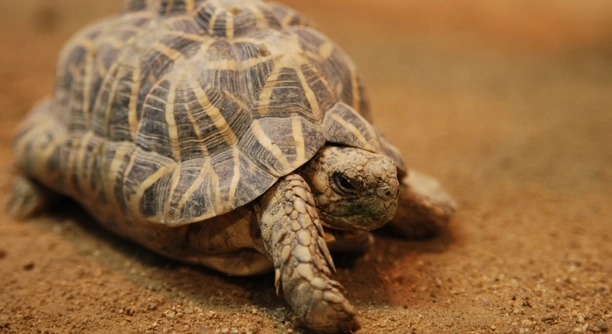
Turtles are fascinating creatures, and their behaviors can be intriguing. One common action that might catch your attention is when they stretch their necks. This behavior often leaves turtle owners wondering what it means.
Turtles stretch their necks as part of their natural behavior, whether to reach for food, explore their surroundings, or even as a way to express relaxation. It is a normal and healthy movement in most cases.
Understanding why your turtle stretches its neck can help you monitor their health and well-being. There are several reasons behind this action, and each one offers insight into your turtle’s lifestyle.
Natural Behavior of Turtles
Turtles often stretch their necks as part of their natural behavior. It can be a sign that they are exploring or trying to get a better view of their surroundings. Stretching their necks can also be a way for them to reach for food or drink. This is particularly common in turtles that are housed in tanks with limited space. Stretching helps them find what they need, whether it’s food, water, or just a new area to explore. When turtles feel safe and comfortable, they may stretch their necks more freely.
These movements are part of the turtle’s instincts to adapt to their environment. This behavior isn’t always a cause for concern unless other signs of discomfort are present.
If your turtle is stretching its neck frequently, it may simply be a way of staying active and engaged. As long as they’re eating, swimming, and behaving normally, this action is just one part of their routine. However, it is important to keep an eye out for any changes in behavior, as those might indicate stress or discomfort.
Health Concerns
Occasionally, excessive neck stretching may be related to health issues.
If a turtle appears to stretch its neck repeatedly or excessively, it could be a sign of respiratory issues. Turtles with respiratory infections often stretch their necks to try to clear their airways. If you notice other symptoms, such as wheezing, a runny nose, or lethargy, these could indicate an underlying health problem. It’s crucial to observe your turtle’s overall behavior and consult a vet if these signs persist.
In some cases, turtles may stretch their necks when they feel stressed. Stress can result from changes in the environment, such as water temperature fluctuations, poor water quality, or the presence of a new tank mate. A turtle that feels threatened or anxious may stretch its neck as a way to assess its surroundings or try to escape from perceived danger. Addressing environmental factors or any changes in the tank setup can help alleviate stress.
If you notice more than just neck stretching, it’s always a good idea to get a professional opinion to ensure your turtle stays healthy.
Environmental Factors
The environment plays a big role in a turtle’s behavior. If the temperature or water quality isn’t right, turtles may stretch their necks more often. This can be a way for them to adjust and find a more comfortable spot.
Turtles are highly sensitive to changes in their environment. If the water temperature is too high or low, they may stretch their necks to feel more comfortable. Similarly, poor water quality can cause stress, leading to more frequent stretching. Inadequate lighting or improper tank size can also affect their behavior, causing them to stretch their necks to explore areas they are not familiar with. A proper habitat setup helps minimize these issues.
It’s important to maintain a stable environment for your turtle. Regularly check the water’s temperature and clarity, as well as ensuring your turtle has access to UVB lighting. This can help reduce unnecessary neck stretching caused by discomfort. A happy and well-cared-for turtle will generally stretch its neck less due to environmental stressors.
Turtles and Feeding Habits
Feeding time may trigger neck stretching in your turtle.
When it’s time to eat, turtles often stretch their necks as they reach for food or eagerly investigate their surroundings. They may also stretch their necks to show excitement or to get a better view of the food. Depending on their feeding habits, some turtles may even stretch their necks longer than usual when they detect food in the water. This is completely normal and usually harmless.
If your turtle’s neck stretching becomes more frequent around feeding times, it may be a sign that they are hungry or searching for food. It’s important to feed your turtle a balanced diet, whether you offer them live food, commercial pellets, or vegetables. Overfeeding can cause them to stretch their necks in search of more food, so make sure to follow proper feeding guidelines.
Turtles and Their Natural Instincts
Turtles rely on their instincts to navigate their surroundings. Stretching their necks can be an expression of curiosity, as they often do it to explore or assess their environment.
They may stretch to get a better view of their surroundings or to identify potential threats. This behavior is completely natural and helps them understand their environment more clearly. It also allows them to be alert to changes in their habitat, such as movement or sounds. So, stretching is often just your turtle’s way of staying aware.
Stress and Anxiety
Turtles may stretch their necks when feeling stressed or anxious.
When turtles are stressed, whether from a change in their environment or from being handled too much, they might stretch their necks in an attempt to calm themselves or assess the situation. Reducing stressors like loud noises, excessive handling, or overcrowding can help minimize this behavior.
Stretching and Social Behavior
Some turtles stretch their necks as a form of social behavior.
In the wild, turtles often stretch their necks when they encounter other turtles, signaling either interest or a display of dominance. In captivity, your turtle might stretch its neck if it notices another turtle in the tank. If you have more than one turtle, this could be a sign of curiosity or an attempt to communicate.
FAQ
Why does my turtle keep stretching its neck?
Turtles often stretch their necks as part of natural behavior. It’s typically a way for them to explore their environment or reach for food. If the stretching is occasional and they seem active and healthy otherwise, it’s just a normal action. However, excessive neck stretching may sometimes indicate stress or health issues. If the stretching seems excessive or if accompanied by other signs of illness, it’s worth considering a visit to the vet.
Is neck stretching a sign of a health problem in turtles?
Neck stretching can sometimes be a sign of a health problem, particularly if it’s frequent and paired with other symptoms like lethargy, respiratory issues, or unusual behavior. If your turtle appears to be struggling while stretching its neck or has difficulty breathing, it could be dealing with a respiratory infection. A veterinarian can help determine whether the behavior is related to health issues.
How can I tell if my turtle is stressed?
If your turtle is stretching its neck excessively, it may be a sign of stress, especially if it’s constantly looking for something or seems restless. Other signs of stress can include a lack of appetite, hiding, or erratic swimming. Stress often comes from environmental factors like poor water quality, tank overcrowding, or temperature fluctuations. Ensuring your turtle’s habitat is well-maintained can help reduce stress.
Does neck stretching happen when a turtle is trying to get food?
Yes, neck stretching can happen when a turtle is hungry or looking for food. Turtles stretch their necks to reach food or when they detect food nearby. It’s a normal and natural response, especially during feeding times. It’s important to feed your turtle a balanced diet and avoid overfeeding, as they might stretch their necks more often if they’re constantly searching for food.
Can neck stretching indicate my turtle is trying to escape its tank?
Turtles may stretch their necks as they search for a way out, especially if they’re feeling cramped or stressed in their tank. If your turtle keeps stretching its neck while looking for an exit, it might be a sign that the tank is too small or its environment is uncomfortable. It’s essential to make sure your turtle has enough space to roam and that their habitat is suitable for their needs.
How can I reduce my turtle’s neck stretching?
Reducing neck stretching starts with addressing the underlying cause. If it’s caused by environmental stress, check the water quality, temperature, and lighting to ensure everything is optimal. Make sure the tank is large enough, and provide your turtle with a comfortable hiding space. Also, maintain a regular feeding schedule and avoid overfeeding.
Do all turtles stretch their necks in the same way?
Not all turtles stretch their necks in the same manner. Some may extend their necks in a short, quick movement, while others might do it more slowly or extend their necks longer. This behavior can vary depending on the species, the size of the turtle, and the environment it’s in.
How often should my turtle be stretching its neck?
The frequency of neck stretching in turtles depends on their age, species, and environment. Young turtles may stretch their necks more often as they explore their surroundings. Adult turtles may stretch less frequently, though they will still stretch from time to time to reach food or check their environment. As long as they are not stretching excessively, this behavior is considered normal.
Can temperature affect neck stretching in turtles?
Yes, temperature can play a significant role in neck stretching behavior. If the water temperature is too hot or too cold, your turtle may stretch its neck to adjust its position or to feel more comfortable. Ensure that the water temperature is within the recommended range for your specific species to reduce stress-related neck stretching.
Is there a connection between neck stretching and the turtle’s age?
Younger turtles tend to stretch their necks more often as part of their exploratory behavior. As they grow, neck stretching may become less frequent, but it doesn’t stop altogether. Adult turtles may still stretch their necks when reaching for food, when curious about their environment, or as a response to changes in their habitat.
Should I be concerned if my turtle stretches its neck frequently?
Frequent neck stretching in itself is not necessarily a cause for concern, especially if it’s happening during feeding times or when your turtle is simply exploring. However, if the stretching becomes excessive and is combined with other signs like a lack of appetite or breathing difficulties, it could be an indication of a health problem. Keep an eye on your turtle’s behavior and seek veterinary advice if you notice anything unusual.
Final Thoughts
Turtles stretching their necks is a common and natural behavior that can occur for various reasons. It may be due to exploration, curiosity, or a response to environmental changes. As long as your turtle is healthy, eating well, and active, there’s no need to worry about occasional neck stretching. This movement is simply part of how they interact with their surroundings, and it’s a sign of their comfort and natural instincts. Most of the time, it is nothing to be concerned about.
However, if you notice your turtle stretching its neck more frequently or if it’s accompanied by other signs of illness like lethargy, difficulty breathing, or changes in eating habits, it might be worth looking closer at its health. A common reason for excessive neck stretching is respiratory issues, which are not uncommon in turtles. Environmental factors, such as poor water quality, incorrect temperatures, or overcrowded living spaces, can also contribute to stress and lead to behaviors like neck stretching. It’s always important to pay attention to any changes in your turtle’s behavior to ensure their well-being.
In most cases, keeping your turtle’s habitat clean, at the right temperature, and well-lit will reduce unnecessary stress. Providing a balanced diet and enough space for your turtle to move around comfortably also contributes to its overall health and reduces any chances of excessive neck stretching. Regular check-ups with a veterinarian can help detect any hidden health issues early on. By paying attention to your turtle’s needs and environment, you’ll be able to keep them happy and healthy for years to come.

Hello,
If you enjoy the content that we create, please consider saying a "Thank You!" by leaving a tip.
Every little bit helps us continue crafting quality advice that supports the health, happiness, and well-being of pets around the world, for pets of all shapes, sizes, and species.
We really appreciate the kindness and support that you show us!