
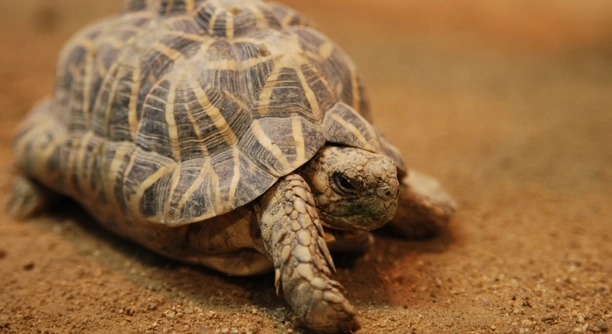
Keeping your turtle happy and healthy involves creating the right habitat for it. One of the most important parts of their tank setup is choosing the right substrate. A proper substrate promotes natural behavior and helps maintain cleanliness.
When selecting a substrate for a turtle tank, it is crucial to choose materials that are safe, comfortable, and easy to maintain. Safe substrates prevent potential injuries or digestive issues while offering the right environment for your turtle to thrive.
Choosing the right substrate makes a big difference in maintaining a clean and healthy tank for your turtle. Understanding the options can help you create a comfortable space for your pet to live.
1. Gravel: A Classic Choice for Turtle Tanks
Gravel is one of the most common substrates used in turtle tanks. It’s inexpensive and easy to clean, which makes it a practical option for many turtle owners. The small, smooth stones offer a natural look that mimics a turtle’s natural habitat. Gravel is also great for providing a solid base for plants and decorations. When choosing gravel, it’s important to pick smooth, rounded stones to avoid injury. Sharp rocks or gravel with jagged edges can harm your turtle if they try to dig or move around.
Gravel offers a decent balance between aesthetics and function. It helps keep the tank clean while allowing your turtle to behave naturally.
While gravel is an excellent choice, it requires regular cleaning to prevent debris buildup. Over time, uneaten food or waste can accumulate, leading to water quality issues. Regular maintenance and periodic changes of the gravel can help avoid problems. Many turtles enjoy burrowing through the gravel, which can help simulate their behavior in the wild.
2. Sand: A Soft Substrate for Turtles
Sand can be a good option for turtles who enjoy burrowing. It’s soft on their shells and allows them to engage in natural behaviors like digging and burying food. Sand is a versatile substrate, offering a more natural aesthetic while remaining relatively easy to clean.
If you decide to use sand, it’s best to choose fine sand. Coarse sand can be uncomfortable for your turtle and may lead to digestive issues if ingested. Sand also has a tendency to get stirred up in the water, which can make the tank look cloudy if not maintained properly.
One downside of sand is that it can easily be disturbed, causing the tank to become messy quickly. If you choose sand, consider setting up a filter system that can handle sand particles. You’ll also need to spot-clean regularly to prevent waste from mixing in. With proper care, sand can provide a comfortable environment for your turtle.
3. Coconut Husk: A Natural and Safe Substrate
Coconut husk is an eco-friendly and natural substrate option for turtles. It offers a soft texture and excellent moisture retention. Coconut husk also creates a natural look, making it an appealing choice for many turtle owners. It’s particularly well-suited for aquatic turtles who need humidity in their environment.
While coconut husk can be a great substrate, it can retain moisture, which may lead to mold or bacteria growth if not kept clean. It’s important to regularly check the tank and ensure the substrate isn’t too wet. Spot cleaning helps prevent buildup, and you may need to replace the husk periodically.
Coconut husk provides a soft surface for your turtle and allows them to dig or burrow comfortably. However, it’s crucial to make sure it’s dry enough to avoid issues with mold. If you use coconut husk, you should check the humidity levels in the tank to prevent the substrate from becoming overly damp. A consistent cleaning routine is essential for maintaining its effectiveness.
4. Slate: Durable and Safe Option for Turtles
Slate is a non-toxic, durable material that can be used as a substrate in turtle tanks. It’s easy to clean and doesn’t absorb moisture, making it a low-maintenance choice. Slate provides a solid surface for turtles to walk on without causing harm.
One benefit of using slate is that it’s long-lasting and won’t break down or become messy like some other substrates. It also creates a smooth surface that helps maintain water quality by preventing debris buildup. Slate is particularly beneficial in tanks with heavier filtration systems because it’s less likely to disturb the flow of water.
However, one drawback of slate is that it may not provide the natural look that some turtle owners desire. It also lacks the soft texture of sand or coconut husk, so turtles that enjoy burrowing might not find it as appealing. Despite this, slate remains a strong, reliable choice.
5. Pebbles: A Simple and Practical Choice
Pebbles are easy to find and offer a solid, stable substrate. They help with water circulation and can keep the tank looking natural. Pebbles come in different sizes, so you can choose according to your turtle’s needs.
However, it’s important to select smooth pebbles to avoid injury. Sharp edges can harm your turtle’s feet or shell. Pebbles also need to be cleaned regularly to prevent waste buildup. Spot cleaning can help, but over time, the pebbles may need to be replaced if they become too dirty.
6. Artificial Turf: Low Maintenance and Comfortable
Artificial turf offers a soft, non-abrasive surface for turtles. It’s low maintenance because it doesn’t require frequent cleaning like other substrates. Artificial turf also provides a safe place for turtles to rest and move around without worrying about sharp edges or discomfort.
While artificial turf doesn’t mimic natural environments as closely as some other substrates, it can still be effective in providing comfort for your turtle. It’s easy to install and can be cut to fit the size of your tank. Some artificial turfs even come with drainage, which helps with water flow.
7. Ceramic Tiles: Easy to Clean and Safe
Ceramic tiles offer a hard, flat surface that is easy to clean. They’re smooth and won’t irritate your turtle’s feet or shell, making them a safe option. Tiles also provide excellent drainage and don’t hold onto waste or moisture.
FAQ
What is the best substrate for aquatic turtles?
For aquatic turtles, the best substrate often depends on the specific needs of the turtle. Sand is a popular choice because it allows turtles to engage in natural behaviors, like digging. Coconut husk is another great option due to its ability to retain moisture, creating a comfortable environment. Slate and pebbles are durable, low-maintenance options, but they don’t offer the same burrowing opportunities. Ultimately, the best substrate will depend on your turtle’s preferences and the ease of maintenance you are looking for.
Can I use gravel for a turtle tank?
Yes, gravel is commonly used in turtle tanks. It is affordable and provides a stable surface for turtles to walk on. However, it’s important to choose smooth, rounded gravel. Sharp gravel can cause injuries to your turtle’s feet or digestive system if ingested. Keep in mind that gravel requires regular cleaning to ensure it doesn’t trap waste or debris.
Is sand safe for turtles?
Sand can be safe for turtles if used correctly. It’s a natural material and allows turtles to burrow, mimicking their natural habitat. However, only fine sand should be used, as coarse sand may cause injury or digestive problems if ingested. Regular cleaning is essential to prevent the sand from becoming too dirty or compacted.
How often should I clean the substrate in a turtle tank?
Cleaning the substrate depends on the type you use. Generally, you should spot clean the tank daily to remove waste and leftover food. For sand or gravel, a full clean may be necessary every few weeks, while coconut husk or artificial turf may need to be replaced every few months. Regular cleaning ensures your turtle’s environment stays healthy and prevents the buildup of harmful bacteria.
Can I use artificial plants with substrates?
Yes, artificial plants can be used with any substrate. They add decoration and create hiding spots for your turtle, but make sure to choose plants that are non-toxic and easy to clean. Artificial plants can complement the look of your tank and provide your turtle with a more comfortable space. Just be sure the plants don’t have sharp edges that could harm your turtle.
Should I use a filter with the substrate?
Using a filter is essential for maintaining water quality in your turtle’s tank, regardless of the substrate. Substrates like sand or gravel can trap waste and food, which can affect water quality if not cleaned regularly. A good filter will help keep the water clear, and in some cases, it can reduce the amount of cleaning needed for the substrate.
Can I mix different types of substrate?
You can mix different types of substrates, but you should be cautious. Some turtles may prefer one texture over another, and mixing substrates could make cleaning more difficult. For example, combining sand and gravel may lead to particles mixing together, causing a mess. It’s best to choose one type of substrate that suits your turtle’s needs and stick with it.
What are the pros and cons of using coconut husk?
Coconut husk has a soft texture that turtles enjoy, and it’s good at retaining moisture. This makes it ideal for species that require a humid environment. However, coconut husk can hold too much moisture if not cleaned regularly, leading to mold or bacteria. It also doesn’t allow for much filtration, so it’s important to ensure the tank is maintained carefully.
Can I use natural rocks in a turtle tank?
Natural rocks can be used in a turtle tank, but make sure they are smooth and non-toxic. Sharp edges can injure your turtle, and some rocks may affect water quality. It’s also important to clean the rocks before adding them to the tank to avoid introducing harmful bacteria.
Is slate safe for turtles?
Yes, slate is a safe and durable substrate for turtles. It’s smooth, easy to clean, and doesn’t trap debris, which helps maintain good water quality. Slate also provides a hard surface that allows your turtle to move freely. However, some turtles may not enjoy it as much as softer substrates like sand.
How do I prevent mold or bacteria buildup in the substrate?
To prevent mold or bacteria buildup, it’s important to keep the substrate clean and dry. Remove waste and leftover food daily, and change the substrate regularly. Using a good filter also helps by maintaining water quality. For substrates that retain moisture, like coconut husk or sand, spot clean more frequently to avoid excess moisture buildup.
Can I use ceramic tiles as a substrate?
Ceramic tiles can be used as a substrate, especially for turtles that prefer a hard, flat surface. They are easy to clean and do not hold onto moisture or waste, making them a hygienic choice. However, tiles don’t allow for burrowing, so turtles that enjoy digging may not find them ideal.
Are there any substrates that should be avoided for turtles?
Some substrates should be avoided for turtles, such as those with sharp edges (e.g., crushed coral or sharp gravel). These can injure your turtle or cause digestive problems if ingested. Avoid substrates with harmful chemicals, such as treated wood chips, or those that can negatively affect water quality, like non-porous materials that trap waste. Always choose non-toxic, turtle-friendly options.
Can I use river rocks in my turtle tank?
River rocks can be used, but they need to be smooth and free from any sharp edges. They also must be thoroughly cleaned to ensure no harmful substances are present. River rocks are a good way to add natural beauty to the tank while maintaining a stable, low-maintenance surface for your turtle.
How do I choose the right substrate for my turtle tank?
Choosing the right substrate depends on your turtle’s species, behavior, and habitat needs. If your turtle enjoys burrowing, sand or coconut husk may be ideal. For turtles that prefer solid surfaces, slate or ceramic tiles are better. Consider cleaning and maintenance needs when making your decision, and always ensure the substrate is safe and comfortable for your pet.
Final Thoughts
Choosing the right substrate for your turtle tank is essential to creating a healthy and comfortable environment for your pet. Different substrates offer unique benefits, and the best option will depend on your turtle’s species and natural behaviors. Some turtles enjoy burrowing, so materials like sand or coconut husk may be perfect for them. Others might prefer a solid surface like slate or ceramic tiles for easier movement. Ultimately, it’s important to consider your turtle’s needs and the ease of maintenance when selecting a substrate.
Maintenance is a key factor in keeping the substrate clean and your turtle’s environment safe. Substrates like sand or coconut husk require more attention, as they tend to retain moisture and may become dirty quickly. Gravel and slate, on the other hand, are easier to clean but might not offer the same natural behaviors that sand or coconut husk provide. Regardless of the substrate you choose, regular spot cleaning and proper filtration are essential to maintain good water quality and prevent harmful bacteria or mold buildup.
Lastly, always prioritize your turtle’s safety and comfort. Avoid substrates with sharp edges or materials that could harm your turtle if ingested. Also, remember that not all turtles have the same preferences, so it may take some time to find the right substrate. With proper care and attention, your turtle can thrive in a safe and comfortable environment that mimics its natural habitat.

Hello,
If you enjoy the content that we create, please consider saying a "Thank You!" by leaving a tip.
Every little bit helps us continue crafting quality advice that supports the health, happiness, and well-being of pets around the world, for pets of all shapes, sizes, and species.
We really appreciate the kindness and support that you show us!