
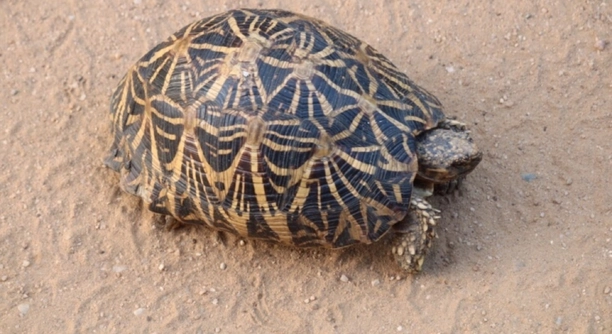
Encouraging your turtle to eat more greens can sometimes be challenging, but with the right techniques, you can make a positive change. Healthy greens are essential for their overall well-being and long-term health. Here’s how to improve their diet.
One effective way to encourage your turtle to eat more greens is by offering a variety of fresh vegetables. Turtles may have specific preferences, and rotating the greens can make meals more interesting. Additionally, mixing greens with some fruits or proteins may increase their appeal.
Incorporating these methods into your turtle’s routine can help improve their diet and ensure they receive essential nutrients for healthy growth.
1. Offer a Variety of Greens
Turtles can be picky eaters, but providing a variety of greens is an easy way to spark their interest in healthy foods. Try offering different types of leafy vegetables, such as kale, dandelion greens, and collard greens. This ensures your turtle gets a broad range of nutrients. Additionally, the change in texture and flavor keeps their meals exciting and helps prevent them from becoming bored with the same food. You can also mix in some soft herbs like parsley or cilantro to add variety. Be sure to remove any wilted leaves, as they lose their nutritional value.
If you notice your turtle is ignoring certain greens, don’t hesitate to try other options. Regularly switching up the greens can encourage them to try something new.
Make sure to wash the greens thoroughly before feeding. This will remove any chemicals or dirt that could be harmful to your turtle. By creating a routine of offering diverse greens, you can promote a healthy and balanced diet.
2. Combine Greens with Favorite Treats
Adding some of your turtle’s favorite treats to their meals can make greens more appealing. Turtles tend to love fruits like strawberries, blueberries, and melon. Mixing small pieces of these fruits with leafy greens can encourage them to eat more vegetables. You can also add protein sources like boiled eggs or small amounts of cooked chicken, but don’t overdo it. Treats should only be a small part of their diet. By combining greens with these extras, you offer a more balanced meal that’s both nutritious and enjoyable for your turtle.
Experiment with different combinations to see what works best.
3. Use a Feeding Schedule
Establishing a consistent feeding schedule is key to encouraging your turtle to eat more greens. By feeding at the same time each day, your turtle will begin to expect meals and be more likely to try new foods. Stick to a routine, as it creates a sense of security. It’s also important not to overfeed your turtle, as this can lead to a loss of appetite for fresh greens. A well-structured feeding time lets them know it’s mealtime and increases their interest in the food offered.
Consistency in feeding can help your turtle develop better eating habits. The routine also keeps their digestion regular, which is crucial for overall health. Regular feeding times encourage them to be more open to trying different greens, knowing that a meal is always around the same time.
By making sure your turtle has an established mealtime, you’ll reduce any hesitation toward eating, and they’ll start looking forward to it. This also ensures that your turtle gets its daily nutrients.
4. Provide Proper Lighting
Proper lighting plays a major role in your turtle’s appetite and overall health. Turtles need UVB lighting to properly digest their food and maintain healthy calcium levels. Without adequate lighting, their digestive system may slow down, leading to a lack of interest in eating. Providing both UVA and UVB lights can stimulate your turtle’s natural behaviors, including feeding.
If your turtle is not eating enough greens, check if they’re getting enough exposure to proper lighting. The light should be kept on for about 10-12 hours each day, mimicking the natural day-night cycle. This helps regulate their biological clock and supports their feeding habits.
Along with good lighting, ensure your turtle has access to a warm basking area. The right temperature is essential for digestion. If these conditions are met, your turtle will feel healthier and more inclined to eat the greens provided.
5. Add Greens to Favorite Foods
Turtles can be more willing to eat greens when they’re mixed with foods they already love. A great way to get them to eat more vegetables is by chopping the greens into small pieces and adding them to fruits, like melon or berries. This simple trick hides the greens in something more appealing.
By adding small amounts of greens to their regular food, turtles will start to associate the greens with their favorite treats. Eventually, they may start eating the greens on their own. It’s a gentle way to get them used to the idea of eating more vegetables.
6. Offer Greens in Different Forms
Offering greens in different forms can make them more appealing to your turtle. You can try giving them fresh, frozen, or even dried greens. Some turtles may prefer the softer texture of frozen greens or enjoy the crunchiness of dried greens. Experimenting with different options helps find the right texture.
Offering greens in varying forms can also help mimic the diversity they would experience in the wild. Turtles are natural foragers, so changing things up can encourage their curiosity. This may help them become more open to different greens and develop a wider range of preferences.
7. Remove Uneaten Food Regularly
Leaving uneaten food in the enclosure can make it less likely that your turtle will eat the greens next time. When food is left sitting around, it can become unappealing or even attract pests. Make sure to remove any uneaten greens within a few hours of feeding.
By removing leftovers quickly, you maintain a clean and tidy feeding area. This also helps prevent your turtle from getting accustomed to uneaten food. Fresh greens should always be presented so that your turtle gets the best nutrients possible. It encourages better eating habits overall.
FAQ
Why isn’t my turtle eating greens?
If your turtle isn’t eating greens, it could be due to a variety of reasons. The most common reason is that they simply don’t like the specific type of greens you’re offering. Try switching up the types of vegetables you provide to see what they prefer. Also, consider the temperature and lighting in their environment. If these factors aren’t optimal, your turtle might not have the energy or motivation to eat. Ensure they have proper UVB lighting and a warm basking area for digestion. Lastly, check if they’re being overfed other foods, such as protein, which could lead to a lack of interest in vegetables.
How can I tell if my turtle is getting enough greens?
A good indicator that your turtle is eating enough greens is if they are regularly defecating and showing active behavior. If your turtle is sluggish or constipated, it could be a sign they’re not eating enough greens or not getting the proper balance in their diet. You should be offering greens at least 3-4 times a week, but make sure they’re varied and rich in vitamins and minerals. You should also notice your turtle’s shell and overall appearance looking healthy and strong. If their shell appears soft or deformed, it could indicate a deficiency in calcium or other nutrients.
Can I feed my turtle only greens?
While greens are an essential part of a turtle’s diet, they shouldn’t be the only food offered. Turtles also need a mix of protein, such as insects, fish, or commercial turtle food. A balanced diet should consist of about 70% vegetables and greens, with the remaining 30% including proteins and other supplements. An all-greens diet might not provide the necessary nutrients like protein, which is essential for their growth and energy. A variety of food sources ensures they are getting the right mix of vitamins, minerals, and protein for overall health.
How do I encourage my turtle to eat more greens?
To encourage your turtle to eat more greens, start by offering a variety of fresh vegetables. You can try different leafy greens, such as kale, dandelion, and collard greens. Adding greens to your turtle’s favorite foods, like fruits or insects, can also help. Another trick is to chop the greens into small pieces or mix them with a little fruit juice or pureed fruits to make them more appealing. Regularly changing the greens and offering them at the same time each day will help establish a routine. Make sure your turtle’s environment is comfortable, with proper lighting and temperature, to encourage healthy eating habits.
What greens are safe for my turtle to eat?
There are many safe greens you can offer your turtle. Some of the best options include dandelion greens, kale, collard greens, mustard greens, and turnip greens. Avoid iceberg lettuce, as it provides little nutritional value. You can also offer herbs like parsley and cilantro. For variety, you can introduce other vegetables such as zucchini, squash, and bell peppers. Always wash the greens thoroughly before feeding to remove any pesticides or chemicals. Ensure that the greens you provide are fresh and free from any mold or decay.
Can I feed my turtle frozen greens?
Yes, you can feed your turtle frozen greens, and some turtles actually prefer them because they soften the leaves, making them easier to eat. Freezing vegetables like kale, spinach, or collard greens can preserve their nutrients, but it’s important to thaw them before feeding. Just be sure to remove any excess moisture from the greens once thawed to avoid making their habitat too damp. Offering a variety of both fresh and frozen greens can keep mealtimes interesting for your turtle.
Should I give my turtle fruits along with their greens?
Fruits can be a great addition to your turtle’s diet, but they should only be given in moderation. While they offer vitamins and hydration, fruits are also higher in sugar, so they shouldn’t make up a large part of their diet. A small amount of fruits like strawberries, blueberries, or melon can be mixed with the greens to encourage your turtle to eat more. Just be careful not to overfeed them on sugary fruits, as this can lead to weight gain or digestive issues.
How often should I feed my turtle greens?
You should aim to feed your turtle greens at least 3-4 times a week. However, turtles also need other food sources, such as protein, to maintain a healthy diet. By offering greens regularly, you can ensure that your turtle is getting the necessary vitamins and minerals. The key is variety—try rotating the types of greens you offer to keep your turtle interested. Remember, a balanced diet is crucial for their overall health and longevity.
Is it okay to feed my turtle baby food?
Baby food can be used in moderation as a supplement, but it shouldn’t replace their regular diet of fresh vegetables, protein, and greens. Some turtle owners use baby food, like pureed carrots or peas, to add variety to their turtle’s meals. However, always check the ingredients of baby food to ensure it doesn’t contain added preservatives or sugars that could be harmful. It’s best to use baby food occasionally rather than as a primary food source.
Can I feed my turtle weeds from outside?
While it might seem like a good idea, feeding your turtle weeds from outside can be risky. Many weeds may have been exposed to pesticides or chemicals, which could be harmful to your turtle. If you decide to forage for weeds, make sure they are from an area that hasn’t been treated with chemicals. Weeds like dandelions, clover, and plantain can be safe for turtles, but always wash them thoroughly before feeding. It’s important to be certain of the safety of any wild plants before offering them to your turtle.
Final Thoughts
Encouraging your turtle to eat more greens can be a bit of a challenge, but with the right approach, it can become part of their regular routine. By offering a variety of leafy greens and vegetables, you can help provide a balanced diet for your turtle. Try to include different options like kale, dandelion greens, or collard greens to keep things interesting. If your turtle refuses certain greens, don’t be discouraged. Just keep trying and switch up the choices. Offering variety not only gives your turtle the chance to find greens they enjoy but also ensures they’re getting the nutrients they need for optimal health.
It’s important to remember that turtles are naturally drawn to different types of food. Their preferences can change over time, and what they refuse today might be something they love tomorrow. Some turtles may also need some time to adjust to a new diet, especially if they’ve been accustomed to eating a lot of protein. Patience and consistency are key when it comes to encouraging healthy eating habits. By providing greens regularly, you can help your turtle develop a strong preference for them, making it easier for them to enjoy a balanced diet.
Lastly, don’t forget the importance of proper care in your turtle’s overall health. Ensure they have a warm, well-lit environment with proper UVB lighting for their digestion and overall well-being. Their habitat plays a significant role in how they eat and how their body functions. If your turtle still refuses to eat greens despite trying different methods, it may be worth consulting with a veterinarian to ensure there are no underlying health issues. Proper diet, a healthy environment, and patience will lead to a happy and healthy turtle.

Hello,
If you enjoy the content that we create, please consider saying a "Thank You!" by leaving a tip.
Every little bit helps us continue crafting quality advice that supports the health, happiness, and well-being of pets around the world, for pets of all shapes, sizes, and species.
We really appreciate the kindness and support that you show us!