
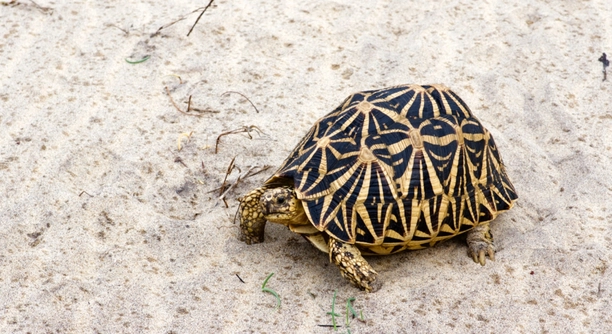
Turtles are fascinating creatures that require special care to stay healthy. If you have one as a pet, you might notice certain behaviors that seem unusual. One common thing pet owners observe is their turtle rubbing its shell against the glass.
The main reason your turtle rubs its shell on the glass is likely due to its instinct to explore its surroundings. Turtles may rub against the glass as they try to find a way out or to investigate unfamiliar territory.
Understanding why your turtle engages in this behavior can help you better care for it. There are several factors at play, from its environment to potential health issues that may cause this action.
Why Is My Turtle Rubbing Its Shell Against the Glass?
Turtles have natural instincts that guide much of their behavior. Rubbing their shell against the glass is a common action that often occurs when they’re feeling curious or are trying to escape. This behavior typically isn’t a sign of something wrong but rather a response to their environment. Pet turtles in tanks can rub against the glass out of boredom or frustration. They may see the glass as an obstacle they need to get past, especially if they feel confined. Additionally, the movement can simply be a way of exploring their space.
Turtles in the wild move through water and across land, so a tank’s limited space might frustrate their natural instinct to roam. This could lead them to repeatedly try to reach the other side of the tank by rubbing their shell against the glass. It’s their way of testing boundaries.
While this behavior is often harmless, it’s important to observe if there’s an underlying cause, such as insufficient space or inadequate tank conditions, which could make your turtle feel uncomfortable.
Is Your Turtle’s Tank Setup Suitable?
The setup of your turtle’s tank can greatly impact its behavior. A tank that is too small or lacks proper enrichment could be a factor.
Turtles need plenty of space to swim, bask, and explore. A cramped tank may make your turtle feel stressed and trapped, leading it to rub against the glass. Additionally, if your turtle doesn’t have enough places to hide, bask, or climb, it may act out by attempting to escape. Ensure the tank is large enough for your turtle’s size and age. A tank with sufficient hiding spots and areas for basking can help your turtle feel safe and reduce the chances of glass-rubbing behavior.
Tank lighting, filtration, and water temperature also play a role in your turtle’s comfort. If the environment is not right, they may start showing signs of distress by trying to escape. Make sure you regularly check water quality, temperature, and lighting to avoid these issues. A healthy, well-maintained environment can help reduce stress and promote positive behavior in your pet turtle.
Tank Size and Space Considerations
If the tank is too small for your turtle, it may feel restricted. A cramped space can lead to stress, which may cause it to rub against the glass.
Turtles need ample room to move around, swim freely, and even hide when they need peace. The general rule is to provide a tank that offers at least 10 gallons of water for each inch of the turtle’s shell length. If your turtle is growing, make sure to upgrade the tank to accommodate its size. A larger tank not only gives your turtle room to move but also allows you to create a more natural, comfortable environment. Proper space can reduce stress and prevent repetitive behavior like shell rubbing.
Inadequate space can also affect your turtle’s ability to explore and keep active. A stagnant environment, especially with minimal objects or decorations, can make your turtle feel unsettled. Consider adding rocks or logs for climbing and hiding spots. These additions encourage natural behavior and help keep your turtle mentally and physically stimulated. A well-designed tank setup will keep your turtle content and active.
Providing Enrichment for Your Turtle
Without mental stimulation, turtles may start showing behaviors like rubbing their shells on the glass out of boredom.
Turtles are curious animals, and if they don’t have enough to interact with, they’ll likely focus their energy on trying to escape or investigate the boundaries of their tank. Adding enrichment to their environment is essential to keeping them engaged. Floating logs, basking platforms, and safe aquatic plants provide opportunities for your turtle to explore. You can also create an area where it can dig or climb. These activities are not just fun; they keep your turtle physically healthy by encouraging exercise and movement.
Providing enrichment helps mimic your turtle’s natural environment, reducing stress and improving its overall well-being. It also minimizes glass-rubbing behavior. Changing things around every so often can help keep your turtle curious and interested in its surroundings. In nature, turtles move through different terrains and face new challenges, so it’s important to replicate this in their tank. By providing a richer habitat, you’ll keep your turtle entertained and content.
Stress and Anxiety in Turtles
Turtles can experience stress and anxiety, which might make them rub against the glass. Environmental changes or discomfort can lead to such behaviors.
Stressors like loud noises, excessive handling, or inconsistent tank conditions can upset a turtle. If your turtle seems restless and is frequently rubbing against the glass, it could be trying to escape a stressful situation.
Providing a calm, quiet space will help reduce stress. Make sure the tank is placed in a low-traffic area, free from sudden loud sounds. If you’ve recently changed the tank setup or introduced new items, it might take time for your turtle to adjust. Consistent routines and a peaceful environment will help your turtle feel safe.
Health Issues to Consider
Rubbing the shell could indicate a health issue. A turtle might try to rub itself on surfaces if it’s feeling discomfort or pain.
Issues like shell rot, parasites, or injuries can cause discomfort, making a turtle act out. If you notice excessive rubbing, inspect the shell for any signs of damage or infections. A veterinarian can help diagnose any health problems.
Turtles that suffer from skin irritation or respiratory issues may also engage in unusual behaviors like shell rubbing. Look for other signs of distress such as lethargy, poor appetite, or unusual breathing patterns. Prompt treatment can address these issues before they become more serious.
Is the Tank Temperature Correct?
Improper water temperature can make your turtle uncomfortable, leading it to rub against the glass.
Turtles require a specific temperature range to stay healthy and active. If the water is too cold or too hot, your turtle might start rubbing on the glass as a way to get out of the unpleasant conditions.
FAQ
Why does my turtle keep rubbing its shell on the glass?
Turtles often rub their shells against the glass because they are curious or trying to explore. They may feel confined in their tank and attempt to find a way out. This behavior can also be a sign of boredom, especially if their environment lacks stimulation. It’s natural for turtles to seek new spaces to explore, so make sure your tank is large enough and includes enrichment items to reduce this behavior.
Could my turtle be stressed?
Yes, stress can cause a turtle to rub against the glass. Stress might come from changes in its environment, too much noise, or even being handled too much. A stressed turtle may also show other signs like loss of appetite or hiding. Try to keep its environment calm, place the tank in a quiet area, and avoid moving things around too much. Keeping a consistent routine can help reduce stress levels in your turtle.
How do I know if my turtle is trying to escape?
If your turtle keeps rubbing its shell on the glass, it might be attempting to escape because it feels restricted. This is common in tanks that are too small or lack areas for the turtle to climb and explore. If your turtle looks like it’s repeatedly trying to get out, it’s important to check if its living space is appropriate for its size and needs. Adding enrichment, like rocks or logs, can provide more stimulation and reduce escape attempts.
Could there be a health issue causing this behavior?
Yes, rubbing the shell might indicate health issues such as shell rot or parasites. If your turtle is consistently rubbing its shell and showing other signs of illness like lethargy or changes in eating habits, it’s important to check for physical problems. Look for signs of injury, infection, or unusual changes in the shell. If you suspect a health issue, take your turtle to a veterinarian who specializes in reptiles.
What temperature should my turtle’s tank be?
Turtles need both a warm area for basking and cooler water for swimming. The water temperature should be between 75°F and 80°F (24°C to 27°C), and the basking spot should be around 85°F to 90°F (29°C to 32°C). If the tank temperature is too hot or too cold, your turtle may feel uncomfortable and start acting out, including rubbing against the glass. Check your tank regularly with a thermometer to make sure the conditions are ideal.
How can I tell if my turtle’s tank is too small?
A small tank can cause stress and lead to behaviors like shell rubbing. A general rule is to have at least 10 gallons of water per inch of the turtle’s shell length. If your turtle is having trouble turning around or seems cramped, it’s time to upgrade to a larger tank. Make sure your turtle has enough space to swim, bask, and explore. You can also add decorations or hiding spots to encourage natural behavior.
Is my turtle rubbing the glass because it’s bored?
Boredom is a common reason for this behavior. Turtles, like all animals, need stimulation to keep them mentally and physically healthy. If they don’t have enough enrichment in their tank, they may rub against the glass out of frustration. Adding climbing platforms, floating logs, or plants can provide opportunities for your turtle to explore and stay active. Regularly changing the tank setup can also help keep your turtle interested and engaged.
What should I do if my turtle keeps rubbing against the glass?
First, check the size of the tank and make sure it’s appropriate for your turtle’s size. Ensure there are enough places to hide, climb, and bask. Adding enrichment items like rocks or logs can also reduce the urge to rub. If you think the behavior is due to stress or a health issue, consider adjusting the tank environment or visiting a reptile vet. Regularly check water quality, temperature, and lighting, as these factors also impact your turtle’s behavior.
Can I stop my turtle from rubbing the glass completely?
While it may not be possible to completely eliminate the behavior, you can reduce it by providing the right environment. Ensuring the tank is large enough, with enrichment and hiding spots, can make your turtle feel more secure. A calm and consistent environment, along with regular maintenance of the tank, will help your turtle feel less inclined to rub its shell on the glass.
Should I change my turtle’s tank setup to stop it from rubbing the glass?
Yes, changing the tank setup can help reduce the behavior. If your turtle seems bored or stressed, adding new elements like logs, plants, or rocks can provide more space for exploration. You can also rearrange the tank occasionally to keep your turtle mentally stimulated. Just make sure not to make drastic changes all at once, as this might add to your turtle’s stress.
Final Thoughts
Understanding why your turtle rubs its shell against the glass can help you improve its environment and overall well-being. While this behavior is often harmless, it can be a sign of stress, boredom, or discomfort. Turtles are naturally curious creatures, and they may try to explore their surroundings when they feel confined. Providing a larger tank with enough space for swimming, basking, and hiding is key to keeping your turtle happy. Additionally, adding enrichment items like logs, plants, or climbing structures can give your turtle more to interact with, reducing the urge to rub its shell on the glass.
It’s important to remember that turtles have unique needs when it comes to their habitat. Tank size, water temperature, and lighting all play a significant role in your turtle’s behavior. If your turtle seems stressed, it could be due to improper tank conditions. Checking the water quality and ensuring the temperature is right can prevent discomfort and make your turtle feel more at ease. Similarly, reducing noise and movement around the tank can help create a calmer environment, lowering stress levels. If your turtle is still rubbing its shell despite these changes, it might be worth consulting a veterinarian to rule out any health issues.
In many cases, small adjustments to the tank setup and a little extra care can go a long way in making your turtle feel more comfortable. As you learn more about your pet’s needs, you’ll be better equipped to provide a space that promotes its health and happiness. Regularly observing your turtle’s behavior and addressing potential stressors can help prevent this glass-rubbing behavior from becoming a bigger issue. By creating a safe, engaging, and properly maintained environment, you can ensure that your turtle lives a long, healthy life with fewer behavioral concerns.

Hello,
If you enjoy the content that we create, please consider saying a "Thank You!" by leaving a tip.
Every little bit helps us continue crafting quality advice that supports the health, happiness, and well-being of pets around the world, for pets of all shapes, sizes, and species.
We really appreciate the kindness and support that you show us!