
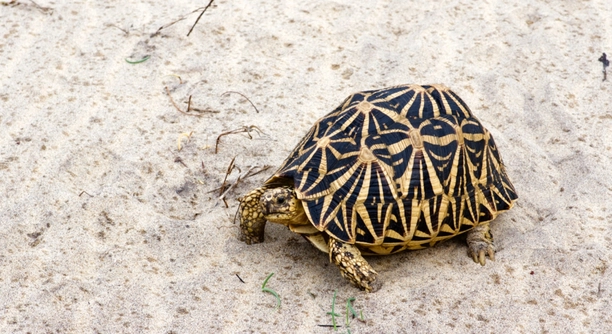
Turtles need a comfortable basking area to thrive. Providing the right environment helps them stay healthy and happy. A well-designed basking space is essential for their overall well-being and can prevent stress or health issues.
The best way to improve your turtle’s basking area is by ensuring it is spacious, well-lit, and has proper temperature control. By providing a basking platform, UVB light, and appropriate heat sources, you can create an ideal environment for your turtle.
Making small adjustments to your turtle’s basking area can lead to noticeable improvements in their behavior and health. Simple changes can make a big difference in their comfort and happiness.
Choosing the Right Basking Platform
A good basking platform is essential for your turtle’s comfort. It needs to be sturdy and positioned so your turtle can easily climb onto it. The platform should be large enough for them to stretch out fully. A well-placed platform will allow your turtle to bask under the heat source, helping them regulate their body temperature.
Make sure the platform is dry and stays above the water level. This allows your turtle to stay warm and avoid getting too wet. If the platform is too small or hard to reach, your turtle may struggle to bask properly, which could lead to stress or health issues.
You can purchase pre-made basking platforms, or you could make one yourself using simple materials. Just ensure that it’s safe, easy to clean, and doesn’t tip over when your turtle climbs on. Providing a comfortable basking spot is one of the easiest ways to improve your turtle’s habitat.
Proper Lighting for Basking
Lighting plays a huge role in a turtle’s basking area. UVB light helps turtles produce Vitamin D3, which is vital for their health.
Turtles need both UVA and UVB light to thrive. UVA helps with their overall behavior, while UVB aids in calcium absorption. Without these, your turtle may develop shell problems or other health issues. Use a proper UVB bulb, ensuring it’s positioned at the correct distance from the platform for optimal exposure.
When choosing lighting, consider how long the light is on each day. Ideally, the UVB light should be on for about 10-12 hours per day to mimic the natural day-night cycle. Regularly replace the bulb as the UVB rays can degrade over time, even if the light still works. This simple step can make a huge difference in keeping your turtle healthy.
Heat Sources and Temperature Control
Turtles need a warm basking spot to maintain their body temperature. A good heat source, like a basking lamp, is crucial for this. The lamp should be positioned above the platform, creating a warm spot for your turtle to rest. The temperature on the basking platform should range between 85°F and 95°F.
Use a thermometer to monitor the temperature in the basking area. It’s important not to let the temperature rise too much, as it could stress your turtle. Make sure the water temperature remains lower than the basking area to allow your turtle to cool off if needed.
A reliable heat source will help your turtle feel secure and comfortable. Adjust the heat as needed to ensure a consistent temperature, and avoid placing the lamp too close to the platform to prevent burns. A well-regulated basking area allows your turtle to absorb heat safely.
Water Quality and Depth
Water quality is just as important as the basking area for your turtle. It’s essential to clean and filter the water regularly to keep it free from bacteria and debris. Dirty water can cause infections and stress for your turtle.
The depth of the water is also important. Your turtle should be able to swim comfortably while still being able to climb onto the basking platform. Turtles need space to swim, but the water should not be too deep, especially for smaller turtles. Shallow water can make it easier for them to access their basking spot.
A good filtration system is key to maintaining healthy water. Make sure the filter is appropriate for the size of your tank. This will help keep the water clean and help avoid any unpleasant odors. Regular water changes are also important, as turtles can be messy, and their waste can quickly dirty the water.
Placement of the Basking Area
The placement of your turtle’s basking area matters. It should be in a spot where it can get plenty of natural light, but also away from direct sunlight to prevent overheating. Avoid placing it near drafts or high-traffic areas, as this can stress your turtle.
The area should be accessible and easy to clean. Ensure that it’s positioned in a way that allows the heat and light to reach your turtle without obstruction. Also, take into account how easy it will be for you to adjust the temperature and lighting when needed. It should be an area where your turtle feels comfortable and secure.
Creating a well-planned basking area with thoughtful placement helps maintain a peaceful and healthy environment for your turtle. This simple yet effective step is key to creating a happy, long-term habitat.
Keeping the Basking Area Clean
Cleaning the basking area regularly is important to ensure your turtle stays healthy. Waste and food debris can quickly accumulate, attracting bacteria. This can cause skin or shell infections, so it’s crucial to clean the platform and surrounding area at least once a week.
Use a mild aquarium-safe cleaner to wipe down the basking platform. Avoid harsh chemicals that can harm your turtle. Check for mold or algae growth and clean it off as needed. Regularly remove any waste or uneaten food to keep the area sanitary.
Keeping your turtle’s basking area clean not only ensures a safe environment but also makes the space more inviting. A clean platform encourages your turtle to use it regularly, promoting their overall well-being. Be mindful of any build-up in the tank as well, since it can affect water quality. A clean environment supports your turtle’s health and happiness.
Providing a Safe, Non-Slip Surface
A non-slip surface on the basking platform is essential for your turtle’s safety. Turtles can be clumsy and might slip off smooth surfaces, potentially causing injury. Use textured materials or add a non-slip mat to give them a better grip when climbing onto the platform.
The surface should be comfortable for your turtle to walk on, not too sharp or abrasive. If you’re using a homemade platform, you can apply a textured coating or use natural materials like rocks or smooth gravel. These options help your turtle grip the surface easily, preventing falls or accidents.
Having a safe, non-slip surface is an often overlooked detail, but it’s a simple improvement that can make a big difference. It reduces the risk of injury and helps your turtle feel secure while basking. With this small change, you’ll see an improvement in your turtle’s behavior and comfort in their environment.
Avoid Overcrowding the Basking Area
Overcrowding the basking area can make your turtle feel stressed. If there’s not enough space for them to move around, they may not use the platform at all. Make sure there’s plenty of room for your turtle to stretch and rest comfortably without feeling cramped.
It’s important to also consider the size of your turtle when deciding how much space is needed. A larger turtle will need a bigger basking area than a smaller one. Avoid placing too many decorations or accessories in the area, as it can interfere with your turtle’s ability to access the platform.
Adding Plants and Decorations
Adding plants and decorations can improve your turtle’s environment by providing hiding spots and natural stimulation. However, be careful about the type of plants you use. Make sure they’re non-toxic and won’t harm your turtle if eaten. You can use artificial plants as well if natural ones aren’t an option.
In addition to adding visual interest, plants can create a more comfortable habitat by mimicking the turtle’s natural surroundings. Be sure that any decorations don’t obstruct the basking platform or interfere with heat and light distribution. Keeping the decorations safe and simple will benefit your turtle’s health and comfort.
Temperature Monitoring
Consistently monitoring the temperature of the basking area is essential for your turtle’s health. A thermometer placed on the basking platform will help ensure it stays within the ideal range of 85°F to 95°F.
Using a reliable thermometer will help you make necessary adjustments to the heat source. Regular monitoring helps you avoid temperatures that are too hot or too cold, which can cause stress or illness. It’s also good to check the water temperature to make sure it complements the basking area. Maintaining a balanced temperature environment encourages natural behaviors and promotes a healthy lifestyle for your turtle.
FAQ
How often should I clean my turtle’s basking area?
It’s best to clean your turtle’s basking area at least once a week. This includes removing any waste, uneaten food, and wiping down the platform. If you notice algae or mold growth, clean it immediately. Regular cleaning ensures a healthy environment for your turtle and prevents bacterial build-up, which could lead to health problems. It’s important to also check the water quality and perform water changes regularly.
Can I use a heat lamp for my turtle’s basking area?
Yes, a heat lamp is ideal for creating the right temperature in your turtle’s basking area. A basking lamp will provide the necessary warmth that your turtle needs to regulate its body temperature. Be sure the lamp is positioned above the platform to create a warm spot. The temperature should range between 85°F and 95°F. Keep the lamp’s distance from the platform in check to avoid overheating or burns. Also, make sure to use a proper UVB light alongside the heat lamp for your turtle’s health.
What kind of light do I need for my turtle’s basking area?
Your turtle needs both UVA and UVB light for optimal health. UVA light helps with behavior, while UVB light is essential for calcium absorption. A good UVB light should be on for 10-12 hours a day, mimicking the natural day-night cycle. You can use a combined UVA/UVB bulb, or separate bulbs for each. Make sure to replace the UVB bulb every 6-12 months, as the UVB rays degrade even if the light still works. This ensures your turtle is getting the necessary exposure for healthy shell and bone development.
How can I prevent my turtle from slipping off the basking platform?
To prevent slipping, use a non-slip surface on the basking platform. You can add a non-slip mat, use textured materials, or apply a rough surface coating. This provides a better grip for your turtle when climbing onto or off the platform. Turtles are not as agile on smooth surfaces and can easily slip, leading to stress or injury. Be sure the platform is stable and provides a safe, secure space for your turtle to rest.
Can I use natural plants in the basking area?
Yes, you can add live plants to your turtle’s habitat, but make sure they are non-toxic and suitable for aquarium life. Plants help create a more natural environment and offer hiding spots. However, they can be eaten, so it’s important to choose plants that are safe. If you prefer low maintenance, you can also use artificial plants. Just ensure that the plants don’t obstruct the basking area or interfere with the heat and light sources.
What temperature should the water be for my turtle?
The water temperature should be around 75°F to 80°F, depending on the species of your turtle. Too cold or too hot water can stress your turtle, and they may avoid swimming or basking. Use an aquarium heater to maintain a steady water temperature. It’s also important that the water temperature is lower than the basking area so your turtle has the option to cool off if it gets too warm.
How deep should the water be in my turtle’s tank?
The water depth should allow your turtle to swim comfortably, but it should not be too deep. A good rule of thumb is to make sure the water is deep enough for your turtle to submerge fully, but shallow enough for them to easily climb onto the basking platform. The depth should also depend on the size of your turtle. Smaller turtles may do better in shallower water, while larger ones will need deeper water to swim around.
How do I know if my turtle is getting enough UVB light?
If your turtle is not getting enough UVB light, it may show signs like a weakened or soft shell, lethargy, or a lack of appetite. To ensure your turtle is getting the right amount of UVB, use a UVB meter to check the intensity of the light in the basking area. Keep the UVB bulb at the recommended distance from the platform, and replace the bulb regularly, as it loses effectiveness over time. If in doubt, consult a reptile vet to ensure your turtle’s UVB exposure is adequate.
Can I use a regular light bulb for my turtle’s basking area?
Regular light bulbs do not provide the necessary UVB light your turtle needs. Turtles require a specialized UVB bulb to help with calcium absorption and overall health. A regular light bulb will only provide illumination and heat but won’t offer the essential UVB rays. It’s important to use a UVB bulb specifically designed for reptiles to ensure your turtle’s well-being.
What can I do if my turtle isn’t using the basking platform?
If your turtle isn’t using the basking platform, there could be a few reasons. First, check that the temperature of the basking area is within the proper range. If it’s too hot or too cold, your turtle might avoid it. Also, ensure the platform is accessible and easy to climb onto. If it’s too small or slippery, your turtle may find it difficult to use. Lastly, ensure that the water quality is good, as poor water conditions can discourage basking behavior.
Final Thoughts
Creating the perfect basking area for your turtle doesn’t have to be complicated. With a few simple adjustments, you can provide an environment that promotes their health and well-being. The key elements to focus on include having a proper basking platform, the right lighting, and ensuring the temperature is just right. These factors are essential to your turtle’s overall health, as they mimic the natural conditions that turtles need to stay active, healthy, and stress-free.
Maintaining a clean basking area is also crucial. It not only keeps your turtle safe from harmful bacteria and infections but also ensures they have a comfortable place to rest. Regular cleaning, along with checking the water quality, helps prevent any build-up of waste or algae that could harm your turtle. Don’t forget that providing the right accessories, like non-slip surfaces, can make a big difference in how comfortable your turtle feels in its environment. Ensuring there is enough space for your turtle to move around and stretch out is another small yet significant detail that should not be overlooked.
By focusing on these simple steps, you can improve your turtle’s basking area and help them thrive. It’s not about creating the most complicated or expensive setup, but rather one that meets your turtle’s needs. Remember to keep the basking area safe, clean, and comfortable, and your turtle will likely appreciate the effort. With the right setup, you can help your turtle live a long, healthy life in its habitat, while also enjoying the rewarding experience of caring for them.

Hello,
If you enjoy the content that we create, please consider saying a "Thank You!" by leaving a tip.
Every little bit helps us continue crafting quality advice that supports the health, happiness, and well-being of pets around the world, for pets of all shapes, sizes, and species.
We really appreciate the kindness and support that you show us!