
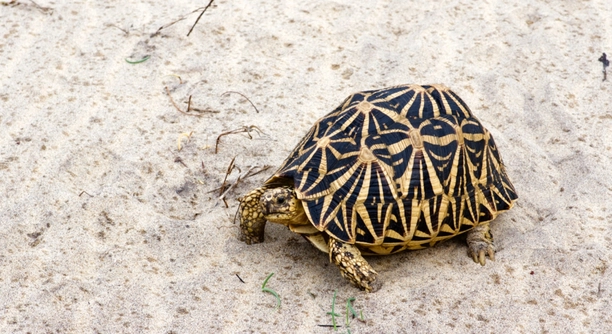
Turtles are known for their quiet and calm nature, but sometimes they engage in unusual behaviors. If you’ve noticed your turtle pushing objects around, it may leave you wondering about the cause behind this odd action.
Turtles often push objects around due to curiosity, environmental enrichment, or instinctual behavior. They may push items to explore their surroundings, mark territory, or find food. It’s a natural behavior that is generally harmless but can be influenced by their environment.
Understanding your turtle’s behavior can help you create a more enriching habitat for them. Learning why this happens can also help ensure their well-being and provide you with insights into their needs and preferences.
Why Do Turtles Push Objects Around?
Turtles are often curious creatures. They may push objects in their habitat for various reasons, such as investigating their surroundings or finding food. When you see your turtle nudging around rocks, plants, or other items, it’s simply their way of interacting with their environment. These actions are usually harmless and are often part of their natural behavior. If your turtle seems to be repeatedly pushing things, it could be a sign that they’re trying to create a more comfortable space or are simply exploring. Ensuring their space is filled with proper enrichment can help direct this behavior in positive ways.
While pushing objects around is a common behavior, it can also be linked to stress or boredom. If the pushing becomes excessive, it may indicate that your turtle needs more stimulation or a change in their environment. This is why it’s important to observe the frequency and intensity of the action.
Creating an enriching environment for your turtle is key. Adding a variety of objects like plants, rocks, and hiding spaces can give your turtle a sense of security and curiosity. These items also give them opportunities for exploration and mental stimulation, preventing boredom. Sometimes, they may even push objects as a form of exercise or to test their strength. It’s all part of their natural instincts to interact with the world around them.
Is Your Turtle Pushing Objects Too Much?
If your turtle pushes objects too often or aggressively, it might be a sign of something deeper. This could be linked to health issues, discomfort, or environmental factors that need attention.
When pushing objects becomes excessive, it might indicate that your turtle is stressed or uncomfortable. Stressors such as temperature fluctuations, improper lighting, or overcrowded spaces can lead to this behavior. Sometimes, it could also signal an issue with the turtle’s physical well-being, like joint problems. Monitoring your turtle’s environment and making adjustments can help reduce these behaviors. If the pushing continues or escalates, it’s best to consult with a vet to rule out any underlying issues. Proper care and attention are vital to ensuring your turtle’s comfort and happiness.
Environmental Factors Affecting Your Turtle’s Behavior
Turtles are sensitive to changes in their environment, and pushing objects around may be a result of those changes. They might push things to adjust their space or react to something they find uncomfortable, like noise or too much movement.
The habitat’s temperature, humidity, and light are crucial for your turtle’s well-being. If these factors are off balance, your turtle may push objects to try to improve the situation or find a more comfortable spot. Make sure their environment mimics their natural habitat as closely as possible. Small adjustments like a proper heat source or UVB light can make a big difference. Pay attention to how your turtle responds to environmental shifts, and if needed, make changes to ease their stress.
Turtles thrive in stable environments, and keeping their space consistent will reduce the likelihood of odd behaviors. If they are constantly shifting objects, it might indicate discomfort. Creating a secure space where your turtle feels safe and protected will help them settle down. Keep an eye on the temperature and lighting conditions, and ensure their tank is properly filtered. These adjustments can reduce unnecessary pushing and encourage a calmer, happier turtle.
Mental Stimulation and Enrichment
Turtles are intelligent creatures, and they need mental stimulation to stay engaged. Pushing objects around could be their way of entertaining themselves or exploring their surroundings. Without proper enrichment, they may start to focus on moving things as a way to relieve boredom.
Offering a variety of items in their environment is essential. Rocks, plants, and tunnels provide not only physical space for exploration but also mental challenges for your turtle. These objects encourage them to interact with their surroundings and can help prevent them from pushing things excessively. Additionally, rotating objects in and out of their habitat can keep things fresh and exciting. Just like with any pet, providing opportunities for play and exploration will reduce stress and enhance your turtle’s quality of life.
If your turtle seems to be pushing objects out of boredom, adding new items to their tank can change things up. You can even experiment with items that float or move with the water to see if they engage with these in a fun way. By providing variety, you will ensure that your turtle remains curious and content, rather than fixating on moving things around.
How Feeding Affects Your Turtle’s Behavior
Turtles may push objects around when they’re hungry or looking for food. If they are not getting the right amount of food, they might start nudging things, hoping to find something edible. It’s their way of searching for food in their environment.
A proper feeding schedule is essential for your turtle’s behavior. Ensure that they’re receiving the correct type and amount of food for their species. Overfeeding or underfeeding can lead to behavioral changes, like increased pushing. If your turtle is consistently pushing things after meals, it could be that they are still hungry or searching for more food.
Feeding them in a consistent manner and at appropriate times can help curb this behavior. It’s important to know how much to feed them and what foods to include. This will help ensure your turtle doesn’t turn to pushing objects out of hunger or frustration.
The Role of Tank Size
The size of your turtle’s tank can have a direct impact on their behavior. If the tank is too small, your turtle might push objects to make more space. They may feel cramped and attempt to move things to create a more comfortable environment.
If your turtle’s tank feels crowded or overcrowded, it can lead to stress. When they don’t have enough space to swim or move freely, they might become agitated and start pushing things around. Ensuring that your turtle has enough room to explore and roam is essential for keeping their behavior calm. If needed, consider upgrading to a larger tank to reduce stress and help your turtle feel more secure.
When to Consult a Veterinarian
If your turtle’s behavior, like pushing objects, seems excessive or changes suddenly, it could be time to consult a veterinarian. There might be underlying health issues contributing to the behavior. A vet will be able to assess your turtle’s overall health and determine if something physical is at play.
FAQ
Why is my turtle pushing objects around?
Turtles push objects around for various reasons, such as exploring their environment, marking territory, or finding food. It’s a natural behavior that helps them interact with their surroundings. They may also push objects if they are trying to adjust their space or are simply curious. If it seems excessive, however, it could be a sign of boredom or stress, and you may need to enhance their environment with more stimulation or check if there are any discomforts.
Can pushing objects be a sign of stress in turtles?
Yes, excessive pushing can indicate stress. If your turtle is feeling uncomfortable, whether due to environmental factors, lack of space, or health issues, they might start pushing objects around. Stress can cause a turtle to behave in ways that are not typical, like constantly rearranging their habitat or becoming more active than usual. Monitoring the environment and addressing any potential sources of stress, such as poor tank conditions, will help.
How can I tell if my turtle is stressed?
Apart from pushing objects around, signs of stress in turtles include hiding more often, becoming lethargic, or refusing to eat. Stress can also lead to changes in their shell appearance, such as peeling or softening. If you notice any of these signs, it’s important to assess their environment—temperature, lighting, tank size, and water quality should all be checked and adjusted as needed.
Can I stop my turtle from pushing objects around?
While it’s difficult to completely stop a turtle from pushing objects around, you can reduce the frequency of this behavior by ensuring they have an enriched environment. Provide plenty of hiding spots, plants, rocks, and other items for your turtle to interact with. Proper feeding schedules and tank size can also prevent pushing related to hunger or confinement.
Is pushing objects a form of exercise for my turtle?
Yes, pushing objects can be a way for your turtle to get some exercise. Turtles in the wild are often active, moving around and interacting with their environment. In captivity, pushing things could help them stay physically active and mentally engaged. However, if your turtle is pushing objects excessively, they may need more structured opportunities for exercise, such as more space to swim or other forms of enrichment.
Do all turtles push objects around?
Not all turtles will exhibit the same behaviors. While pushing objects is common, some turtles may not engage in it at all. The behavior often depends on the individual turtle’s personality, species, and environmental factors. Some turtles may prefer to hide or remain more passive, while others are more active and curious.
How do I provide enrichment for my turtle?
Enrichment is essential for preventing boredom and stress in turtles. You can provide enrichment by adding different objects to their habitat, such as rocks, plants, floating logs, and small hides. Change the items regularly to keep things interesting. Additionally, varying their diet and providing opportunities for foraging will help keep them mentally stimulated.
Should I be worried if my turtle is pushing objects a lot?
If your turtle is pushing objects constantly, it could be a sign that they’re either bored, stressed, or uncomfortable. If the behavior is excessive and seems to be affecting their overall well-being, it’s worth investigating their environment. If necessary, consult a vet to rule out health problems.
Can pushing objects around harm my turtle?
In most cases, pushing objects around is harmless. However, if your turtle is pushing very heavy objects or moving things in a way that could injure themselves, it’s something to monitor. Also, objects that are too large or sharp can be dangerous. Be sure to provide safe items that won’t harm them when pushed around.
How often should I clean my turtle’s tank?
Keeping the tank clean is essential for your turtle’s health and behavior. A good rule of thumb is to clean the tank once a week, removing waste, uneaten food, and algae. Partial water changes should also be done regularly, and the filter should be checked to ensure it’s working effectively. A clean tank will help keep your turtle comfortable and reduce behaviors like pushing objects that might be linked to unhygienic conditions.
Could my turtle be pushing objects to find a mate?
While turtles may push objects to claim territory, they usually don’t push things specifically to find a mate. However, during breeding seasons, male turtles might become more active and may push objects as part of their courtship behavior. If you have multiple turtles, this could also be a sign of territorial behavior, as males may try to assert dominance.
Are some turtle species more likely to push objects than others?
Yes, certain species of turtles may be more inclined to push objects around due to differences in personality or natural behaviors. Species that are more active and curious, like box turtles, may be more likely to engage in this behavior. On the other hand, species that are more reclusive, like aquatic turtles, may not push objects as frequently.
What should I do if my turtle is pushing objects excessively?
If your turtle is pushing objects excessively, start by evaluating their environment. Ensure the tank is large enough, and that the temperature, humidity, and lighting conditions are suitable. Offer plenty of stimulation with safe objects for them to explore. If the behavior continues or seems linked to health issues, it’s a good idea to visit a vet.
Can pushing objects around be a sign of boredom?
Yes, boredom is one of the most common reasons turtles push objects around. If their habitat is not stimulating enough, they might begin moving things just to pass the time. Offering new objects, varying their diet, and ensuring they have a clean, spacious tank can help reduce boredom-driven behaviors.
Final Thoughts
Pushing objects around is a common behavior in turtles and is generally part of their natural instincts. Turtles are curious creatures and may push items to explore their surroundings, find food, or create a more comfortable space. While this behavior is usually harmless, it’s important to observe how often it occurs and consider the underlying reasons. In many cases, turtles are simply interacting with their environment in a way that is instinctual and not a cause for concern. However, if the pushing seems excessive or is accompanied by other signs of stress, it’s a good idea to assess their living conditions.
If your turtle’s pushing behavior is linked to boredom, stress, or discomfort, making adjustments to their environment can help. Providing enough space, temperature regulation, and mental stimulation can significantly reduce this behavior. Adding various objects like plants, rocks, and hiding spots will give your turtle more ways to engage with their habitat. If you notice that your turtle is still pushing objects after improving their environment, or if the behavior is affecting their overall well-being, consulting a vet can help rule out any health issues. Regular tank maintenance, proper feeding, and the right lighting and heating can make a big difference in keeping your turtle content.
Ultimately, understanding your turtle’s needs and behaviors is key to ensuring their health and happiness. Pushing objects around is usually a harmless part of their natural exploration and curiosity, but it can be a signal to pay closer attention to their environment and care. By creating a comfortable, stimulating habitat for your turtle, you can reduce any unwanted behaviors and promote their long-term well-being. Regular observation and care will allow you to better understand your turtle’s behavior and ensure they live a happy, healthy life.

Hello,
If you enjoy the content that we create, please consider saying a "Thank You!" by leaving a tip.
Every little bit helps us continue crafting quality advice that supports the health, happiness, and well-being of pets around the world, for pets of all shapes, sizes, and species.
We really appreciate the kindness and support that you show us!