
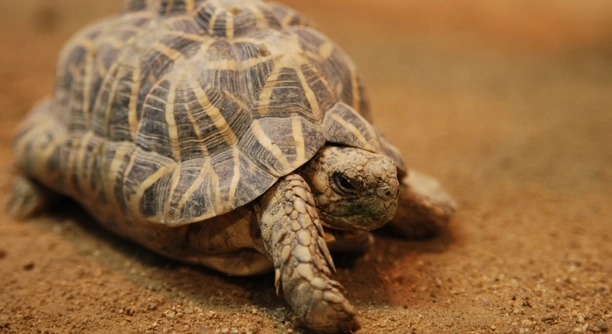
Turtles are fascinating creatures, but sometimes they can show odd behaviors, like spitting out food. If your turtle does this, you might wonder why. It’s important to understand the possible reasons behind this behavior to help them stay healthy.
The main reason why your turtle spits out food is often due to a feeding issue, such as an improper diet, stress, or dental problems. A turtle may also reject food if it is not in a suitable texture or temperature.
Addressing these common causes can help your turtle enjoy their meals and stay healthy. There are simple adjustments you can make to ensure they are getting the right kind of food.
Possible Reasons for Spitting Out Food
Turtles may spit out food for various reasons, and it’s crucial to figure out what could be causing this. One common issue is that the food might not be what they prefer. Turtles can be picky eaters, and their food preferences can vary depending on their species and age. Additionally, if the food is too big, too hard, or not the right texture, they might not be able to eat it properly, leading to them spitting it out. Some turtles also experience difficulty with their jaw or teeth, making eating challenging.
It’s also possible that the environment itself is affecting their eating habits. A stressful environment can lead to unusual behaviors, like spitting out food. If your turtle is feeling threatened or anxious, they may not be interested in eating. Overcrowding, loud noises, or changes in their habitat can be stress factors.
Understanding your turtle’s behavior is key to addressing the problem. By observing what they like or dislike, you can help make mealtime more enjoyable for them. Offering different types of food and adjusting portion sizes could encourage your turtle to eat more comfortably. You can also try feeding them at the same time each day to create a routine that feels familiar and safe.
Diet and Feeding Preferences
Turtles are creatures of habit when it comes to their diet. If you are noticing that your turtle keeps spitting out food, one of the first things to check is whether the food matches their natural preferences.
Turtles may be rejecting food because it doesn’t resemble their natural diet. Some species prefer leafy greens, while others might prefer protein-rich foods like worms or fish. If you’re offering a variety of foods, pay attention to what gets eaten and what gets spat out. Trying different textures and food types might help you find what your turtle enjoys most.
Stress or Anxiety
Stress or anxiety is a common reason for turtles spitting out food. If they feel threatened or uncomfortable in their environment, it could affect their eating habits. Changes in their tank setup, loud noises, or even the presence of other animals might be stressing them out.
When turtles are stressed, they may lose interest in food. To help, make sure their habitat is quiet, stable, and secure. If they are in a tank with other turtles, ensure there’s enough space for each to feel comfortable. Reducing environmental stress can encourage a more relaxed feeding behavior.
Consistent care and a calm environment are essential for your turtle’s well-being. If you notice that they’re still rejecting food after removing stress factors, it may be time to reassess their feeding habits. Adjusting the food temperature or texture might also help them feel more at ease. Make feeding time predictable to help your turtle adjust.
Improper Water Conditions
Improper water conditions can affect your turtle’s appetite. If the water is too cold or dirty, your turtle might not feel comfortable eating. Clean, warm water is important for digestion and overall health. Make sure your turtle’s habitat is regularly cleaned and maintained.
Water quality directly impacts a turtle’s health. If the water is not at the correct temperature, your turtle could be stressed, making it difficult to eat. Keep the water between 72-78°F (22-26°C) for most species. Also, regularly check the water’s pH levels and cleanliness to avoid any health issues that could affect feeding.
Health Issues
Health problems can also cause your turtle to spit out food. Issues like mouth infections, respiratory problems, or gastrointestinal discomfort could affect their appetite. If you notice unusual behavior, it’s a good idea to consult with a vet.
A turtle might also have difficulty eating if they have dental problems, such as overgrown beaks or tooth rot. These conditions make it harder for them to chew properly. Early detection and treatment are important to ensure your turtle stays healthy.
Incorrect Feeding Technique
Sometimes, turtles may spit out food due to improper feeding methods. If the food is not properly presented, such as being too large or difficult to handle, they may not want to eat it.
Making sure the food is appropriately sized and easy for your turtle to grasp can encourage them to eat. Offering food in smaller, bite-sized pieces can help your turtle enjoy their meals without frustration. This simple adjustment can make a big difference in their eating habits.
FAQ
Why does my turtle spit out food even though I’m offering their favorite treats?
Sometimes, even if you’re offering their favorite food, turtles may still spit it out. This could be due to health issues, stress, or an improper feeding method. It’s important to observe whether your turtle is having difficulty chewing or if they are reacting to the food in any other way. In some cases, it may also be a sign that the food is too large, too hard, or not the right texture for them. Try cutting the food into smaller pieces or adjusting the texture to see if that helps.
How can I tell if my turtle is stressed?
Stress in turtles often shows through behavior changes like refusing food, hiding more than usual, or swimming erratically. Stress can be caused by changes in the environment, overcrowding in the tank, or sudden noise. It’s important to make sure their habitat is peaceful and consistent. Also, ensure that the tank is the right size and that they have enough space to feel comfortable.
What should I do if I think my turtle has a health issue?
If you suspect your turtle has a health issue, such as mouth infections or digestive problems, it’s crucial to take them to a reptile vet. Health issues can cause turtles to lose their appetite and reject food. A vet will be able to diagnose the problem and recommend the right treatment. Avoid self-diagnosing, as turtles can hide symptoms of illness for a while.
Can water quality affect my turtle’s eating habits?
Yes, poor water quality can have a big impact on your turtle’s appetite. If the water is too cold, dirty, or contains harmful chemicals, your turtle might become stressed and refuse to eat. Regularly check the water’s temperature, pH levels, and cleanliness. Clean the tank regularly to ensure your turtle feels comfortable and safe.
Is it normal for turtles to be picky eaters?
Turtles can be picky eaters, especially if they have specific food preferences or if they’re not accustomed to a certain type of food. Some turtles might prefer leafy greens, while others may prefer protein-rich foods like fish or worms. It’s a good idea to observe what your turtle likes best and offer that type of food regularly. Experiment with different textures and types to find what they enjoy most.
Could my turtle’s age affect its eating habits?
Yes, age can affect a turtle’s eating habits. Juvenile turtles typically have higher energy needs and may eat more frequently. As turtles age, their metabolism slows down, and they may eat less. Older turtles may also have difficulty eating if they have dental issues or other health problems. Pay attention to any changes in their eating habits to ensure they’re staying healthy.
How often should I feed my turtle?
The frequency of feeding depends on the age and species of your turtle. For most juvenile turtles, feeding them daily is ideal, while adult turtles can be fed every other day. Make sure to provide a balanced diet with a variety of foods. Overfeeding can lead to obesity and health problems, so be mindful of portion sizes.
Can I feed my turtle too much?
Yes, overfeeding can be harmful to your turtle. Too much food, especially high-fat or high-protein foods, can lead to obesity and other health problems. It’s important to feed your turtle an appropriate portion size based on their age, species, and size. A general guideline is to provide food that can be eaten in 10 to 15 minutes, ensuring they don’t overeat.
Should I be concerned if my turtle spits out food every once in a while?
Occasional food rejection isn’t usually something to worry about. Turtles may spit out food due to minor issues like food temperature, texture, or a temporary loss of appetite. However, if your turtle repeatedly refuses food or shows other signs of illness, it’s best to seek advice from a vet. It could be a sign that something more serious is affecting their health.
Can I feed my turtle the same food every day?
Feeding your turtle the same food every day isn’t ideal. A varied diet ensures they get all the necessary nutrients. Offer a mix of leafy greens, vegetables, and occasional protein sources, such as worms, fish, or insects. This variety will help keep your turtle healthy and encourage them to eat regularly.
Final Thoughts
Turtles are unique creatures with specific dietary needs and habits. If your turtle keeps spitting out food, it’s important to pay attention to possible causes such as stress, health issues, or even the type of food you’re offering. Small changes, such as offering food in smaller pieces, adjusting the water temperature, or reducing stress factors in their environment, can make a big difference. Taking the time to understand your turtle’s needs will help you provide a better experience for them during feeding times.
If you have tried adjusting their diet, temperature, and environment and your turtle still refuses food, it’s best to consult a veterinarian. Turtles may hide their symptoms, and health issues can sometimes go unnoticed. A professional can help determine if there’s a medical issue causing the food rejection. Early intervention can prevent more serious health problems down the line. Don’t hesitate to get a second opinion if you’re unsure about your turtle’s well-being.
In the end, patience and careful observation are key when caring for a turtle. They rely on you for proper care and support. By offering a balanced diet, maintaining their habitat, and staying on top of any changes in their behavior, you can ensure your turtle is happy, healthy, and well-fed.

Hello,
If you enjoy the content that we create, please consider saying a "Thank You!" by leaving a tip.
Every little bit helps us continue crafting quality advice that supports the health, happiness, and well-being of pets around the world, for pets of all shapes, sizes, and species.
We really appreciate the kindness and support that you show us!