
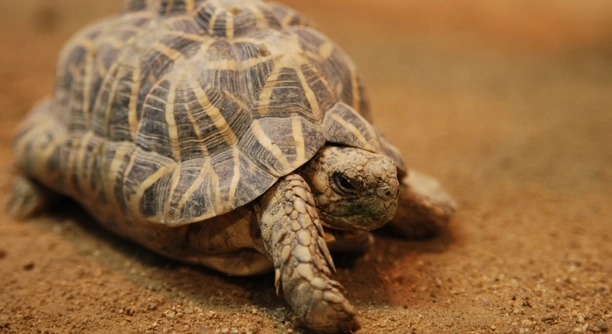
Turtles are unique creatures, and just like any pet, they can be picky eaters. If you’ve been struggling to get your turtle to eat vegetables, you might be wondering why this happens. It’s a common concern.
Turtles may refuse vegetables for various reasons, including improper diet variety, stress, or health issues. The environment, such as water quality and temperature, can also affect their appetite. A sudden change in their routine can lead to reluctance toward food.
Understanding these factors will help you address the issue and ensure your turtle gets the nutrition it needs.
Incorrect Diet Variety
Turtles are often selective when it comes to food. If they are not offered a variety of vegetables, they may simply lose interest. Some turtles prefer leafy greens, while others might enjoy more colorful vegetables like carrots or bell peppers. A limited diet can lead to refusal of certain foods, even if they are healthy. It’s important to rotate different types of vegetables and include fruits occasionally. This keeps the meal interesting for your turtle, encouraging them to eat more regularly. If the food feels repetitive or unappealing, your turtle might avoid it altogether.
Offering a mix of dark leafy greens and colorful vegetables is essential to keeping your turtle’s diet balanced. This also encourages them to enjoy a wider range of foods.
Try experimenting with different veggies, chopping them into smaller pieces, and changing the presentation. These simple changes can make a huge difference in enticing your turtle to eat. It’s all about variety and making meals visually appealing for them.
Stress or Environmental Factors
A turtle’s environment plays a significant role in its eating habits. Stress from factors like tank cleanliness, noise, or too much handling can cause a turtle to lose its appetite. Turtles are sensitive creatures and need a stable, calm environment to thrive. Any change in their surroundings can make them feel unsettled, leading to a lack of interest in food.
Make sure your turtle’s tank is clean and appropriately sized, and provide a place where they can retreat and feel safe. Also, avoid overcrowding and excessive noise around their habitat. These environmental adjustments can make your turtle feel secure and more likely to eat.
Health Issues
If your turtle is refusing vegetables, there may be an underlying health issue. Illness can lead to a decreased appetite. Look out for signs of illness, such as lethargy, shell discoloration, or changes in behavior. If you notice these symptoms, it’s best to consult a veterinarian.
Health problems like parasites or internal issues can affect your turtle’s ability to eat properly. Some turtles may avoid food due to digestive discomfort or pain. If your turtle suddenly refuses its food, a health check-up is essential to rule out any medical conditions that might be affecting its appetite.
Regular vet visits can help keep your turtle healthy and ensure its digestive system is functioning well. A balanced diet can also prevent some common health issues that might be linked to poor eating habits. If the refusal continues, consider professional help to identify and address the problem.
Water Quality and Temperature
Turtles need clean water to thrive. Poor water quality can lead to stress and health problems, both of which may cause your turtle to avoid eating. Check the water regularly for clarity and ensure it’s free from harmful bacteria. A water filter can help maintain a clean environment.
Temperature is another critical factor. If the water is too cold, your turtle may become sluggish and less interested in eating. Conversely, water that’s too warm can lead to stress or even dehydration. Make sure the water temperature stays within the ideal range for your turtle species, typically between 75°F and 85°F. Proper water conditions can prevent your turtle from feeling uncomfortable or disoriented.
Consider using a water heater and thermometer to monitor the temperature. The right conditions will not only encourage your turtle to eat but also help it stay healthy overall.
Feeding Schedule
Turtles are creatures of habit. If you’re not sticking to a consistent feeding schedule, your turtle might not be eating. Try to feed them at the same time every day. A routine helps them anticipate meals and can encourage them to eat more regularly.
A set feeding schedule also helps you track your turtle’s eating habits. If they suddenly refuse to eat at their usual feeding time, it’s easier to notice and address any potential issues. Sticking to this routine can improve your turtle’s appetite and make mealtime feel more predictable for them.
Overfeeding
Overfeeding your turtle can result in it becoming picky with food. If your turtle is constantly full, it might refuse vegetables, preferring to eat only high-protein foods. To avoid this, ensure you’re providing the right portion size.
The key is balance. Offer a mix of protein and vegetables, and adjust portions accordingly. Overfeeding can lead to obesity and long-term health problems. Gradually cut down on protein portions if necessary, and keep offering a variety of vegetables.
Picky Eaters
Some turtles are naturally more selective about their food. If your turtle consistently refuses vegetables, it may just be picky. In such cases, experimenting with different veggies is a good solution. Try offering new vegetables like dandelion greens, turnip greens, or collard greens.
Changing up the presentation might help as well. Try cutting vegetables into different shapes or serving them in a different way. Some turtles may prefer vegetables when they’re slightly more tender or even lightly blanched.
FAQ
Why isn’t my turtle eating its vegetables?
There are several reasons why your turtle might refuse vegetables. It could be due to a lack of variety in their diet, environmental stress, poor water quality, or even health problems. Some turtles are simply picky eaters, preferring certain types of food over others.
What vegetables are best for turtles?
Turtles benefit from a variety of leafy greens like kale, dandelion greens, and collard greens. Other good options include bell peppers, carrots, and squash. These vegetables provide essential nutrients like fiber, vitamins, and minerals to support your turtle’s health.
How often should I feed my turtle vegetables?
Turtles should be fed vegetables daily, but the amount and type can vary depending on their age and species. Juvenile turtles may require more protein in their diet, while adults should be fed primarily vegetables. Offering vegetables daily as part of a balanced diet is key.
Can I feed my turtle fruits instead of vegetables?
Fruits can be a good supplement to your turtle’s diet but should not replace vegetables. Fruits are high in sugar and can lead to obesity or other health problems if fed too often. Offer fruits like strawberries, blueberries, or papaya occasionally.
How can I get my turtle to eat more vegetables?
If your turtle isn’t eating vegetables, try offering a variety of options to see what it likes best. You can also try mixing the vegetables with something more appealing, like a small amount of turtle pellets or fruit. Changing the way you present the food might help as well.
What should I do if my turtle refuses to eat for several days?
If your turtle refuses to eat for more than two or three days, it could be a sign of an underlying issue. Check the water quality, tank temperature, and environment for any stress factors. If the refusal continues, consult a veterinarian to rule out health problems.
Are there any foods that are toxic to turtles?
Yes, some foods can be harmful to turtles. Avoid feeding them iceberg lettuce, as it lacks nutritional value and can cause digestive issues. Also, avoid feeding them foods like onions, garlic, or avocado, as they can be toxic to turtles.
Can stress affect my turtle’s eating habits?
Yes, stress can cause a turtle to stop eating. Stressors like loud noises, handling, changes in the environment, or even poor tank conditions can make a turtle anxious and less likely to eat. Creating a calm and stable environment is essential for encouraging healthy eating habits.
How do I know if my turtle is sick?
If your turtle is not eating, it may be a sign of illness. Other symptoms of illness include lethargy, swollen eyes, shell discoloration, or abnormal breathing. If you notice these signs, it’s important to get your turtle checked by a veterinarian.
Should I feed my turtle protein or vegetables first?
Turtles should be offered a variety of food types in one feeding. However, some experts suggest feeding vegetables first to ensure that your turtle gets the necessary nutrients. If you feed protein first, your turtle may refuse vegetables.
Can I feed my turtle spinach?
Spinach is fine in moderation but should not be fed too often. It contains oxalates, which can bind to calcium and prevent its absorption, potentially leading to health issues like shell deformities. Offering spinach occasionally is fine, but balance it with other vegetables.
What’s the best way to feed my turtle vegetables?
The best way to feed vegetables to your turtle is by offering them fresh, washed, and cut into small, manageable pieces. Some turtles prefer vegetables that are softer, so you may want to lightly blanch them before offering them. Keep meals varied to maintain interest.
How can I tell if my turtle is eating enough?
Monitor your turtle’s weight and activity levels to determine if it’s eating enough. If your turtle is active, has a healthy weight, and is passing waste regularly, it’s likely getting the right amount of food. If it appears sluggish or underweight, you may need to adjust its diet.
How long can my turtle go without eating?
Turtles can go without eating for a few days, but this depends on their size, age, and health. Juvenile turtles require more frequent meals, while adult turtles may be able to go longer. If your turtle refuses food for several days, it’s important to monitor its behavior and consult a vet if necessary.
Can I feed my turtle packaged turtle food?
While packaged turtle food can be convenient, it should not be the primary food source. It’s important to offer fresh vegetables, fruits, and occasionally protein to provide a well-rounded diet. Use packaged food as a supplement, not a replacement.
How do I improve the taste of vegetables for my turtle?
Turtles can be picky, but you can make vegetables more appealing by offering a variety of textures and flavors. Try chopping, grating, or blending vegetables. You can also mix them with small amounts of protein or fruits to encourage your turtle to eat them.
Is it okay to feed my turtle lettuce?
Some types of lettuce, like romaine or red leaf lettuce, are fine in moderation. However, iceberg lettuce should be avoided because it lacks nutritional value and can cause digestive problems. Always choose darker, more nutrient-dense lettuce varieties when feeding your turtle.
Can I feed my turtle cooked vegetables?
You can feed your turtle cooked vegetables, but they should be cooked lightly, such as steaming or blanching them. Avoid seasoning or adding butter, as this can be harmful to your turtle. Cooking vegetables can make them easier to digest and more appealing to some turtles.
Final Thoughts
In summary, there are several reasons why your turtle may not be eating its vegetables, ranging from environmental factors to health issues. Understanding the specific needs of your turtle, such as the type of vegetables they prefer and the right temperature and water quality in their tank, can help ensure they stay healthy and well-fed. Every turtle has unique preferences, and it might take some trial and error to find the best way to encourage them to eat. Offering a variety of fresh vegetables, along with occasional fruits or protein, is key to maintaining a balanced diet for your turtle.
If your turtle continues to refuse vegetables despite your best efforts, it’s essential to look at their environment and behavior. Ensure their tank is clean, the temperature is optimal, and that they have plenty of space to move around. Stress or discomfort from a poorly maintained habitat can lead to eating issues. You should also monitor your turtle for any signs of illness. If there is a noticeable change in behavior or they refuse food for an extended period, consulting a veterinarian is crucial to rule out any underlying health problems.
Remember that patience is important when caring for turtles. They may not immediately take to new foods, but with time and persistence, most turtles will develop a more varied diet. Be mindful of the types of vegetables you offer and how you present them. Whether you chop, steam, or mix the vegetables with other foods, it’s all about finding the right combination to keep your turtle happy and healthy. Proper care and attention to your turtle’s diet will help them thrive, and they will eventually develop a taste for the healthy foods you provide.

Hello,
If you enjoy the content that we create, please consider saying a "Thank You!" by leaving a tip.
Every little bit helps us continue crafting quality advice that supports the health, happiness, and well-being of pets around the world, for pets of all shapes, sizes, and species.
We really appreciate the kindness and support that you show us!