
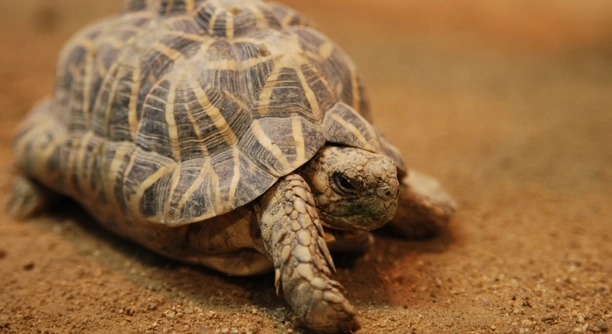
Turtles are fascinating creatures with unique dietary needs. Providing them with a variety of safe and nutritious foods is essential for their health. Fruits can be a tasty treat, but not all are suitable for your turtle’s diet.
There are several safe fruits that can be fed to turtles, such as strawberries, apples, and bananas. These fruits are rich in vitamins and provide hydration. However, it is important to feed them in moderation to avoid excess sugar intake.
Learning more about the best fruits for turtles will help you make better choices and ensure their well-being.
Safe Fruits for Turtles
When choosing fruits for turtles, it’s important to focus on those that are safe and provide nutritional benefits. Fruits such as strawberries, apples, and pears are great options. They contain essential vitamins and antioxidants that can help your turtle stay healthy. Fruits also offer hydration, which is important for turtles, especially if they’re kept in dry environments. Keep in mind that fruits should be given as a treat and not as the main part of their diet. Too much fruit can lead to digestive issues or weight gain. You should also always remove any seeds or pits, as they can be harmful to your turtle.
It’s crucial to consider portion control when offering fruits. Serving them in small pieces is the best way to avoid overfeeding and keep your turtle safe.
While it’s tempting to treat your turtle to a variety of fruits, it’s always wise to research and stick to those that offer the most benefits. Some fruits are better for hydration, while others help with overall health.
Best Fruits for Hydration
Watermelon is an excellent choice for hydration. Its high water content helps keep turtles hydrated, especially during warm weather. Just be sure to remove the rind and cut it into small, manageable pieces to avoid any choking hazards. This fruit is also low in sugar, making it a safe option.
In addition to watermelon, cantaloupe is another hydrating fruit for turtles. Its orange flesh is packed with moisture and can help replenish fluids. Like watermelon, it should be served in small pieces to prevent any choking risks. Cantaloupe also contains vitamin A, which is beneficial for eye health.
Both watermelon and cantaloupe are delicious and hydrating options. Keep in mind that while they are great for hydration, they should be offered in moderation to avoid excessive sugar intake. Providing a balanced diet is essential to ensure your turtle thrives.
Fruits Rich in Nutrients
Berries, especially strawberries, are packed with vitamin C and antioxidants. This helps boost the immune system and supports overall health. When feeding strawberries to your turtle, remove the leaves and slice them into bite-sized pieces. This will make it easier for your turtle to consume them.
Blueberries are another excellent choice. They contain high levels of antioxidants, which help protect your turtle’s cells from damage. You can offer them fresh or frozen, but always ensure they’re cut into small portions. These berries also provide a burst of energy and are an excellent treat when given in moderation.
Including berries in your turtle’s diet will not only offer hydration but will also help provide essential nutrients. They are a healthy snack that can support your turtle’s well-being when offered as part of a balanced diet.
Fruits to Avoid for Turtles
Citrus fruits like oranges and lemons should be avoided. Their high acidity can upset your turtle’s digestive system and cause discomfort. While they might seem refreshing, the sugar and citric acid are too harsh for turtles.
Grapes are also risky. They have high sugar content and can lead to obesity or other health issues if consumed too often. Additionally, grapes can be difficult for turtles to digest in large quantities.
Preparing Fruits for Turtles
Before offering any fruit to your turtle, make sure it’s thoroughly washed to remove any pesticides or harmful chemicals. This helps prevent any potential health issues. Cutting the fruit into small, manageable pieces ensures your turtle can easily consume it without choking.
Removing seeds and pits is crucial as well. Many fruits contain seeds or pits that can be toxic to turtles. Apples, for instance, should have their seeds removed before being served. Likewise, peaches or cherries should be pitted to avoid any dangers.
Feeding Fruits in Moderation
Even the safest fruits should be offered in moderation. Overfeeding your turtle with fruit can lead to digestive issues, weight gain, or imbalanced nutrition. Fruits should supplement your turtle’s regular diet, not replace it. Keeping portions small and infrequent will keep your turtle healthy.
FAQ
Can turtles eat grapes?
Grapes are not the best option for turtles. While they are not toxic, they contain a high level of sugar, which can contribute to weight gain and digestive issues. If you choose to offer grapes, do so in moderation, cutting them into small pieces to avoid choking. It’s better to opt for fruits that are lower in sugar for a healthier treat.
Are strawberries safe for turtles?
Yes, strawberries are safe and can be a nutritious snack for turtles. They are rich in vitamin C and antioxidants, which support the immune system. Make sure to wash the strawberries thoroughly and cut them into small pieces before feeding them to your turtle. Limit the amount to avoid overloading your turtle’s diet with sugar.
Is watermelon a good fruit for turtles?
Watermelon is an excellent fruit for turtles due to its high water content, which helps keep them hydrated. It’s also low in sugar compared to other fruits, making it a healthier option. Be sure to remove the rind and cut the watermelon into small pieces to prevent choking hazards.
Can turtles eat bananas?
Bananas can be given to turtles, but they should only be offered in moderation. While bananas provide potassium and some other nutrients, they are high in sugar, which can lead to health problems if consumed too frequently. Cut the banana into small, manageable pieces to prevent choking.
Are apples safe for turtles?
Yes, apples are safe for turtles. They are a good source of fiber and vitamins. However, always remove the seeds before serving, as apple seeds contain cyanide, which can be toxic to turtles. It’s best to cut the apple into small pieces to make it easier for your turtle to eat.
Can turtles eat citrus fruits?
Citrus fruits like oranges, lemons, and limes should be avoided. The high acidity of citrus fruits can cause digestive upset and discomfort for turtles. It’s better to stick to fruits that are less acidic and more suitable for your turtle’s digestive system, such as berries or melons.
Are peaches safe for turtles?
Peaches can be fed to turtles in moderation. They are high in vitamins A and C and provide hydration. However, like other fruits with pits, make sure to remove the stone before offering the fruit to avoid any choking risks. Cut the peach into small pieces to make it easier for your turtle to eat.
Can turtles eat grapes or raisins?
While fresh grapes are generally safe for turtles, raisins should be avoided. Raisins are concentrated and high in sugar, which can be harmful to your turtle’s health. Stick to fresh fruits and offer them sparingly to avoid overfeeding your turtle with sugar.
Can turtles eat pears?
Pears are a safe and healthy fruit option for turtles. They are rich in vitamins and fiber, which can aid in digestion. Just make sure to wash the pear thoroughly and cut it into small, bite-sized pieces to make it easy for your turtle to eat. Remove the seeds as well.
What fruits are best for baby turtles?
For baby turtles, it’s important to focus on softer fruits that are easy to digest. Options like watermelon, strawberries, and cantaloupe are great choices. These fruits are not only hydrating but also gentle on the young turtle’s digestive system. Make sure to cut the fruit into small, manageable pieces to prevent choking.
Can turtles eat kiwi?
Kiwi is safe for turtles and can be a healthy snack in moderation. This fruit is rich in vitamin C, which helps support the immune system. Peel the skin off the kiwi and cut it into small pieces to make it easier for your turtle to eat. Offering kiwi once in a while can add variety to their diet.
How often should I feed fruit to my turtle?
Fruit should be given to turtles in moderation, typically once or twice a week. While fruits are nutritious, they should not replace the main part of your turtle’s diet, which should consist of leafy greens and other vegetables. Too much fruit can lead to obesity and digestive problems.
Can turtles eat tropical fruits?
Tropical fruits such as mango and pineapple can be offered to turtles in small amounts. These fruits contain valuable nutrients like vitamin C but are also high in sugar. Offering them too frequently can cause health issues, so always serve tropical fruits as a treat and not as a regular part of their diet.
Are frozen fruits safe for turtles?
Frozen fruits can be safe for turtles as long as they are thawed and cut into manageable pieces. Freezing can help preserve the nutrients, but avoid giving your turtle frozen fruits with added sugars or preservatives. Always check the ingredients before offering frozen fruit to ensure they are safe for your pet.
Can turtles eat dried fruits?
Dried fruits, including dried cranberries or apricots, should be avoided. They contain concentrated sugars that can lead to health problems in turtles. The drying process removes much of the water content, making the fruit less nutritious. Fresh fruit is always the better choice for your turtle.
What fruits should be avoided for turtles?
In addition to citrus fruits and raisins, there are other fruits to avoid, such as avocados. Avocados contain a toxin called persin, which can be harmful to turtles. Also, be cautious with high-sugar fruits, like figs and dried fruit, as they can cause digestive issues or weight gain in your turtle.
Final Thoughts
Feeding turtles the right fruits can be a great way to provide them with a healthy and balanced diet. While fruits are a good source of vitamins and hydration, they should be treated as a treat rather than a staple in their meals. It’s essential to remember that fruits, although nutritious, are high in sugar and can lead to health problems if fed in excess. Overfeeding fruits to turtles may result in obesity, digestive issues, or other long-term health concerns. Balancing fruit intake with the appropriate amount of leafy greens and protein-rich foods will help ensure your turtle’s overall well-being.
When offering fruit to your turtle, make sure to wash it thoroughly to remove any pesticides or chemicals. Cutting the fruit into small, bite-sized pieces is also important for your turtle’s safety, as it can prevent choking and make it easier to digest. Some fruits, such as apples and peaches, need to have their seeds or pits removed before being fed. This step is crucial, as certain seeds can be toxic and dangerous for turtles. Always double-check the fruit’s suitability, considering its sugar content and how easily it can be digested by your pet.
Lastly, it’s important to offer fruits in moderation. Keep in mind that variety is key to a healthy turtle diet. Along with fruits, provide your turtle with a range of vegetables, leafy greens, and occasionally some protein, depending on the species. By maintaining a balanced and diverse diet, you will help your turtle stay healthy and happy. Monitoring their weight and overall health can help guide you in providing the best possible diet. Keep fruits as an enjoyable supplement, and your turtle will thrive with the proper care.

Hello,
If you enjoy the content that we create, please consider saying a "Thank You!" by leaving a tip.
Every little bit helps us continue crafting quality advice that supports the health, happiness, and well-being of pets around the world, for pets of all shapes, sizes, and species.
We really appreciate the kindness and support that you show us!