
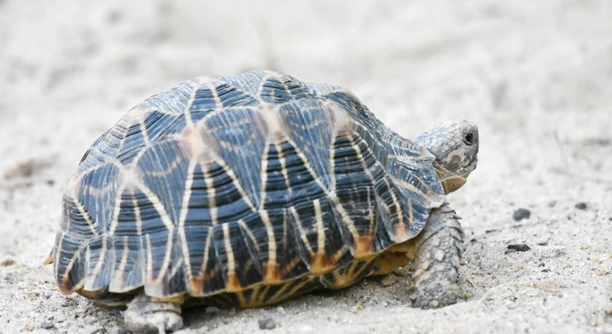
Turtles are fascinating creatures, but just like other pets, they can face health challenges. One such concern is respiratory infections, which are common in turtles. It’s important to recognize the signs early to ensure they stay healthy.
Respiratory infections in turtles can be identified by symptoms like wheezing, nasal discharge, lethargy, and difficulty breathing. Early detection and prompt treatment are essential to prevent serious health complications. These infections are often caused by environmental stressors or improper care.
Understanding these signs can make a big difference in your turtle’s well-being. Recognizing early symptoms of respiratory infections will allow you to act quickly, potentially saving your pet’s life.
Wheezing and Labored Breathing
When a turtle is dealing with a respiratory infection, one of the first signs you might notice is labored or wheezing breathing. This often happens because the infection causes inflammation in the lungs, making it harder for the turtle to breathe normally. If you hear a wheezing or raspy sound when your turtle is breathing, it could be a sign that something isn’t right. It’s also important to observe whether the turtle seems to be struggling more than usual, which is a clear indicator that it is having trouble getting enough air. Respiratory issues in turtles can progress quickly, so don’t ignore these early signs.
You should act immediately if you hear wheezing. The sooner you take action, the better the chances are for your turtle’s recovery. If left untreated, respiratory infections can become very serious and even fatal.
Respiratory infections can lead to other issues such as a lack of energy and reduced activity. When turtles are sick, they often become more sluggish than normal. This could mean your turtle isn’t swimming or moving around like it used to. If your turtle stays in one spot for long periods, or if it doesn’t show interest in eating, these are also signs of a respiratory problem. Always keep an eye out for changes in behavior that might signal something is wrong.
Nasal Discharge and Excessive Mucus
Another symptom of respiratory infections in turtles is nasal discharge. You may notice clear or yellowish mucus around your turtle’s nostrils. This discharge is a result of the infection affecting the respiratory system. It’s important to clean the area gently, but it’s equally important to recognize this as a sign that your turtle needs immediate care.
Excessive mucus or discharge can make it difficult for a turtle to breathe properly. If not cleaned or treated, the mucus can block the nasal passage and worsen the infection. A common response from turtles is to rub their faces on surfaces to try to clear the blockage. This can cause further irritation, and the infection can spread to other parts of the respiratory system. Keeping the living environment clean and dry is essential for managing and preventing these types of infections in the future. Make sure to seek veterinary care for your turtle if you notice this symptom.
Lethargy and Loss of Appetite
Lethargy, or a noticeable decrease in activity, is another key sign of a respiratory infection. Turtles with respiratory problems often become more tired than usual and may not move around much. This is due to the fact that their bodies are working harder to fight off the infection. Additionally, a lack of energy makes them less interested in food, leading to a decrease in appetite. You may notice that your turtle isn’t eating as much as it normally does or refuses food altogether. This can be troubling, as proper nutrition is vital for recovery.
If your turtle is showing signs of lethargy and not eating, it’s essential to monitor its condition closely. Reduced appetite, when combined with other symptoms like wheezing or nasal discharge, could indicate a respiratory infection that requires immediate medical attention. A veterinarian experienced with reptiles will likely recommend specific treatments such as antibiotics to help clear the infection. Without proper care, these issues can quickly escalate, so it’s important to act fast and not delay getting professional help.
Swelling Around the Eyes or Neck
Swelling around the eyes or neck is another concerning sign of a respiratory infection in turtles. This can happen when fluid builds up due to the infection. You might notice puffiness or a bloated appearance. Swelling can indicate that the infection is getting more severe and spreading.
The swelling around the eyes can sometimes cause a turtle’s eyelids to partially or fully close, making it harder for them to see. In some cases, the swelling might be accompanied by pus or discharge from the eyes, signaling a more advanced infection. The neck can also become swollen if the infection is affecting the respiratory system deeply. It’s critical to seek immediate veterinary attention when this happens, as it can lead to difficulty in breathing or other serious complications.
Open-Mouthed Breathing
Turtles usually breathe through their nostrils, but when a respiratory infection is present, they may start breathing through their mouth. Open-mouthed breathing is a sign that the turtle is struggling to get enough oxygen. It’s usually a response to extreme respiratory distress, and it can be a serious red flag.
If your turtle begins to breathe with its mouth open, it likely indicates a more advanced stage of the infection. Turtles are not meant to breathe through their mouths, so this can make it even harder for them to get proper airflow. Open-mouth breathing can be a result of blocked nasal passages or a buildup of mucus in the lungs. This should not be ignored, and veterinary care should be sought immediately.
Poor Shell Condition
A respiratory infection can also affect your turtle’s shell, especially if the infection persists for a long time. Infected turtles may show signs of shell discoloration, softness, or abnormal growth. This happens because their immune system is weakened, and they can’t properly maintain their shell health.
If your turtle’s shell starts showing any of these issues, it could be a sign that the infection has compromised its overall health. While it’s more common for shell problems to be linked to diet or habitat issues, a respiratory infection can contribute to a decline in shell condition. Keeping a close eye on your turtle’s shell is key to ensuring early intervention.
Abnormal Behavior
Changes in behavior are a key indicator that something is wrong with your turtle. In addition to lethargy, turtles with respiratory infections often exhibit signs like hiding more than usual or staying out of the water. These behaviors can indicate stress or discomfort.
Turtles in distress often try to avoid social interaction or hide away in their habitat. If your turtle becomes reclusive or avoids usual activities, this could be due to difficulty breathing or feeling unwell. Stress can further complicate their recovery, so it’s important to address the infection promptly to prevent further health issues.
Difficulty Submerging
Respiratory infections can cause a turtle to struggle with submerging itself in water. Since they need to breathe air, a turtle with breathing difficulties might stay at the surface longer or be reluctant to dive underwater. This can be due to labored breathing or a general lack of energy.
If your turtle spends excessive time on the surface or shows reluctance to submerge, this could be a sign of a respiratory infection. In some cases, the turtle may even float in a way it never did before, as the infection impacts their buoyancy. Proper care and treatment can help improve these symptoms.
FAQ
How can I tell if my turtle has a respiratory infection?
The signs of a respiratory infection in turtles include wheezing or labored breathing, nasal discharge, lethargy, poor appetite, and swelling around the eyes or neck. If you notice any of these symptoms, it’s important to seek veterinary care immediately. The infection can spread quickly, and early treatment can prevent it from worsening. Always monitor your turtle for any behavioral changes, such as difficulty breathing, mouth-breathing, or abnormal swimming patterns, as these can be clear signs of an infection.
Can a turtle recover from a respiratory infection?
Yes, turtles can recover from respiratory infections if caught early and treated properly. Treatment often involves antibiotics prescribed by a veterinarian and improving the turtle’s living conditions, such as ensuring proper temperature, humidity, and water quality. However, untreated respiratory infections can be fatal, so prompt veterinary care is essential to give your turtle the best chance of recovery. Consistent monitoring and proper care after treatment can also help prevent future infections.
What causes respiratory infections in turtles?
Respiratory infections in turtles are often caused by stress, poor environmental conditions, or an improper diet. Stress can be triggered by changes in habitat, overcrowding, or inadequate water temperature. Poor water quality, including dirty water and improper filtration, can also contribute to infections. Additionally, if a turtle’s immune system is weakened due to inadequate diet or poor care, it becomes more susceptible to infections. Proper maintenance of their habitat and a balanced diet can help reduce the risk.
How do I treat a turtle with a respiratory infection?
Treatment for a turtle with a respiratory infection typically involves taking the turtle to a veterinarian, who may prescribe antibiotics or other medications. The vet may also recommend changes to the turtle’s environment to reduce stress and promote healing, such as adjusting water temperature or improving humidity levels. It’s crucial to follow the vet’s instructions carefully and provide a stress-free, clean environment to support the turtle’s recovery.
Should I separate my infected turtle from others?
Yes, it’s a good idea to separate an infected turtle from others to prevent the spread of the infection. While respiratory infections in turtles are not typically contagious to humans or other pets, they can spread between turtles, especially in crowded or unsanitary environments. Isolating the sick turtle gives it a chance to recover without being exposed to additional stress or contact with healthy turtles. It also allows you to monitor its condition more closely.
Can a respiratory infection in turtles be prevented?
Yes, respiratory infections in turtles can be prevented with proper care and a clean living environment. Ensure that your turtle’s habitat is kept clean with appropriate water filtration, proper water temperature, and adequate humidity. A balanced diet with the right nutrients is essential to keep your turtle’s immune system strong. Reducing stress by providing a suitable environment, not overcrowding the tank, and avoiding sudden temperature changes can also help prevent respiratory infections.
What should I do if my turtle is having trouble breathing?
If your turtle is having trouble breathing, it is essential to act quickly. Check its environment to ensure the temperature and humidity are correct, as improper conditions can make breathing difficulties worse. If you hear wheezing, notice nasal discharge, or see the turtle breathing through its mouth, it is a sign of a serious issue. Take your turtle to a veterinarian immediately for a diagnosis and proper treatment.
Is it safe to give my turtle home remedies for respiratory issues?
It’s not recommended to treat respiratory infections in turtles with home remedies. While some people may suggest using herbal or over-the-counter treatments, these methods can be ineffective or even harmful. The best course of action is to take your turtle to a veterinarian who can prescribe the proper medication and provide the right treatment based on your turtle’s condition. Only a qualified vet can properly diagnose and treat respiratory infections.
Can a respiratory infection in a turtle spread to other animals or humans?
Respiratory infections in turtles are typically caused by bacterial or viral pathogens that are specific to reptiles. These infections are not usually contagious to humans or other animals, though it’s still important to maintain proper hygiene when handling sick turtles. Always wash your hands thoroughly after handling your turtle or cleaning its enclosure to avoid spreading bacteria or viruses to other animals.
How do I know if my turtle’s infection is serious?
A respiratory infection can become serious if left untreated. Signs that the infection has progressed include severe lethargy, open-mouthed breathing, swelling, and difficulty swimming or submerging. If the turtle’s condition worsens or it stops eating altogether, it is likely that the infection is severe. Prompt veterinary care is essential to prevent further complications, including pneumonia or organ failure.
What should I do if my turtle is not eating?
Loss of appetite in turtles can be a sign of illness, including respiratory infections. If your turtle is not eating, it’s important to assess other symptoms like lethargy, wheezing, or nasal discharge. A lack of appetite can weaken the immune system, so it’s crucial to get your turtle checked by a veterinarian to address the underlying issue. In the meantime, you can try offering a variety of foods to entice your turtle, but professional care is the best solution.
How long does it take for a turtle to recover from a respiratory infection?
The recovery time for a turtle with a respiratory infection depends on the severity of the infection and how quickly it is treated. With proper care and antibiotics, a turtle can begin to show improvement within a week, but it may take several weeks for full recovery. Monitoring the turtle closely during this time and providing a clean, stress-free environment can help speed up the healing process. Follow the veterinarian’s instructions carefully to ensure the best recovery outcome.
Final Thoughts
Taking care of a turtle requires attention to its health and environment. Respiratory infections are common in turtles, but with proper care, they can be treated effectively. The key to ensuring your turtle’s health is to notice the early signs of an infection, such as wheezing, nasal discharge, or lethargy. Catching these symptoms early can make a significant difference in the outcome of the infection. Turtles, like all pets, need a clean and comfortable habitat to thrive. Maintaining the right temperature, humidity, and water quality in their enclosure is crucial for preventing respiratory problems and other health issues.
A well-balanced diet also plays a major role in keeping your turtle healthy. Turtles need a mix of vitamins, minerals, and other nutrients to maintain a strong immune system. If your turtle’s immune system is weak, it becomes more vulnerable to infections. Along with proper nutrition, ensuring that your turtle’s environment remains stress-free is essential. Stress can weaken their health and make it harder for them to fight off infections. Regularly monitoring your turtle’s behavior, appetite, and shell condition can help you spot any potential issues before they become serious.
While it can be alarming when your turtle shows signs of illness, it’s important not to panic. By staying calm and addressing the problem as soon as possible, you can give your turtle the best chance for a full recovery. If your turtle shows any signs of respiratory distress, take it to a vet who is experienced in treating reptiles. A proper diagnosis and treatment plan will help your turtle get back to good health. Regular care and attention are the best ways to keep your turtle happy and healthy in the long run.

Hello,
If you enjoy the content that we create, please consider saying a "Thank You!" by leaving a tip.
Every little bit helps us continue crafting quality advice that supports the health, happiness, and well-being of pets around the world, for pets of all shapes, sizes, and species.
We really appreciate the kindness and support that you show us!