
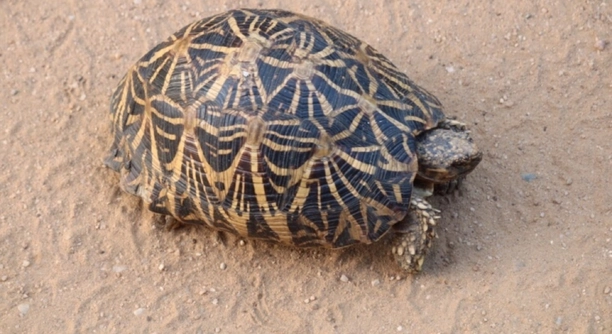
Turtles are unique, fascinating creatures, and when something seems off, it can be concerning. If your turtle isn’t using its back legs, it’s important to understand what might be causing this issue.
The most common reasons for a turtle not using its back legs are injuries, infections, or a lack of proper nutrition. Health conditions like metabolic bone disease or spinal injuries may also cause paralysis or weakness in the legs.
Understanding the possible causes can help you identify the problem early and give your turtle the care it needs. Proper treatment and care are essential for recovery.
Possible Causes for Your Turtle’s Back Leg Issues
Turtles are naturally active creatures, so if your turtle is not using its back legs, something is wrong. One common reason for this could be an injury to the legs or spine. Turtles may experience trauma from falling, being dropped, or even from rough handling. Another cause could be metabolic bone disease, which occurs when your turtle doesn’t get enough calcium and UV light. This condition weakens bones and can cause leg weakness or paralysis. Additionally, infections affecting the spinal cord or nerves may lead to similar symptoms, often with swelling or discomfort.
Inadequate tank conditions can also play a role. Poor water quality, lack of proper basking spots, and low temperatures can negatively affect a turtle’s health.
Turtles are prone to infections, especially if their environment isn’t clean or they are stressed. Bacterial or fungal infections can cause weakness, often in the legs. Another issue might be parasites, which can attack the nervous system. If your turtle is not using its back legs, this could be a sign of a deeper internal issue. Always check their habitat for signs of poor conditions and make sure to take the turtle to the vet for diagnosis.
How Poor Diet Impacts Mobility
A lack of proper nutrition can also affect your turtle’s mobility.
A diet low in calcium can lead to metabolic bone disease, where bones become weak and brittle, affecting movement. Without enough calcium, your turtle may struggle to walk or move. Proper UVB lighting is just as crucial for calcium absorption, so be sure your turtle’s tank has the right light.
If your turtle’s diet lacks variety, it can also suffer from nutrient deficiencies. Offering a diet with a good balance of greens, proteins, and other essential nutrients can go a long way. Some turtles, especially those kept in captivity, may not get the required nutrients, leading to muscle weakness and difficulty using their legs. So, a proper diet combined with a healthy environment plays a significant role in keeping your turtle active and mobile. Regular check-ups with a vet can help address any dietary concerns early.
Injuries and Trauma
If your turtle’s back legs aren’t moving, an injury could be the cause. Turtles have delicate bones and can easily hurt themselves by falling from a height or bumping into hard objects. Even a seemingly minor impact can lead to leg paralysis or weakness, depending on the severity of the injury.
Turtles can also injure their legs from rough handling. If the turtle is dropped or handled improperly, this can cause spinal or nerve damage, affecting leg function. Injuries may not always be visible, but if there’s a noticeable change in behavior or mobility, it’s important to check for signs of pain or swelling.
Even a poorly designed tank setup can contribute to injury. If the tank has sharp edges, hard surfaces, or rough items inside, they might cause a turtle to fall or hurt itself when attempting to climb or move. Be mindful of your turtle’s environment to prevent accidents.
Environmental Factors
Poor tank conditions can affect a turtle’s overall health. If the temperature is too low or the water is too dirty, your turtle may become lethargic or suffer from weakened muscles, which could lead to difficulty moving its legs.
A turtle’s environment plays a vital role in maintaining its strength and mobility. UVB lighting helps them process calcium, which is essential for bone health. Without enough UVB exposure, a turtle may develop metabolic bone disease, causing weakness in its legs. Additionally, maintaining clean water is essential to prevent infections that could affect their movement.
Over time, exposure to unsanitary conditions can weaken your turtle’s immune system, making it more prone to health problems. Keeping the water clean, adjusting the temperature, and ensuring the turtle has enough space to move around will help it stay healthy. Regular tank maintenance is key to preventing long-term issues.
Spinal Issues
A spinal injury can cause significant issues for a turtle, especially when it impacts their ability to use their back legs. Spinal fractures, dislocations, or even mild misalignments can lead to paralysis or loss of coordination. These types of injuries may not always be visible but can affect movement significantly.
Turtles may also experience spinal problems due to poor tank conditions or accidents. If the turtle’s tank setup is unsuitable, such as having hard surfaces or sharp objects, these can cause spinal injuries. Always ensure that your turtle’s environment is safe and secure to prevent these types of issues.
Infections and Illnesses
Infections affecting the spine or nerves can cause your turtle to lose control over its back legs. Bacterial or fungal infections are common and may cause swelling, pain, or paralysis in the limbs. Early signs of infection may include changes in behavior or visible swelling.
An infection can weaken your turtle’s immune system, making it harder for them to fight off other health problems. If the infection is not treated, it can spread, further impacting their mobility. You’ll need to take your turtle to the vet for diagnosis and proper treatment to prevent complications.
Calcium Deficiency
A lack of calcium can cause serious problems for your turtle’s bones and mobility. Without enough calcium, your turtle’s bones may weaken and become soft, resulting in difficulties moving. This condition is often associated with metabolic bone disease.
To avoid this, ensure your turtle is eating calcium-rich foods like dark leafy greens, and that they have access to proper UVB lighting. The right lighting helps turtles absorb calcium from their food. Without this, the deficiency will worsen, leading to serious health issues. Regular check-ups are important to catch this early.
FAQ
Why is my turtle not using its back legs?
There are several reasons why a turtle may not be using its back legs. The most common causes are injuries, infections, metabolic bone disease, or poor tank conditions. Turtles can also experience weakness or paralysis due to nutritional deficiencies, particularly calcium. If your turtle is suddenly showing signs of leg weakness or immobility, it is important to check for any visible injuries or environmental issues like poor water quality, temperature problems, or inadequate lighting. A visit to the vet will help pinpoint the exact cause and allow you to begin treatment.
How can I tell if my turtle has a spinal injury?
Spinal injuries in turtles are not always easy to spot, but signs like difficulty moving, a limp, or not using the back legs are red flags. A turtle with a spinal injury may show a lack of coordination or seem unusually stiff. If there’s swelling, bruising, or visible signs of trauma around the spine, these could be indications of injury. It’s crucial to take your turtle to the vet for a proper examination, as spinal injuries can lead to serious complications if left untreated.
Can poor tank conditions cause leg problems in turtles?
Yes, poor tank conditions can directly affect a turtle’s health, including its ability to move. Incorrect water temperature, poor water quality, or a lack of proper lighting can weaken your turtle’s muscles and bones, making it harder for them to use their back legs. Additionally, if the tank has sharp edges or dangerous objects, they can injure your turtle, causing mobility issues. Keeping the tank clean and maintaining the right conditions will help prevent many health problems.
What are the signs of metabolic bone disease in turtles?
Metabolic bone disease (MBD) is common in turtles that don’t get enough calcium or UVB light. Signs include weakness in the legs, difficulty moving, a soft or deformed shell, and in severe cases, tremors or muscle spasms. If you notice any of these signs, it’s important to take your turtle to the vet for treatment. Proper diet, UVB lighting, and calcium supplements can help prevent and treat MBD.
Can infections cause my turtle to stop using its legs?
Yes, infections can lead to weakness or paralysis in your turtle’s legs, especially if the infection affects the spinal cord or nervous system. Bacterial or fungal infections can spread through the turtle’s body, causing inflammation and nerve damage. Look out for swelling, changes in behavior, or discharge from the nose or eyes, as these could be signs of infection. Prompt treatment with antibiotics or antifungal medications is essential for recovery.
Is there a connection between diet and leg weakness in turtles?
Absolutely. A poor diet can cause nutrient deficiencies, which directly impact your turtle’s bones and muscles. Calcium is particularly important for maintaining strong bones. Without enough calcium, your turtle could develop metabolic bone disease, which weakens the bones and muscles, making it hard for them to move. A balanced diet with a variety of leafy greens, proteins, and calcium-rich foods will help keep your turtle healthy and strong. Also, make sure your turtle has access to proper UVB lighting to help absorb calcium.
How can I prevent my turtle from getting leg problems in the future?
To prevent leg problems, make sure your turtle’s environment is ideal. This means providing the right temperature, clean water, and proper UVB lighting. Ensure the diet is balanced with adequate calcium and nutrients. Regularly check for signs of injury or illness, and keep the tank free of sharp or dangerous objects. Regular veterinary check-ups will also help detect and address any issues early on, keeping your turtle healthy and active.
Can I treat my turtle’s leg problem at home?
It depends on the issue. Minor injuries or conditions caused by poor diet can sometimes be managed at home with proper care, including improving tank conditions, adjusting diet, or using supplements. However, more serious problems like infections, fractures, or metabolic bone disease require professional veterinary treatment. If your turtle’s leg problem persists or worsens, it’s important to consult a vet to avoid complications.
How long will it take for my turtle to recover from leg problems?
The recovery time depends on the cause of the leg issue. For minor injuries, your turtle may show signs of improvement in a few days or weeks, provided the proper treatment is given. However, conditions like metabolic bone disease or spinal injuries could take longer and may require ongoing treatment. It’s important to follow the vet’s advice and monitor your turtle’s progress. Some turtles can take several weeks or even months to fully recover, especially if the problem is severe.
What should I do if my turtle’s back legs are paralyzed?
Paralysis in a turtle’s back legs is a serious issue that requires immediate veterinary attention. The paralysis could be due to a number of underlying conditions, such as spinal injury, infection, or metabolic bone disease. It’s important to get a proper diagnosis from a vet, as the treatment plan will depend on the cause. In some cases, physical therapy or surgery may be necessary, while in others, diet and environmental changes may be sufficient to promote recovery.
Can stress cause my turtle to stop using its legs?
Stress can impact your turtle’s overall health, but it’s unlikely to directly cause them to stop using their legs. However, stress can weaken their immune system, making them more susceptible to infections, which in turn could affect their mobility. Ensure that your turtle’s environment is calm and that they are not exposed to constant disturbances. Stress can also arise from overcrowding, improper tank conditions, or inappropriate handling, so addressing these factors can help reduce stress and improve your turtle’s health.
Is it normal for my turtle to be inactive after an injury?
It’s normal for your turtle to be inactive after an injury, as it may be in pain or need time to heal. However, prolonged inactivity or a complete lack of movement can indicate a more serious issue, such as nerve damage or infection. Monitor your turtle closely for changes in behavior, and consult a vet if the inactivity continues for more than a few days. Proper care and treatment will speed up recovery.
Final Thoughts
If your turtle is not using its back legs, it’s important to act quickly to understand the cause. There are many potential reasons for this issue, including injuries, infections, poor diet, and poor tank conditions. Turtles rely on a healthy environment to stay active and mobile, and if something is wrong with their habitat or health, it can lead to serious issues. Identifying the problem early can make a significant difference in the recovery process. If you notice that your turtle is struggling to move, be sure to examine its tank setup and look for any injuries or signs of illness.
Once the cause is identified, treatment options will vary. For example, if the issue is related to diet, making adjustments to their food and ensuring proper calcium levels can help. For injuries or infections, veterinary care may be needed to get your turtle back to health. In some cases, physical therapy or changes to their environment, like improving the tank’s conditions or providing better lighting, may be enough to help your turtle regain its strength. In more severe cases, treatment may take longer, and your turtle may require more extensive care to recover. No matter the cause, it’s important to act quickly and take the necessary steps to get your turtle the help it needs.
While it can be distressing to see your turtle in pain or struggling to move, the good news is that many turtles can recover with the right care and attention. Regularly check their environment to ensure it’s clean and well-maintained, and provide them with a balanced diet that supports their health. It’s also essential to monitor your turtle’s behavior closely, as even small changes can indicate a problem. By staying attentive to your turtle’s needs and addressing any issues promptly, you can help ensure that it stays healthy, happy, and active.

Hello,
If you enjoy the content that we create, please consider saying a "Thank You!" by leaving a tip.
Every little bit helps us continue crafting quality advice that supports the health, happiness, and well-being of pets around the world, for pets of all shapes, sizes, and species.
We really appreciate the kindness and support that you show us!