
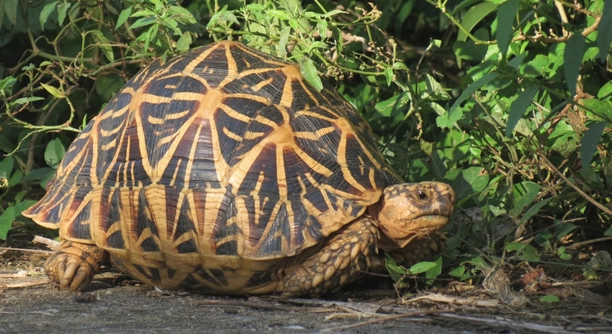
Setting up the perfect turtle tank can be tricky, but with the right steps, you can create a safe and comfortable environment for your pet. A well-planned tank ensures that your turtle thrives and enjoys its space.
To set up a proper turtle tank, start by selecting the right size tank based on your turtle’s species. Provide proper filtration, lighting, and temperature control. Ensure the tank has both dry and water areas, with suitable substrates and decor for hiding and basking.
These simple yet effective steps will help create a balanced environment that supports your turtle’s health and happiness.
Choosing the Right Tank Size for Your Turtle
When setting up a tank for your turtle, size is key. A tank that’s too small will restrict your turtle’s movement and make it harder for them to maintain a healthy environment. The size of the tank depends on the species of turtle you have, but a general rule is 10 gallons of water per inch of turtle shell. For instance, a turtle with a 4-inch shell needs at least a 40-gallon tank.
Choosing the right size ensures your turtle has enough space to swim, bask, and explore. It also helps maintain water quality. Larger tanks are easier to manage when it comes to filtration and temperature regulation.
The tank should be spacious enough to include areas for swimming and basking. For larger species, consider an even bigger tank to avoid overcrowding, which can lead to stress and health problems. A well-sized tank ensures your turtle’s happiness and long-term well-being.
Providing Proper Filtration and Water Quality
Water quality is essential for your turtle’s health. An effective filtration system removes waste and keeps the water clean. A good filter can prevent bacteria buildup and control the tank’s chemical balance. Always choose a filter suited for your tank size.
A filter also keeps the water’s pH, hardness, and temperature stable. This helps prevent common issues like shell rot and skin infections. You’ll need to clean the filter regularly to ensure it continues functioning well.
In addition to a filter, perform regular water changes to keep the tank fresh. Test the water for ammonia, nitrite, and nitrate levels to make sure they remain at safe levels. Clean water supports your turtle’s immune system and overall health.
Providing Proper Lighting for Your Turtle
Turtles need both UVA and UVB lighting. UVA promotes healthy behavior, while UVB helps them produce vitamin D3, essential for calcium absorption. Ensure the lights are placed properly, not too far from the tank.
UVB light should be on for about 10-12 hours each day. Make sure to replace bulbs every six months, even if they still appear to work. Over time, UVB output decreases, and your turtle could develop health problems, including shell deformities or metabolic bone disease. Use a timer to control lighting hours, simulating a natural day-night cycle.
Consider using a combination of basking lights for warmth and UVB bulbs. The basking area should be positioned under a heat lamp, offering a warm spot for your turtle to rest. Keep the temperature of this area between 85-90°F (29-32°C), as turtles need a heat source to stay active and digest food properly.
Heating and Temperature Control
Maintaining the right water temperature is essential for your turtle’s metabolism. For most turtles, water should be between 75-80°F (24-27°C). You’ll need an aquarium heater designed for tanks, especially for larger ones, to ensure consistency.
Invest in a thermometer to monitor the water temperature. A heater with an adjustable thermostat makes it easier to maintain the right temperature, especially during cooler months. Be sure the heater is fully submerged to avoid overheating and malfunction.
Make adjustments to the water temperature gradually, as sudden changes can cause stress. Keeping the water within the proper temperature range will help your turtle stay active and support their immune system. Regular monitoring ensures you can avoid sudden fluctuations that can lead to health issues.
Creating a Basking Area
A basking area is crucial for your turtle’s health. It provides a dry space where your turtle can warm up under the heat lamp. This area should be large enough for your turtle to stretch out comfortably.
Use smooth rocks or a floating platform to create a stable basking area. Make sure it’s easy for your turtle to climb onto. This allows them to dry off and regulate their body temperature. Regularly check that the basking area remains dry to avoid any mold buildup.
Substrate Selection
Choose a substrate that is safe and easy to clean. Options include river rocks, sand, or non-abrasive gravel. Avoid using small stones that could be swallowed, as they may cause blockages.
The substrate should be low-maintenance, allowing you to clean it without disturbing the tank’s ecosystem. Sand or large rocks are ideal for turtles that like to dig or burrow.
FAQ
How often should I clean my turtle tank?
The frequency of cleaning depends on the tank size and filter system, but generally, you should clean the tank every 2-4 weeks. Remove waste and uneaten food daily, especially if you have a smaller tank. This will help maintain water quality and prevent harmful bacteria buildup.
For larger tanks with good filtration systems, you might need to clean less often. However, it’s still important to change about 25-30% of the water weekly to keep it fresh. Clean the substrate and decorations every few weeks as well, depending on how much waste builds up.
What temperature should the water be for my turtle?
Turtles need water that is consistently between 75-80°F (24-27°C). Use an aquarium heater with an adjustable thermostat to regulate the temperature. Make sure to monitor it with a thermometer. Keeping the water temperature stable helps support digestion and overall health.
Can I keep multiple turtles in the same tank?
Yes, but it’s important to consider the size of the tank. For multiple turtles, a larger tank is necessary, typically around 50-75 gallons for two turtles. Overcrowding can lead to stress, aggression, and poor water quality.
Also, make sure each turtle has enough space to bask and swim comfortably. If they’re different species, research their compatibility before introducing them into the same tank. Keeping them separate might be necessary if there’s aggression.
What type of food should I feed my turtle?
A balanced diet is essential. Turtles need both animal protein and plant matter. Feed them a mix of commercial turtle pellets, leafy greens (like kale and dandelion greens), and some protein-rich food such as mealworms, crickets, or small fish.
Avoid feeding them too much high-fat food, such as processed meats or fatty fish. For aquatic turtles, a varied diet mimics their natural intake and supports healthy growth. Always remove uneaten food to avoid water contamination.
How long do turtles live in captivity?
Turtles can live anywhere from 20 to 50 years, depending on the species and care they receive. Some species, like box turtles, can live up to 100 years with proper care. The better the environment and diet, the longer your turtle will thrive.
Ensure they have adequate space, a clean habitat, and regular veterinary checkups to maximize their lifespan. Regular health monitoring is also crucial, as turtles can hide signs of illness until it becomes severe.
Do turtles need UVB lighting?
Yes, UVB lighting is necessary for turtles to produce vitamin D3, which helps them absorb calcium. Without UVB light, turtles can develop shell deformities, soft shells, and other health issues. Make sure to provide a UVB bulb for at least 10-12 hours a day.
Replace the bulb every 6-12 months, as its UVB output diminishes over time. Ensure the light is positioned properly within the tank to provide adequate coverage for the basking area.
Can I use tap water in my turtle tank?
Tap water is generally fine for your turtle tank, but it’s important to treat it before adding it to the tank. Tap water contains chlorine and other chemicals that can harm your turtle. Use a water conditioner to neutralize these chemicals.
If your tap water is high in minerals or has a strong chlorine odor, consider using filtered water to prevent water quality issues. Regular testing of the water’s pH, hardness, and ammonia levels is also important.
What should I do if my turtle is not eating?
If your turtle stops eating, first check the water quality. Poor water conditions can lead to stress or illness, making the turtle lose its appetite. Ensure the water temperature and lighting are optimal, and check for any signs of illness.
It’s also possible that your turtle is in brumation, a period of dormancy, if it’s the right season. However, if your turtle continues to refuse food for more than a few days, consult a vet to rule out underlying health problems.
How can I make sure my turtle gets enough exercise?
Provide plenty of swimming space and access to a basking area. Turtles are naturally active and need room to move around. A tank with sufficient space encourages exercise, which is vital for muscle development and overall health.
You can also add obstacles or floating objects for your turtle to navigate. These simulate natural conditions and promote physical activity. Avoid overcrowding the tank, as it can reduce space for your turtle to explore.
Should I use a filter in my turtle tank?
Yes, a filter is essential to maintain water quality and remove waste. Turtles produce a significant amount of waste, and a good filter helps break down harmful substances like ammonia and nitrites. This keeps the water cleaner and safer for your turtle.
Invest in a filter with a strong flow, but not so powerful that it stresses your turtle. A canister or external filter is ideal for larger tanks, while internal filters work well for smaller setups. Regularly clean the filter to keep it working efficiently.
How do I know if my turtle is sick?
Signs of illness in turtles include lethargy, lack of appetite, swollen or discolored eyes, breathing difficulties, and abnormal shell growth. If your turtle shows any of these signs, it’s important to take them to a vet familiar with reptiles.
Shell rot, respiratory infections, and eye problems are common issues in turtles. Early intervention is key, so monitor their behavior regularly and maintain proper tank conditions to reduce the risk of illness.
Final Thoughts
Setting up a perfect turtle tank is essential for providing your pet with a healthy and comfortable environment. Each aspect, from the right tank size to proper filtration and lighting, plays a role in maintaining your turtle’s well-being. By following the necessary steps, you create an environment that supports their natural behaviors and ensures they thrive. When you invest time in the proper setup, you can avoid many common health issues that arise from neglect or improper care.
Regular maintenance is also crucial. Turtles can be messy, and the water quality can deteriorate quickly without proper filtration and cleaning. Make sure to clean the tank regularly, change the water as needed, and monitor your turtle’s health. Proper lighting, both for basking and UVB exposure, is essential for their health, and a balanced diet ensures they get the nutrients they need. Additionally, offering them a varied environment with both swimming space and a basking area will help them feel comfortable and safe.
With the right care, your turtle will not only survive but thrive. The effort you put into setting up and maintaining their tank will reward you with a healthy, active pet. Always stay attentive to their needs, watch for signs of distress, and adjust the setup if necessary. A well-maintained tank creates a stable, stress-free environment that will help your turtle live a long and happy life.

Hello,
If you enjoy the content that we create, please consider saying a "Thank You!" by leaving a tip.
Every little bit helps us continue crafting quality advice that supports the health, happiness, and well-being of pets around the world, for pets of all shapes, sizes, and species.
We really appreciate the kindness and support that you show us!