
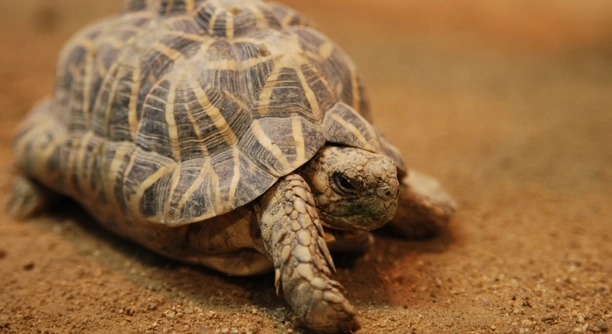
Turtles can sometimes be picky eaters, making it difficult to maintain a healthy appetite. Understanding the factors that influence their eating habits can make a big difference in their overall health.
Improving a turtle’s appetite involves adjusting its diet, habitat, and environment. Providing fresh, nutritious food, maintaining proper water temperature, and offering variety can all encourage better eating habits. Stress reduction and proper feeding schedules also play a vital role.
By making a few simple changes, you can help your turtle enjoy meals more regularly. Keep reading to learn how to create a feeding routine that supports their health.
Providing the Right Diet
Turtles need a balanced and varied diet to stay healthy and active. Fresh vegetables like leafy greens, such as kale and collard greens, are essential. Protein, like insects or fish, should also be part of their meal plan. It’s crucial to avoid processed or unhealthy foods that can harm their digestion. Too many high-protein foods can lead to kidney problems or obesity. Offer a range of food choices so your turtle can get the nutrients it needs. Remember to wash all vegetables to remove pesticides or chemicals. Supplementing their diet with calcium and vitamin D is also important for healthy shell growth.
To ensure your turtle’s diet is suitable, research the species you own. Each turtle has specific dietary needs, and knowing what’s best will help improve their appetite and overall health.
Don’t forget that fresh water is just as important. Change the water regularly to maintain a clean environment. Turtles are often more willing to eat when their habitat feels safe and hygienic. Providing clean food and water not only improves their appetite but also their general well-being.
Temperature and Habitat Conditions
The temperature in your turtle’s environment plays a big role in its eating habits. Turtles are cold-blooded, which means they depend on their surroundings to regulate body temperature. When the water is too cold or too hot, it can affect their appetite and make them less active. It’s best to maintain the water temperature between 75-85°F. A basking area with a heat lamp should be available for them to warm up when needed. These temperature adjustments will help keep your turtle comfortable and encourage feeding.
If the temperature isn’t ideal, your turtle might not be hungry or might become lethargic. Ensuring the right environmental conditions can stimulate eating and help them feel more relaxed during feeding times. A little investment in maintaining the right habitat can make a significant difference.
Reducing Stress
Turtles can lose their appetite when they feel stressed. Overcrowded tanks, loud noises, or too much handling can cause them anxiety. It’s important to provide a quiet, calm environment. Make sure their tank is the right size, and avoid excessive interaction unless necessary.
A stressed turtle might hide more often or show little interest in food. To reduce stress, ensure your turtle has a space to retreat to where it feels secure. Keep the lighting natural, and place the tank in a quiet area away from heavy foot traffic. Small adjustments in their environment can make a big difference in their eating habits.
Additionally, avoid moving their tank or changing its setup too frequently. Constant changes to their environment can create unnecessary stress. A stable environment helps them feel safe and comfortable, leading to better feeding habits. Slow and steady adjustments work best for encouraging your turtle to eat regularly.
Creating a Feeding Schedule
A regular feeding schedule can help turtles develop a healthy eating routine. Turtles are creatures of habit, and consistency can make them feel more comfortable during meal times. Feed your turtle at the same time each day to help establish a sense of routine.
Feeding at the same time helps your turtle anticipate meals, making it more likely to eat. Don’t feed your turtle too frequently or too much at once, as this can lead to overfeeding and unhealthy weight gain. Stick to small portions and remove uneaten food after 15 to 20 minutes to keep the tank clean.
Over time, your turtle will start to expect food at certain times, improving its overall appetite. This structured routine also prevents overeating and helps with digestion. Stick to a consistent schedule and monitor your turtle’s response to see what works best for its eating habits.
Offering Variety in Food
Turtles can become bored with eating the same food every day. Offering a variety of foods keeps things interesting for them and ensures they get a wide range of nutrients. Try adding fruits, vegetables, and protein sources like worms, shrimp, or fish.
Variety also helps balance their diet, providing the necessary vitamins and minerals. Changing up their meals can stimulate their appetite and keep them engaged. A mix of textures and flavors will encourage them to eat more consistently. Don’t overdo it with treats, but a little variety goes a long way in maintaining healthy eating habits.
Avoid Overfeeding
Overfeeding can be a common mistake. It might seem like giving your turtle extra food will help boost its appetite, but it often has the opposite effect. When turtles are overfed, they can become lazy or refuse food entirely.
Turtles that are given too much food may also become overweight, leading to further health issues. Stick to appropriate portion sizes based on your turtle’s age and size. Feed them smaller portions to avoid leftover food. This will encourage them to eat their meals and maintain a healthy weight.
Enhancing Water Quality
Turtles are highly sensitive to water quality, and poor conditions can affect their appetite. Regular water changes and proper filtration are essential to keep the environment clean and safe. Turtles are more likely to eat when they feel comfortable in their habitat.
Dirty or stagnant water can lead to health problems, making your turtle feel unwell and less likely to eat. Keeping the water clean is not only important for their health but also for encouraging a good appetite. Regularly check water temperature, pH levels, and filter status to ensure an optimal environment.
FAQ
How do I know if my turtle is not eating enough?
If your turtle is not eating enough, you might notice a drop in its activity level, a decrease in its weight, or it might appear lethargic. Their shell could also look dull or unhealthy, which indicates poor nutrition. A turtle that isn’t eating may spend more time hiding and avoiding food. Keep an eye on the amount of food left in the tank after feeding. If it’s consistently uneaten or if your turtle doesn’t show interest in food over multiple days, it’s a good idea to reassess its environment, diet, and health. If this behavior persists, consider consulting a veterinarian for further guidance.
What should I do if my turtle is not eating because of stress?
If stress is causing your turtle not to eat, you need to address the stressors. Overcrowding, excessive noise, or sudden changes in the environment can be triggering anxiety. Start by minimizing handling and creating a quiet, peaceful space for your turtle. Make sure its tank is the right size and properly equipped, with adequate heating and lighting. Also, check the water quality regularly, as poor water conditions can lead to stress. By reducing stressors and providing a safe environment, your turtle may start to eat more regularly.
Can I feed my turtle a diet that’s mostly fruit?
Feeding your turtle a diet mainly consisting of fruit is not ideal. While fruits can be a healthy treat, they are high in sugar and do not provide all the necessary nutrients that your turtle needs. A well-balanced diet should include a mix of vegetables, proteins, and occasional fruits. Leafy greens, such as kale or dandelion, and proteins like worms, fish, or pellets, should make up the bulk of your turtle’s diet. Fruits can be offered in small quantities, but they should not be the main source of nutrition.
How do I encourage my turtle to eat new foods?
Introducing new foods can be tricky, but you can gradually encourage your turtle to try different options. Start by offering small amounts of new food along with their usual favorites. You can try different textures, colors, and flavors, as turtles might be more likely to try something that’s visually appealing or different. Additionally, you can lightly drizzle food with water or place it in a shallow dish to make it easier for them to access. Patience is key, as some turtles take time to adapt to new foods.
Should I supplement my turtle’s diet with vitamins?
Supplementing your turtle’s diet with vitamins, particularly calcium and vitamin D, is often necessary, especially if the turtle’s diet is lacking in these nutrients. Vitamin D helps your turtle absorb calcium, which is essential for shell growth and bone health. However, it’s important to not over-supplement, as this can lead to health issues. Calcium supplements should be offered in moderation, usually in the form of a powder sprinkled over their food. Before adding supplements, it’s a good idea to check with a veterinarian to ensure your turtle’s specific needs are being met.
What is the best way to feed my turtle in the tank?
Feeding your turtle in the tank is perfectly fine, but make sure that the food doesn’t pollute the water. Place the food in a shallow dish or area of the tank where it can be easily eaten and won’t sink to the bottom to decay. After feeding, remove any uneaten food promptly to maintain water quality. Avoid placing food directly in the water if it’s likely to dissolve or turn the water cloudy. Some people also choose to feed their turtles outside of the tank in a separate feeding area to keep the habitat cleaner.
Can I overfeed my turtle?
Yes, overfeeding can lead to health problems such as obesity, which can affect your turtle’s mobility and overall health. Turtles have slow metabolisms, and feeding them too much food can lead to excessive weight gain. Stick to appropriate portion sizes based on your turtle’s age and size. A healthy feeding routine includes giving them the right amount of food for their needs and removing leftovers to prevent spoilage. Pay attention to their activity level and adjust feeding amounts if you notice weight gain or lethargy.
How can I tell if my turtle is healthy enough to eat?
A healthy turtle will show interest in food, have bright eyes, and an active demeanor. Its shell should be smooth, clean, and free of any soft spots, and its skin should appear clear without any signs of infection. If your turtle is healthy but not eating, check its environment, such as temperature, water quality, and stress levels. Sometimes, a change in appetite can also be a sign of an underlying health issue, such as parasites or infections, so if your turtle’s behavior doesn’t improve, a visit to the vet is recommended.
How often should I feed my turtle?
The frequency of feeding depends on the age and species of your turtle. Generally, younger turtles need to be fed more often, about once or twice a day, while adult turtles can be fed every other day or even three times a week. Be sure to follow specific guidelines based on your turtle’s species to avoid overfeeding or underfeeding. A feeding schedule helps maintain a healthy appetite and routine, while also preventing digestive issues. Keep an eye on their weight and adjust feeding frequency if necessary.
Why isn’t my turtle eating even after I try everything?
If your turtle continues to refuse food despite trying different foods, changing their environment, or addressing potential stressors, it might have a health problem. Infections, parasites, or other underlying conditions can cause a turtle to lose its appetite. If you’ve adjusted the temperature, feeding schedule, and diet, and your turtle still isn’t eating, it’s time to take them to a veterinarian who specializes in reptiles. A professional can determine whether there’s an issue that needs treatment and help you get your turtle back on track.
Final Thoughts
Improving your turtle’s appetite involves creating the right environment and providing a balanced diet. Turtles are naturally picky eaters, but with the right care, they can develop a healthy and consistent appetite. Ensuring that your turtle has a clean and comfortable habitat with the proper temperature and water quality is essential. A calm and quiet space will reduce stress, which can often be a reason for a lack of interest in food. Proper lighting, heating, and water filtration systems will all contribute to their overall well-being, making them more likely to eat regularly.
Diet plays a major role in stimulating a turtle’s appetite. A variety of fresh vegetables, fruits, and protein sources should be offered to make mealtime more appealing. Turtles can become bored with the same foods every day, so changing up their meals is important. Avoid feeding them too much of any one food type, especially high-sugar fruits or protein-heavy foods. It’s also essential to avoid overfeeding, as this can lead to obesity and other health problems. Offering food at regular times each day can also help establish a healthy eating routine and prevent overeating.
If you’ve tried making adjustments to their diet and environment but your turtle still isn’t eating, it might be time to seek veterinary advice. There could be an underlying health issue that’s affecting their appetite. Whether it’s a minor infection or something more serious, professional guidance can help get your turtle back on track. Patience is key when dealing with feeding issues. By making thoughtful changes and maintaining a calm, clean environment, your turtle’s appetite and overall health will improve over time.

Hello,
If you enjoy the content that we create, please consider saying a "Thank You!" by leaving a tip.
Every little bit helps us continue crafting quality advice that supports the health, happiness, and well-being of pets around the world, for pets of all shapes, sizes, and species.
We really appreciate the kindness and support that you show us!