
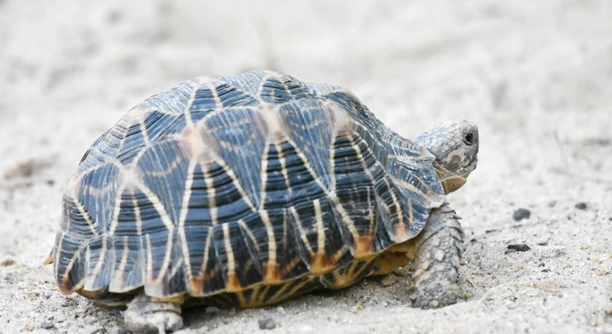
Turtles are fascinating creatures, and their shells are an essential part of their protection and well-being. However, it’s concerning when their shells appear to be growing thicker than usual. Understanding the cause is important for their care.
A thickening shell in turtles can occur for several reasons, including improper diet, lack of UVB light, or underlying health conditions. It is crucial to monitor your turtle’s environment and provide a balanced diet to maintain a healthy shell.
Taking the time to understand the potential causes behind this change will help ensure your turtle’s overall health and comfort. A few simple changes can make a big difference in your turtle’s shell condition.
Common Causes of a Thickening Shell
A thickening shell in a turtle can result from various factors. One primary reason is an imbalance in the diet. If your turtle’s diet lacks essential nutrients, like calcium or vitamin D, it can affect the growth of the shell. A lack of proper UVB lighting is another significant factor. UVB rays help turtles absorb calcium from their food, and without enough exposure, their shells can become thick and unhealthy. Additionally, a lack of proper hydration can affect their overall health, including the condition of their shells.
Overfeeding is another common issue. When turtles are overfed, especially with food that is high in fat or low in essential nutrients, it can cause unhealthy shell growth. Offering a well-rounded diet with sufficient vegetables, protein, and calcium is essential for proper shell development. Monitoring your turtle’s shell and overall health regularly can help you catch any issues early.
Importance of Proper Diet
The diet of a turtle plays a major role in shell health. Without the right balance, it can result in thickening and other shell problems. Turtles require a combination of plant matter, protein, and supplements like calcium.
A well-balanced diet ensures that your turtle gets the nutrients it needs to keep its shell strong and healthy. Make sure to offer a variety of vegetables and occasional protein, depending on the species of turtle. Using supplements like cuttlebone can provide the extra calcium your turtle might need for healthy shell growth.
UVB Lighting and Shell Health
UVB lighting is vital for your turtle’s shell development. It helps your turtle absorb the calcium in its food. Without adequate UVB exposure, your turtle may struggle to maintain a healthy shell. The right kind of UVB light will also allow your turtle to properly regulate its calcium metabolism.
A deficiency in UVB can lead to shell thickening or even deformities. You should place the UVB light near the turtle’s habitat, ensuring it is at the correct distance for proper absorption. Replace bulbs as recommended by the manufacturer to ensure consistent UVB output. Additionally, you should provide your turtle with an outdoor enclosure when possible, to allow natural sunlight exposure.
Overfeeding and Shell Thickness
Overfeeding can lead to thickening of your turtle’s shell. When turtles eat too much, especially foods rich in fat, it can disrupt their normal growth. A diet too high in fat and too low in calcium can affect their shell’s condition.
To prevent this, try sticking to a feeding schedule. Offer an appropriate amount of food based on your turtle’s size and age. Focus on providing healthy vegetables, lean protein, and proper calcium supplements. If your turtle tends to overeat, consider reducing portion sizes and avoiding feeding it too often. The right balance is essential for maintaining a healthy shell.
Hydration and Shell Health
Proper hydration is crucial for your turtle’s overall health. Dehydration can lead to health issues, including thickened shells. Turtles need to stay hydrated to support their metabolism and shell growth.
Always provide a clean water source for your turtle to drink from. If your turtle is primarily land-dwelling, soaking it in water regularly can also help. The water temperature should be appropriate for the species, as cold water can stress your turtle and affect its hydration. Make sure to change the water regularly to avoid bacterial buildup. Proper hydration helps ensure your turtle’s shell stays healthy.
Health Conditions Affecting Shell Growth
Certain health conditions can cause your turtle’s shell to thicken. These may include metabolic bone disease or shell rot, both of which can cause abnormal shell growth. Regular vet check-ups can help detect these conditions early.
If your turtle’s shell is thickening and other symptoms like lethargy or loss of appetite are present, it’s important to seek veterinary care. A veterinarian can diagnose any underlying health issues and recommend a proper course of treatment. Early intervention can prevent further complications and ensure your turtle stays healthy.
Environmental Factors
Environmental factors like temperature and humidity can also affect your turtle’s shell health. A habitat that is too cold or too dry can disrupt shell growth.
Turtles require a warm and humid environment to thrive. Ensure that the habitat has proper heating and humidity levels for your turtle’s species. If the enclosure is too dry, consider adding a humidifier or providing a water source to help maintain ideal conditions for your turtle’s shell and overall well-being.
FAQ
Why is my turtle’s shell thickening?
A thickening shell in turtles is often caused by several factors, including poor diet, insufficient UVB lighting, overfeeding, or dehydration. Lack of proper nutrition, especially calcium, or an imbalance of fatty foods can lead to improper shell development. Without UVB light, turtles struggle to absorb calcium, which affects their shell health. Ensure your turtle is receiving a balanced diet with calcium supplements and has access to adequate UVB lighting.
What can I do to help my turtle’s shell?
The first step is to examine your turtle’s diet. Provide a balanced mixture of leafy greens, vegetables, and appropriate protein. Ensure you are offering calcium supplements such as cuttlebone or calcium-rich foods. Secondly, ensure proper UVB exposure and hydration. Lastly, avoid overfeeding and create a comfortable, warm environment for your turtle.
How can I tell if my turtle has shell rot?
Shell rot typically manifests as soft, discolored patches on the turtle’s shell. These areas may look pitted or have a foul odor. If your turtle has shell rot, you may notice a reduction in activity, and the affected areas may become soft or brittle. A visit to the vet is needed for proper treatment, which may involve cleaning and medication.
Can improper lighting cause shell thickening?
Yes, improper lighting, particularly the lack of UVB light, can cause shell thickening. UVB light helps turtles synthesize vitamin D3, which in turn aids in calcium absorption. Without adequate UVB exposure, calcium cannot be absorbed properly, leading to unhealthy shell growth. It’s essential to provide your turtle with UVB lighting for about 10-12 hours a day.
How do I provide proper hydration for my turtle?
Providing hydration is crucial for your turtle’s shell and overall health. Always have a clean water source available. If your turtle is land-dwelling, it’s helpful to soak them in water for 15-20 minutes a few times a week. The water should be at the correct temperature for the species. Changing the water regularly helps maintain its cleanliness and keeps your turtle hydrated.
What are the signs that my turtle isn’t getting enough calcium?
If your turtle is not getting enough calcium, you may notice the shell becoming soft, weak, or deformed. The turtle’s bones could also appear fragile, and the shell may become unusually thick. You might also notice irregular growth or discoloration. Offering calcium supplements, such as cuttlebone or calcium-rich food, can help improve the situation.
Can my turtle’s shell return to normal?
With the right care, a turtle’s shell can improve over time. If the thickening is due to dietary issues or improper lighting, correcting those factors will help the shell regain its proper condition. However, if the shell damage is severe or caused by a health condition, recovery may require veterinary intervention.
How often should I change the water in my turtle’s tank?
You should change the water in your turtle’s tank at least once a week. If the water is heavily soiled or if your turtle spends a lot of time in the water, more frequent changes might be necessary. A good filtration system can help reduce the frequency of water changes but shouldn’t replace regular maintenance.
What type of lighting do turtles need?
Turtles need both UVA and UVB lighting. UVA helps regulate their activity levels, while UVB is essential for vitamin D3 synthesis and calcium absorption. Use a UVB bulb that emits light in the proper spectrum, and replace it as recommended by the manufacturer. Ensure your turtle is exposed to this light for around 10-12 hours a day.
How do I prevent my turtle from overfeeding?
To prevent overfeeding, follow a strict feeding schedule. Only offer the recommended portions based on your turtle’s size and species. Remove uneaten food after a set period to avoid the temptation of overeating. Additionally, avoid feeding your turtle too often; once every other day or as recommended for your turtle’s species is usually ideal.
Should I soak my turtle?
Yes, soaking your turtle is beneficial, especially if it’s a land-dwelling species. It helps with hydration and allows your turtle to digest its food properly. A soaking session should last about 15-20 minutes in warm water. Ensure that the water is not too hot or cold for your turtle’s comfort.
What if my turtle’s shell is cracked or damaged?
If your turtle’s shell is cracked or damaged, it’s essential to seek veterinary care immediately. A vet can clean the wound, apply necessary treatments, and prevent infection. In some cases, the damage may require surgical repair. Keeping the turtle in a clean, calm environment during recovery will help the healing process.
Can a thickened shell indicate a health problem?
Yes, a thickened shell can indicate underlying health issues like metabolic bone disease, improper calcium absorption, or vitamin deficiencies. It’s essential to keep track of your turtle’s overall health, monitor its diet, and ensure proper lighting and hydration. If you notice any other symptoms, it’s best to consult a veterinarian for an accurate diagnosis.
How can I improve my turtle’s shell health?
To improve your turtle’s shell health, make sure it receives the right balance of nutrients, especially calcium. Offer a variety of leafy greens, vegetables, and occasional protein. Provide UVB lighting and proper hydration. Ensure that your turtle’s habitat is at the correct temperature and humidity levels for its species.
Final Thoughts
A turtle’s shell is an essential part of its health and well-being. When it starts to thicken, it can be a sign that something is off in its environment or diet. Many factors contribute to this, from improper lighting and diet to dehydration and overfeeding. Understanding the root causes of shell thickening is key to addressing the issue and ensuring your turtle remains healthy. With proper care, you can help your turtle maintain a strong, healthy shell that will continue to protect it for years.
To prevent shell issues, focus on creating a balanced environment for your turtle. Ensure it gets enough UVB exposure to help absorb calcium, and feed it a variety of healthy foods, including leafy greens and protein sources. Providing calcium supplements, like cuttlebone, can also help support shell health. Keep an eye on how much you feed your turtle and avoid overfeeding, as excess fat can contribute to thickening shells. Proper hydration is equally important, so make sure your turtle has access to fresh water and is soaking regularly if needed. Regular monitoring of your turtle’s health can help catch any potential problems early.
In some cases, thickening shells may be a sign of an underlying health issue, such as metabolic bone disease or shell rot. If the shell doesn’t improve with adjustments to diet and lighting, or if you notice other symptoms like lethargy or loss of appetite, it’s important to consult a veterinarian. A professional can properly diagnose the issue and provide guidance on treatment. By staying vigilant and making small changes to your turtle’s care, you can ensure it lives a long, healthy life with a shell that stays in great shape.

Hello,
If you enjoy the content that we create, please consider saying a "Thank You!" by leaving a tip.
Every little bit helps us continue crafting quality advice that supports the health, happiness, and well-being of pets around the world, for pets of all shapes, sizes, and species.
We really appreciate the kindness and support that you show us!