
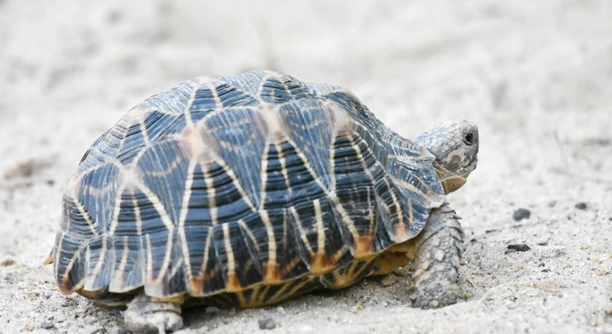
Turtles are fascinating creatures, often known for their slow and steady nature. However, providing them with a safe space to hide is essential for their well-being. A good hiding spot can reduce stress and improve their quality of life.
The best hiding spots for turtles typically include areas with plants, rocks, or logs that mimic their natural habitat. These hiding spots provide security and allow turtles to feel safe while resting or retreating from potential threats.
Creating an environment where turtles can comfortably hide enhances their overall health. Learning the most effective hiding spots will ensure your turtle’s habitat is both safe and enriching.
1. Dense Plants and Shrubs
Turtles are naturally drawn to areas where they can blend in and feel secure. Dense plants and shrubs offer the perfect hiding spots. The thick foliage provides a sense of privacy, shielding turtles from predators and giving them a place to rest. When setting up a habitat, it’s important to include low-growing plants like ferns or grasses that create a layered effect. These plants not only offer protection but also mimic the turtle’s natural environment, which helps reduce stress. A well-planted area will help your turtle feel more at home.
Creating a habitat with plenty of plants is essential for turtles. The right plants can offer both cover and shade, which are crucial for their comfort.
Incorporating dense plant growth allows your turtle to retreat during the day or night when it needs rest or feels threatened. Plants like water lilies or soft-leafed shrubs are great options. Make sure to place them strategically in your turtle’s enclosure so that it has various spots to retreat to. Keeping the plants well-maintained ensures your turtle’s hiding area stays safe and clean. Plants not only offer protection but also encourage your turtle to explore. This type of environment will allow your turtle to thrive in its habitat, supporting both its physical and mental well-being.
2. Rocks and Logs
Rocks and logs serve as essential hideaways for turtles. They provide elevated spots for turtles to rest or bask, giving them the privacy they need. Adding a few rocks or logs in their enclosure ensures a more natural setting.
These hiding spots mimic the places turtles use in the wild to seek shelter.
3. Soft Bedding Materials
Soft bedding materials like coconut fiber or sand provide a comfortable hiding spot for turtles. These materials allow them to burrow and create a secure environment, which is key for their mental and physical health.
The soft bedding mimics the environment turtles are used to in the wild, where they often hide under soil or leaves. It gives them a place to feel hidden and protected, offering more than just a comfortable resting area. The softness helps avoid injuries to their sensitive shells, especially when they need to hide or move about.
Using soft bedding like coconut fiber or soil ensures that your turtle has a place to retreat while keeping its habitat clean and safe. The substrate absorbs moisture, creating a more natural environment. Avoid using sharp or rough materials, as they can cause injury. Regularly change the bedding to prevent bacteria buildup and ensure the space remains hygienic for your turtle. A well-maintained bedding area gives your turtle an ideal spot to rest, hide, and feel secure.
4. Water Areas
Water areas in the habitat are essential hiding spots for turtles. When your turtle feels the need to escape, it often retreats into water where it feels most comfortable and safe.
Creating a small, shallow water area with a place for the turtle to submerge itself can provide it with a sense of protection. The water allows for natural behavior like swimming or hiding under submerged rocks. A small, quiet pond or a water bowl with a shallow depth can work as a quick hideaway. Keeping the water clean is vital for turtle health.
Setting up a designated water area with a mix of shallow and deep parts allows the turtle to control how much it wants to submerge. A turtle’s instinct to dive into water to escape danger is strong, and providing this option gives them a sense of security. The water should be changed regularly to maintain a clean environment, as stagnant water can cause stress or health problems. Make sure the water area is easy for your turtle to enter and exit. This feature of the habitat will make your turtle feel more comfortable and provide a space to hide when needed.
5. Terracotta Pots
Terracotta pots are another simple and effective hiding spot for turtles. They provide a safe, enclosed area for your turtle to retreat and rest. Place the pot sideways in the enclosure to create a tunnel-like entrance.
These pots also help maintain a comfortable temperature for the turtle. The thick material keeps the area inside the pot cool in hot weather and warm in cooler weather. Make sure the pot has no sharp edges to avoid injuring your turtle as it moves in and out. Regularly check to ensure it remains clean and free of mold.
6. Driftwood
Driftwood creates a natural, secure environment for turtles. It provides both shelter and a resting place. The unique texture of driftwood adds variety to the habitat while giving your turtle a space to hide and explore.
Driftwood offers a mixture of shade and privacy, which turtles need to feel safe. It’s also perfect for basking when placed in the sun. Choose driftwood that is safe and untreated, free of chemicals that could harm your turtle. It should be placed in a way that allows your turtle to hide under or between the pieces easily.
FAQ
What are the best hiding spots for a turtle?
The best hiding spots for turtles include dense plants, rocks, logs, soft bedding materials like coconut fiber, water areas, terracotta pots, and driftwood. These options provide your turtle with places to rest and feel secure. Plants offer privacy and natural shelter, while rocks and logs create elevated areas where turtles can bask and hide. Soft bedding materials help turtles burrow and stay hidden. Water areas allow them to submerge and escape when they feel threatened. Terracotta pots and driftwood offer easy, safe hideaways.
How do I create a good hiding spot for my turtle?
To create a good hiding spot, combine natural elements like plants, rocks, and logs. Ensure the materials are safe, clean, and comfortable for the turtle. The hiding spots should be placed in different areas of the habitat to allow the turtle to move freely. Soft bedding or terracotta pots can be added for extra comfort and security. Providing varied hiding spots encourages natural behavior and keeps your turtle healthy and stress-free.
Can I use artificial plants for hiding spots?
Artificial plants can work, but they should be free from sharp edges that could injure your turtle. While real plants are ideal for offering natural hiding places, artificial plants can still create a sense of privacy. Make sure the artificial plants are safe for aquatic environments, especially if your turtle has access to water.
Do turtles need to hide during the day?
Turtles often hide during the day for rest or to avoid stress. In the wild, they seek shelter to escape predators and to cool down or warm up as needed. Providing them with a place to hide in their enclosure mimics their natural behaviors, keeping them safe and comfortable.
How often should I clean my turtle’s hiding spots?
Cleaning your turtle’s hiding spots regularly is important for preventing bacteria and mold growth. Ideally, you should clean these areas once a week, especially if they are in water or have bedding material. Regular cleaning ensures a healthy and safe environment for your turtle and reduces the risk of illness.
Can I use a rock or log as a basking area?
Yes, rocks and logs can also serve as basking areas for turtles. When placed correctly in the sunlight or under a heat lamp, rocks and logs give turtles a place to soak up warmth. Ensure that the surface is smooth enough to prevent injury. The basking area should be dry and easy for the turtle to access.
Are there any hiding spots I should avoid?
Avoid using materials that can harm your turtle, such as sharp-edged rocks, plastic plants, or anything with chemicals. Also, steer clear of creating hiding spots that are too small for your turtle to move around in. These could cause stress or injury if the turtle is unable to escape easily.
How important are water areas for hiding?
Water areas are very important for hiding, especially if your turtle is aquatic or semi-aquatic. Turtles naturally seek water to escape from danger, and having a place to submerge helps mimic their natural behavior. A small pond or water bowl can provide a safe area for your turtle to retreat into when it feels threatened or wants privacy.
Can I use a hammock as a hiding spot?
A hammock can be a good resting spot for turtles, though not exactly a hiding spot. If you choose to add a hammock to your turtle’s enclosure, make sure it’s sturdy, and place it where your turtle can comfortably relax without being exposed to danger. The hammock should be positioned in a way that gives the turtle both privacy and security.
Should I have multiple hiding spots in the enclosure?
Yes, having multiple hiding spots is a great idea. Turtles feel more secure when they have a variety of places to hide and explore. Offering different types of hiding spots, such as plants, rocks, and logs, ensures your turtle can choose where it feels most comfortable, whether it’s for rest, safety, or privacy.
Can a turtle’s hiding spot affect its behavior?
Yes, the right hiding spot can greatly influence your turtle’s behavior. If the turtle feels secure in its environment, it will be less stressed and more likely to engage in natural behaviors like swimming, basking, and exploring. A lack of hiding spots or uncomfortable areas can lead to stress, which can impact a turtle’s health and happiness.
How do I make sure my turtle feels safe in its hiding spots?
To ensure your turtle feels safe, provide hiding spots that allow it to completely retreat and feel secure. The hiding spots should be placed in different areas of the enclosure to give your turtle options. Additionally, make sure the spots are clean, well-maintained, and free of potential hazards like sharp objects or chemicals.
Can I use a corner of the enclosure as a hiding spot?
Yes, using a corner of the enclosure can work as a hiding spot, especially if you add some plants or rocks to the area. A corner can give your turtle a sense of enclosure and protection. Make sure the area is spacious enough for the turtle to move and hide comfortably.
How do I prevent my turtle’s hiding spot from getting too hot or cold?
To prevent your turtle’s hiding spot from becoming too hot or cold, place it in an area that is not exposed to direct sunlight for long periods. Use heat lamps or UVB lighting to control the temperature of the basking area, but ensure that the hiding spots remain cooler. Temperature control is crucial for the turtle’s well-being, so be sure to monitor the enclosure’s temperature regularly.
Can I use a plastic container for a hiding spot?
A plastic container can be used as a hiding spot if it’s safe and free from any sharp edges or chemicals. You can cut an entrance for your turtle and place soft bedding inside to make it comfortable. Be sure to clean it regularly to prevent bacteria buildup.
Final Thoughts
Providing the right hiding spots for your turtle is essential for its well-being. Turtles, like many animals, need a safe place to retreat to when they feel stressed or threatened. Whether it’s a dense plant, a soft bedding area, or a submerged water spot, each hiding place offers its own benefits. A good hiding spot helps reduce stress, promote natural behavior, and ensure that your turtle stays happy and healthy. By mimicking the environment that turtles are accustomed to in the wild, you create a space where they can thrive.
It’s important to consider your turtle’s specific needs when setting up hiding spots. Some turtles prefer to stay on land, while others might need access to water. Some might enjoy burrowing under soft bedding, while others might prefer climbing into a log or resting beneath a rock. Providing a variety of hiding spots allows your turtle to choose where it feels most comfortable. Make sure these areas are placed strategically in the enclosure to give your turtle options and ensure it has easy access to food, water, and basking spots.
Remember that maintenance is key. Regularly cleaning and checking the hiding spots will ensure that they remain safe and hygienic. Replace bedding materials as needed, clean water areas frequently, and check for any sharp edges or debris that could harm your turtle. With the right hiding spots and proper care, your turtle will feel secure and have a happy, healthy life in its enclosure. Creating the right environment goes a long way in ensuring that your turtle is content and can live a stress-free life.

Hello,
If you enjoy the content that we create, please consider saying a "Thank You!" by leaving a tip.
Every little bit helps us continue crafting quality advice that supports the health, happiness, and well-being of pets around the world, for pets of all shapes, sizes, and species.
We really appreciate the kindness and support that you show us!