
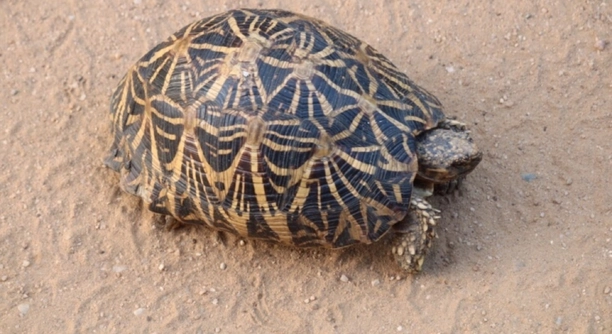
Do you want to raise a baby turtle but feel unsure about how to keep it healthy and happy? These small reptiles require proper care, from diet to habitat maintenance, to thrive in captivity and live a long, fulfilling life.
The best way to raise a healthy baby turtle is by providing a clean, temperature-controlled habitat, a balanced diet, and regular access to UVB lighting. Proper water quality, enrichment, and veterinary check-ups are also essential for their overall well-being.
A well-cared-for turtle can grow into a strong and active pet. Learning the right care techniques will help ensure your baby turtle stays healthy and adapts well to its environment.
Create the Right Habitat
A baby turtle needs a well-maintained habitat to grow properly. A spacious tank with clean water, a basking area, and UVB lighting is essential. The water should be kept at the right temperature to support your turtle’s health. A filter will help maintain water quality, reducing the risk of illness. Ensure the basking area has a heat lamp to regulate body temperature. The enclosure should mimic a natural environment, providing both swimming and dry areas. Keeping the habitat clean and well-equipped will allow your turtle to thrive in a safe and comfortable space.
A turtle’s health depends on a stable environment. Poor water quality or incorrect temperatures can cause stress and illness. A proper setup reduces health risks and promotes growth.
Make small adjustments when needed to keep conditions ideal. Monitor temperature, water quality, and lighting regularly. A well-maintained habitat helps your turtle stay strong and active.
Feed a Balanced Diet
A baby turtle needs a nutritious diet to grow strong. A mix of proteins, vegetables, and commercial turtle food ensures proper development. Feeding a variety of foods prevents deficiencies and supports overall health.
Protein is important for young turtles. Insects, worms, and small fish provide essential nutrients for growth. Leafy greens and vegetables add necessary vitamins. Commercial pellets help fill in nutritional gaps. Overfeeding should be avoided to prevent health issues. Offering food in water makes eating easier and reduces mess in the tank. Calcium supplements, such as cuttlebone, support shell strength.
Feeding on a consistent schedule helps maintain health. A baby turtle should eat daily, while older turtles eat less frequently. Remove uneaten food to keep the water clean. Watching your turtle’s appetite and adjusting portions as needed ensures balanced nutrition. Proper feeding habits contribute to a longer, healthier life.
Maintain Proper Water Quality
Dirty water can make a turtle sick. A strong filter keeps the water clean by removing waste and bacteria. Regular water changes prevent harmful buildup. Test the water often to check pH levels and ammonia. Keeping the water fresh helps prevent infections and shell problems.
A turtle’s health depends on water quality. Ammonia from waste can harm their skin and eyes. A partial water change every week keeps the tank clean. Use a dechlorinator if using tap water. The temperature should be stable, between 75-80°F, to support digestion and immune function. A clean tank reduces stress and improves overall health.
A filter should run continuously to keep water clear. Choose one rated for more than the tank’s size. Remove uneaten food quickly to prevent bacterial growth. Regularly cleaning the tank and equipment stops algae buildup. A well-maintained environment keeps a turtle active and healthy.
Provide UVB Lighting
Turtles need UVB light to absorb calcium and keep their shells strong. Without it, they can develop weak bones and deformities. A UVB bulb should be on for 10-12 hours a day. Replace the bulb every six months to ensure proper UV exposure.
A basking area should have both heat and UVB light. The temperature should be around 85-90°F to help with digestion and metabolism. Without proper lighting, turtles can become sluggish and develop soft shells. Placing the light at the right distance ensures they get enough UVB. A lack of exposure can lead to long-term health issues.
Outdoor sunlight is beneficial but not always practical. If taking the turtle outside, supervision is needed for safety. Glass and plastic block UVB, so direct sunlight works best. A high-quality UVB bulb inside the enclosure helps turtles get the light they need for strong bones and overall health.
Handle with Care
Turtles can become stressed if handled too much. They prefer to be left alone and may retreat into their shells if they feel unsafe. When handling is necessary, wash your hands before and after to prevent the spread of bacteria. Always support their body properly.
Rough handling can cause injury. Dropping a turtle, even from a short height, can damage its shell or internal organs. If a turtle seems uncomfortable, limit handling time. Observing them in their habitat is the best way to interact without causing stress. Gentle and infrequent handling keeps them comfortable.
Watch for Signs of Illness
Lethargy, lack of appetite, swollen eyes, or difficulty breathing can signal health problems. Shell discoloration or soft spots may indicate a calcium deficiency or infection. Early detection and treatment help prevent serious complications. Keeping a close eye on behavior ensures a turtle stays in good health.
Give Space to Grow
A small tank can limit movement and slow development. As a turtle grows, it will need more space to swim and explore. A properly sized habitat supports healthy growth and prevents stress. Providing a spacious tank from the beginning helps a turtle stay active and comfortable.
FAQ
How often should I clean my turtle’s tank?
A turtle’s tank should be partially cleaned every week and fully cleaned once a month. A partial clean involves changing 25-50% of the water and removing debris. A full clean includes scrubbing the tank, replacing water, and checking equipment. Regular cleaning prevents algae buildup and keeps water safe.
What temperature should the water be for a baby turtle?
The water should be kept between 75-80°F for a baby turtle. If the water is too cold, the turtle may become sluggish and stop eating. A reliable aquarium heater helps maintain a consistent temperature. Checking the temperature daily ensures the turtle stays comfortable and healthy.
Can I feed my baby turtle fruits?
Fruits should only be given as an occasional treat. While some turtles may eat small amounts of berries or melons, too much fruit can cause digestive issues. Leafy greens and vegetables are better choices for daily feeding. A diet balanced with protein and commercial turtle food supports proper growth.
Do baby turtles need a heat lamp at night?
A heat lamp is not necessary at night unless the temperature drops below 70°F. Turtles need a natural day and night cycle. If extra warmth is needed, a ceramic heat emitter provides heat without disturbing sleep. Proper nighttime temperatures help maintain a turtle’s normal activity levels.
Why is my baby turtle not eating?
A turtle may stop eating due to stress, low temperatures, or illness. Ensuring the water and basking temperatures are correct encourages appetite. Offering a variety of foods can also help. If a turtle refuses to eat for several days, a vet visit may be needed to rule out health problems.
Can I keep multiple baby turtles together?
Baby turtles can live together if they have enough space, but overcrowding can cause stress and aggression. Each turtle needs plenty of room to swim and bask. If one turtle dominates food or space, separating them may be necessary. Monitoring behavior helps ensure a peaceful habitat.
How long do baby turtles sleep?
Turtles sleep for several hours at night, usually submerged in water or resting on their basking area. They need a quiet, dark environment to rest properly. If a turtle seems overly inactive during the day, it may indicate stress or illness. A stable habitat encourages normal sleep patterns.
Why is my turtle always hiding?
Turtles hide when they feel unsafe, stressed, or are adjusting to a new environment. Providing hiding spots in the tank helps them feel secure. If a turtle hides excessively and refuses to bask or eat, checking water conditions and lighting can help identify any issues.
Can baby turtles recognize their owners?
Turtles can learn to associate their owners with food and may come to the front of the tank when they see them. While they do not bond like mammals, they can recognize familiar voices and routines. Regular, gentle interactions can help a turtle feel more comfortable.
How fast do baby turtles grow?
Growth rates depend on species, diet, and environment. Most baby turtles grow about an inch per year in their early stages. A proper diet and spacious tank support healthy growth. If a turtle’s growth seems slow or its shell appears soft, adjusting its diet and UVB lighting may help.
Do baby turtles need toys or enrichment?
Turtles benefit from enrichment, such as floating logs, live plants, and small objects to explore. Rearranging decorations occasionally can keep their environment stimulating. Providing a varied habitat encourages natural behaviors and keeps a turtle active and engaged.
Can I release my pet turtle into the wild?
Releasing a pet turtle into the wild is not recommended. Captive turtles may struggle to find food and adapt to natural conditions. They can also introduce diseases to wild populations. If rehoming is necessary, finding a responsible owner or rescue center is the best option.
Final Thoughts
Raising a healthy baby turtle takes effort, but the right care makes a big difference. A clean habitat, proper lighting, and a balanced diet are key to keeping a turtle strong and active. Paying attention to water quality, temperature, and nutrition helps prevent health problems. Small details, like providing a safe basking area and avoiding overfeeding, contribute to a turtle’s well-being. Simple daily routines, such as checking the tank and offering fresh food, keep everything running smoothly. A well-maintained environment allows a turtle to grow comfortably and develop properly.
Turtles may not show affection like traditional pets, but they recognize routines and respond to care. Watching a turtle swim, bask, and explore its surroundings can be rewarding. Understanding their behaviors and needs makes caring for them easier. Handling should be limited to avoid stress, but gentle interactions can help them feel secure. If a turtle shows signs of illness, acting quickly improves the chances of recovery. Regular checkups with a reptile vet ensure a turtle stays in good health. Staying consistent with care builds a stable and safe environment.
A healthy turtle can live for decades, making them a long-term commitment. Providing enough space as they grow ensures they remain comfortable over time. Learning about their species-specific needs helps avoid common mistakes. Small adjustments, like upgrading the tank or changing their diet, keep them thriving. Turtles require patience and attention, but with proper care, they can live a long and fulfilling life.

Hello,
If you enjoy the content that we create, please consider saying a "Thank You!" by leaving a tip.
Every little bit helps us continue crafting quality advice that supports the health, happiness, and well-being of pets around the world, for pets of all shapes, sizes, and species.
We really appreciate the kindness and support that you show us!