
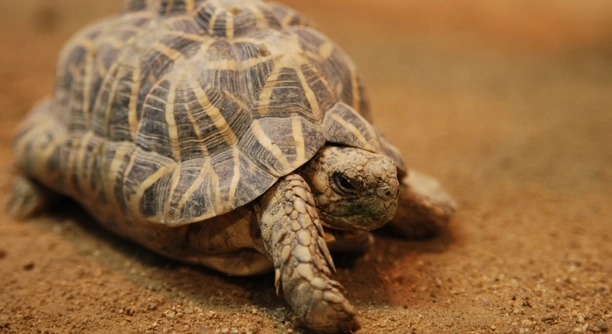
Turtles are fascinating creatures, and observing their behavior can be both entertaining and puzzling. One common behavior that might leave you wondering is when your turtle keeps digging. This article explores why that happens.
Turtles often dig for various reasons, including nesting instincts, searching for food, or trying to create a comfortable environment. Stress, improper habitat conditions, or seasonal changes can also trigger digging behavior. Understanding these factors is key to addressing the issue.
The next sections will help you better understand your turtle’s behavior and how to ensure it thrives in its environment.
Nesting Behavior
Turtles are instinctively driven to dig when they are preparing to nest. Female turtles, especially, will dig to create a safe and suitable area for laying their eggs. This natural behavior can be observed more frequently during the breeding season. If your turtle is a female, this may explain why it spends time digging in its enclosure. It’s important to provide a suitable environment for this behavior, with enough space and the right substrate for digging. A nesting area should be deep enough for your turtle to bury its eggs securely, mimicking conditions found in the wild.
In the wild, turtles dig to ensure their eggs have the best chance of survival. You can help by providing proper nesting materials such as moist soil or sand in a quiet, low-traffic area of their habitat. Keep the temperature and humidity levels regulated to simulate the right environment.
Making these adjustments to your turtle’s enclosure will reduce stress and provide a safe, comfortable space for nesting when needed.
Searching for Food
Turtles often dig to search for food, especially if they feel their habitat doesn’t provide enough nutrition. In the wild, they would naturally forage for plants, insects, and other small animals. If they feel hungry or underfed, they might resort to digging to find something to eat.
Ensure your turtle’s diet includes all the necessary nutrients, such as leafy greens, vegetables, and protein sources. If your turtle has access to a varied, balanced diet, it may reduce the urge to dig in search of food. Regularly check to ensure your turtle’s food is fresh and appropriately offered.
Creating a feeding schedule and offering food in a designated area will help your turtle stay nourished and reduce the tendency to dig excessively. Additionally, providing variety in their diet will keep them satisfied and promote better health.
Stress and Anxiety
Stress is another common reason your turtle may be digging. Changes in its environment, such as new tank mates, loud noises, or even a move to a new habitat, can trigger this behavior. When turtles are stressed, they may try to escape or hide by digging.
To reduce stress, keep the turtle’s environment stable. Avoid sudden changes, and try to maintain a calm, quiet space for your turtle. A suitable tank size with enough hiding spots will help it feel secure. A predictable routine for feeding and cleaning can also reduce stress levels.
Providing a consistent environment with the right temperature and lighting will create a sense of comfort for your turtle. Monitoring its behavior regularly can help you catch any signs of stress early. When turtles feel safe, they are less likely to dig excessively.
Habitat Issues
If your turtle’s habitat is not suitable, it may resort to digging as a sign of discomfort. An improper substrate, too small of a tank, or inadequate lighting can affect your turtle’s behavior. Turtles are known to dig in an attempt to adjust their surroundings to meet their needs.
To prevent this, ensure your turtle’s tank is large enough for them to move freely. The substrate should be appropriate for digging; a mix of soil and sand is often recommended. The lighting should mimic natural sunlight, and the temperature should remain consistent.
If your turtle’s environment is unfit, it may become frustrated and dig more often. Adjusting the habitat to meet your turtle’s natural needs can ease this behavior. Regular tank maintenance is crucial to ensure it remains a safe, comfortable space.
Seasonal Changes
During certain seasons, turtles may dig more as they respond to environmental changes. As temperatures drop or rise, they might dig to regulate their body temperature or prepare for a form of hibernation. This is a natural response to changes in their surroundings.
To accommodate this, monitor your turtle’s environment closely, adjusting the temperature or lighting to ensure it remains comfortable. Be mindful of seasonal changes and how they affect your turtle’s behavior. Provide a safe, temperature-controlled space that allows for necessary adjustments.
Ensuring a stable environment helps reduce unnecessary digging during seasonal transitions. This will keep your turtle comfortable and allow it to adapt without stress.
Hormonal Changes
Hormonal changes, particularly in female turtles, can cause them to dig. If your turtle is reaching sexual maturity or is in the breeding season, digging may increase. This behavior is related to their instinct to find a suitable place for laying eggs.
Monitor your turtle for signs of hormonal changes, such as increased digging or restlessness. Providing a quiet, undisturbed area may help if it is preparing to nest. Be aware that this behavior is entirely natural, and your turtle may need space to carry out these instincts.
Understanding hormonal changes helps in supporting your turtle’s needs during these periods, ensuring their environment allows for natural behavior.
Boredom
Boredom is another factor that may cause your turtle to dig. If it doesn’t have enough stimulation or enrichment, it may engage in digging to pass the time. Turtles are naturally curious and require activities that keep their minds active.
Provide a variety of safe toys or obstacles for your turtle to interact with. Hiding food, adding plants, or creating new areas within the habitat can provide the stimulation your turtle needs. This will help reduce excessive digging caused by a lack of engagement.
FAQ
Why does my turtle keep digging in its tank?
Digging is often a natural behavior for turtles. They may dig to create a comfortable space, especially during nesting periods or seasonal changes. Other reasons may include stress, boredom, or hormonal changes. Monitoring your turtle’s environment and behavior can help determine the root cause.
Can stress cause my turtle to dig?
Yes, stress is a common reason turtles dig. Stress can result from changes in their environment, like new tank mates, loud noises, or even inadequate water quality. When stressed, turtles might dig as a way to cope. Ensuring a calm, quiet space and maintaining stable tank conditions can help reduce stress.
How do I know if my turtle is digging due to nesting behavior?
If your female turtle is digging during the breeding season, it is likely related to nesting behavior. During this time, she will search for a suitable place to lay her eggs. Providing a suitable nesting area with appropriate substrate like moist sand or soil will help her complete this process naturally.
What can I do if my turtle is digging because of boredom?
If your turtle is digging out of boredom, providing enrichment can help. Adding items like floating logs, plants, or hiding places will give your turtle more to explore. You can also hide food around the tank to encourage foraging behavior, which can reduce unnecessary digging.
Is my turtle digging because it’s stressed?
Yes, turtles may dig when they are stressed. This can be caused by a variety of factors, such as environmental changes, loud noises, or inadequate habitat conditions. Ensure that your turtle’s enclosure is stable, and avoid sudden changes. A quiet, peaceful environment helps reduce stress and the digging behavior associated with it.
How can I create a proper nesting area for my turtle?
To create a suitable nesting area, provide a deep area in the enclosure with moist soil or sand where your turtle can dig. The area should be quiet and undisturbed to allow your turtle to feel comfortable while nesting. Regularly check the area to ensure it remains clean and accessible.
Can seasonal changes cause my turtle to dig more?
Yes, turtles may dig more during seasonal changes, particularly as temperatures rise or fall. This behavior is often a way for them to regulate their body temperature or prepare for a form of hibernation. Be mindful of seasonal shifts and adjust your turtle’s habitat temperature and lighting accordingly.
How do I know if my turtle is digging because of health issues?
Health problems can sometimes cause turtles to dig, especially if they are in discomfort. If the digging is accompanied by other unusual behaviors, such as lethargy, loss of appetite, or changes in shell condition, it’s best to consult a vet. Regular check-ups can help rule out health concerns that might lead to abnormal digging.
What type of substrate should I use to prevent excessive digging?
A good substrate for turtles is one that mimics their natural environment and allows for digging. Consider using a mixture of soil and sand, which provides the right consistency for digging. Make sure the substrate is clean, free of chemicals, and deep enough to allow your turtle to dig comfortably.
Does the size of my turtle’s enclosure affect its digging?
Yes, the size of the enclosure can influence how much your turtle digs. A small tank may make your turtle feel confined, leading to stress and increased digging. A larger, well-planned habitat with enough space for your turtle to roam freely can reduce the urge to dig excessively.
What is the role of lighting in turtle digging behavior?
Lighting is important for turtles because it affects their activity levels and overall health. Improper lighting can cause stress or confusion, leading to behaviors like digging. Ensure your turtle’s habitat has both UVB and UVA lights to support its natural rhythms. Proper lighting also helps regulate its sleep cycle and digestive health.
How can I reduce digging caused by hormonal changes?
During the breeding season, female turtles are more likely to dig as part of their nesting instincts. While you cannot control their hormones, you can provide a nesting area to accommodate this behavior. This can help your turtle feel comfortable and reduce stress during hormonal changes. Avoid handling the turtle too much during this period.
Is it normal for my turtle to dig at night?
It is normal for turtles to dig at night, especially if they are nocturnal species. Turtles are often more active during the night, and digging can be part of their natural behavior. Ensure that your turtle’s enclosure is set up to accommodate this nocturnal behavior by providing enough space, substrate, and hiding spots.
Why does my turtle dig even when it’s well-fed?
Even when well-fed, turtles may still dig due to natural instincts, boredom, or stress. They may dig to create a comfortable space or explore their environment. It’s important to provide enrichment and maintain a calm, stable habitat to reduce unnecessary digging. Regularly check for signs of stress or discomfort.
How can I tell if my turtle is digging to escape?
If your turtle is digging to escape, you may notice that it is focused on digging at the tank’s edges or corners. This behavior often indicates that the enclosure is too small or that the turtle is stressed. Ensure your turtle has enough space to roam, and add more hiding spots or obstacles to make the environment more comfortable.
Can temperature fluctuations cause my turtle to dig?
Temperature fluctuations can cause your turtle to dig, as they may dig to regulate their body temperature. If the environment is too warm or too cold, your turtle may dig to seek a more comfortable temperature. Ensure that your turtle’s habitat has a consistent and appropriate temperature range to prevent this behavior.
Final Thoughts
Understanding why your turtle keeps digging is important for creating a comfortable environment. While digging is a natural behavior, it can sometimes indicate stress or other issues in the habitat. Paying attention to your turtle’s behavior and environment can help identify the cause of excessive digging. Whether it’s due to boredom, nesting instincts, or stress, there are ways to address these issues to keep your turtle happy and healthy.
Providing a proper tank setup is key to reducing unwanted digging. This includes maintaining the right substrate, temperature, and lighting. Turtles also need space to roam, so a larger enclosure can help reduce stress and prevent the urge to dig excessively. Additionally, offering enrichment like plants, logs, and hiding spots can keep your turtle mentally stimulated. By ensuring your turtle’s needs are met, you can encourage natural digging behavior without it becoming a problem.
In some cases, digging may simply be part of your turtle’s normal routine. However, it’s always a good idea to consult a vet if you notice any sudden changes in behavior or if the digging seems linked to health issues. With the right care and environment, you can reduce unnecessary digging and promote a more balanced, comfortable life for your turtle.

Hello,
If you enjoy the content that we create, please consider saying a "Thank You!" by leaving a tip.
Every little bit helps us continue crafting quality advice that supports the health, happiness, and well-being of pets around the world, for pets of all shapes, sizes, and species.
We really appreciate the kindness and support that you show us!