
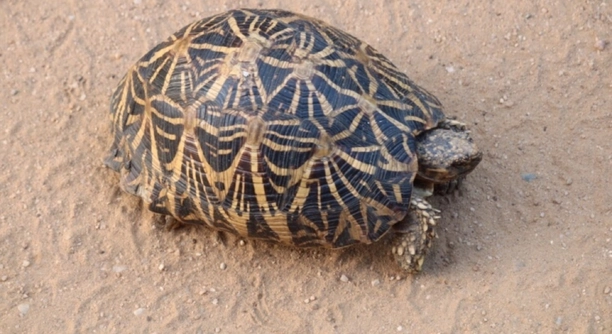
Feeding turtles the right vegetables is important for their health. It’s essential to know which vegetables are safe and nutritious for your pet. Some options are better suited to a turtle’s diet than others.
Certain vegetables, such as leafy greens and other non-toxic plants, are safe and beneficial for turtles. They offer essential nutrients like vitamins and minerals, supporting overall health and well-being. It’s important to avoid harmful vegetables.
Knowing which vegetables are safe ensures your turtle thrives. Understanding their nutritional needs can help you create the best diet for your pet’s longevity and happiness.
Leafy Greens
Leafy greens are a fantastic option for your turtle’s diet. Vegetables like kale, collard greens, and dandelion greens are packed with vitamins and minerals that are essential for your turtle’s growth and overall health. These greens are high in fiber, which aids digestion and helps keep your turtle’s system working properly. They are also rich in calcium, which supports shell development and bone health.
When offering leafy greens, make sure they are fresh and free of pesticides. Washing them thoroughly before feeding is a good practice. It’s also helpful to chop them into smaller pieces, especially for younger turtles or those with smaller mouths. If you’re unsure which greens are safest, consulting a vet for advice can guide you in making the best choice for your turtle’s needs.
Leafy greens should be the primary vegetable in your turtle’s diet. In addition to being nutritious, they provide variety, making the diet more interesting for your pet. This can help prevent boredom, a common issue with a repetitive feeding routine. Make sure to mix up the greens you offer, giving your turtle a balanced and nutrient-rich meal.
Carrots
Carrots can be a healthy addition to your turtle’s diet, offering essential nutrients like vitamin A. Carrots help maintain good vision, skin health, and immune function. Their crunchy texture also offers a natural source of enrichment for your turtle.
To serve carrots, cut them into thin slices or small sticks, ensuring they are easy for your turtle to eat. You can offer them raw or lightly steamed, but avoid offering too many at once since high sugar content can cause digestive issues. Moderation is key.
Carrots are a good occasional treat but should not be the main vegetable in your turtle’s diet. Overfeeding carrots can lead to an imbalance in nutrients, as they lack some of the necessary vitamins and minerals that other vegetables provide. Be mindful of how often you offer them, ensuring that they complement a balanced diet.
Zucchini
Zucchini is a great vegetable to feed your turtle. It’s rich in water, which helps keep them hydrated. The mild flavor makes it easy for your turtle to enjoy, and it can be a nice change from leafy greens.
When preparing zucchini, slice it into small, manageable pieces for your turtle. You can offer it raw, as it’s easy to digest. Zucchini also provides a good source of fiber, supporting digestive health. Since it has a high water content, it aids in preventing dehydration, which is vital for a turtle’s overall well-being.
While zucchini is safe for turtles, it’s important not to overdo it. Too much zucchini can dilute the nutritional balance of your turtle’s diet. It should be offered in moderation, alongside other vegetables like leafy greens or carrots, to ensure your turtle gets a variety of nutrients.
Cucumber
Cucumbers, much like zucchini, are high in water content and are a hydrating food for turtles. The texture is refreshing, and the mild taste is generally liked by most turtles. It’s low in calories, making it a suitable option for a balanced diet.
When preparing cucumbers, remove the seeds, as they can be difficult for some turtles to digest. Slice them into small chunks or thin rounds to make eating easier. While cucumbers provide hydration, they should be offered in combination with other vegetables to make sure your turtle gets enough essential nutrients.
Cucumbers are a good snack for your turtle but shouldn’t be a daily staple. Offering them as part of a rotation of other vegetables will help keep their diet varied and nutritious. It’s important to keep the cucumber servings controlled to avoid overfeeding, which could affect your turtle’s health in the long run.
Bell Peppers
Bell peppers are a colorful and nutritious choice for your turtle. They contain vitamins A and C, which help maintain good eyesight and immune function. Turtles enjoy the sweet, crunchy texture, making them a favorite for many.
You can feed bell peppers raw, but be sure to remove the seeds and stems before offering them. Chop them into small, bite-sized pieces to prevent any choking hazards. The vibrant colors, including red, orange, and yellow, provide a variety of nutrients for your turtle’s health.
Bell peppers should be a part of a well-rounded diet. They provide important nutrients but should not be the only vegetable you offer. Mixing them with other greens and vegetables ensures a diverse and balanced diet for your turtle.
Sweet Potatoes
Sweet potatoes are another healthy option for turtles. Packed with vitamin A and fiber, they are great for maintaining healthy skin and good digestion. They can be served cooked, which helps break down the starch and makes them easier to digest.
When offering sweet potatoes, cook them thoroughly, as raw sweet potatoes can be hard for turtles to process. Cut them into small, manageable chunks to avoid any difficulty in eating. The sweet flavor can make them a favorite among turtles, so be mindful of portion sizes.
Sweet potatoes should be given occasionally as a treat. Since they are higher in sugar, they should not make up the majority of your turtle’s meals. A balanced variety of vegetables will help keep your turtle healthy and thriving.
FAQ
Can I feed my turtle fruits as well as vegetables?
Yes, turtles can eat certain fruits, but they should be given in moderation. Fruits are high in sugar and should not be a regular part of their diet. Suitable fruits include strawberries, blueberries, and melon, which are rich in vitamins and antioxidants. Always remove seeds and pits before feeding. Too much fruit can lead to an unbalanced diet and health issues, so focus on vegetables as the main food source.
Is lettuce safe for my turtle to eat?
Lettuce can be safe for turtles in small amounts, but it shouldn’t be a primary vegetable. Iceberg lettuce, in particular, offers little nutritional value and mostly water. Romaine or other darker varieties like red leaf lettuce are better choices, as they contain more vitamins and fiber. It’s best to feed lettuce occasionally and combine it with more nutrient-dense greens.
How often should I feed my turtle vegetables?
Turtles should be fed vegetables daily to ensure they get enough fiber, vitamins, and minerals. A balanced diet of leafy greens, other vegetables, and occasional fruits is key. You can offer different vegetables each day to provide variety. Make sure to adjust portion sizes based on the turtle’s size and activity level.
Can I give my turtle cooked vegetables?
Yes, cooked vegetables are safe for turtles, but they should be cooked lightly to preserve nutrients. Steaming or boiling vegetables like sweet potatoes, carrots, and squash is a good way to soften them for easier digestion. Avoid using any added salt, butter, or seasoning. It’s best to serve vegetables in small, manageable pieces.
Are there any vegetables I should avoid feeding my turtle?
Yes, some vegetables are harmful to turtles. Avoid feeding them onion, garlic, and any type of processed food, as these can cause digestive problems. Also, stay away from spinach, which contains oxalates that can interfere with calcium absorption. Avoid feeding them avocado, as it contains a toxin called persin, which can be fatal to reptiles.
Can I feed my turtle the same vegetables every day?
It’s important to rotate the vegetables you feed your turtle. While some vegetables can be given more often, such as kale and dandelion greens, others should be given less frequently to ensure a balanced diet. A variety of vegetables helps provide a wider range of nutrients, preventing deficiencies.
How do I know if my turtle is eating enough?
A healthy turtle should show interest in food and eat regularly. Keep an eye on their weight and overall behavior—if they are active and their shell appears healthy, they are likely eating enough. If your turtle is refusing food, it may be a sign of an underlying health issue, so it’s best to consult a vet.
Should I feed my turtle pellets along with vegetables?
Pellets can be part of a turtle’s diet, but they should not replace fresh vegetables. They often contain animal protein and other nutrients that can complement a vegetable-based diet. However, pellets should be used as a supplement and not the main food source. Too many pellets can lead to obesity and other health issues.
Can I feed my turtle the same vegetables I eat?
You can feed your turtle some of the same vegetables you eat, but not all. For example, leafy greens, bell peppers, and zucchini are great choices. However, avoid giving them vegetables with added salt, butter, or seasoning. Always wash vegetables thoroughly to remove any pesticides or chemicals before feeding them to your turtle.
Is it okay to feed my turtle vegetables with pesticides?
No, it’s essential to avoid feeding your turtle vegetables that contain pesticides. These chemicals can be harmful to your turtle’s health. Always wash vegetables thoroughly before feeding them or consider buying organic produce to minimize the risk of pesticide exposure. Washing also helps remove any dirt or contaminants that could be harmful.
Can my turtle eat frozen vegetables?
Frozen vegetables are fine for turtles as long as they are thawed and prepared correctly. Be sure to wash and heat them lightly to ensure they are safe and easy to digest. Avoid feeding frozen vegetables with added sauces, seasonings, or salt. It’s best to feed them fresh or lightly cooked.
How can I make my turtle’s diet more interesting?
To keep your turtle’s diet interesting, offer a variety of vegetables and fruits, rotating them regularly. You can also change the way the food is prepared, offering both raw and cooked options. Adding a little variety can help prevent your turtle from getting bored with their food and ensure they’re getting a balanced diet.
Can I feed my turtle the same vegetables I give to my other pets?
While many vegetables are safe for turtles and other pets, not all vegetables are suitable for every animal. For example, leafy greens are safe for both rabbits and turtles, but some vegetables, like onions, can be toxic to many animals. Be sure to check each vegetable’s suitability for different pets before feeding them.
Final Thoughts
Feeding your turtle a well-balanced diet is essential to their health and happiness. While turtles can enjoy a variety of vegetables, it’s important to offer them the right mix. Leafy greens like kale and dandelion are great staples, while vegetables such as bell peppers and sweet potatoes can be added for variety. Always make sure to avoid harmful foods like onions, garlic, and avocado, as they can cause serious health problems. Offering a mix of fresh vegetables, along with occasional fruits, helps ensure your turtle gets the nutrients they need to thrive.
The key to a healthy turtle diet is balance. You don’t want to rely too much on any one type of vegetable or food. Different vegetables provide different nutrients, so rotating them ensures your turtle gets a full range of vitamins and minerals. Feeding them too much of any one food, like high-sugar fruits, can lead to weight gain or digestive issues. Pay attention to your turtle’s eating habits and adjust their diet as needed to maintain a healthy weight and active lifestyle. Regularly offering a mix of vegetables keeps their meals exciting and nutritionally balanced.
Remember that the quality of the vegetables matters as much as the variety. Always wash fresh produce thoroughly to remove any chemicals or pesticides. If possible, buy organic vegetables to avoid exposing your turtle to harmful substances. Cooking certain vegetables, like sweet potatoes, can also make them easier to digest. Be mindful of portion sizes and make sure you’re not overfeeding or underfeeding your turtle. With the right balance and variety, you can help your turtle live a long, healthy life.

Hello,
If you enjoy the content that we create, please consider saying a "Thank You!" by leaving a tip.
Every little bit helps us continue crafting quality advice that supports the health, happiness, and well-being of pets around the world, for pets of all shapes, sizes, and species.
We really appreciate the kindness and support that you show us!