
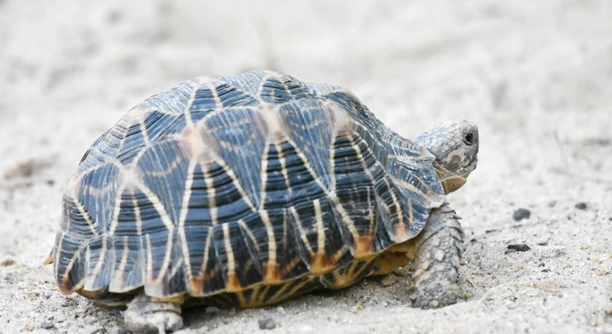
Turtles are fascinating creatures, and observing their behavior can raise interesting questions. If your turtle is always floating on the surface, it may be trying to communicate something about its health or environment.
The most common reason a turtle floats on the surface is an issue with its buoyancy, which can be caused by gas buildup in its shell, improper water temperature, or health problems. Addressing these factors will help resolve the issue.
Understanding the factors behind your turtle’s behavior will help you provide a better environment for its well-being. It’s essential to pay attention to the conditions of your turtle’s habitat.
Why Is My Turtle Floating on the Surface?
Turtles may float on the surface for several reasons. One possibility is the imbalance in their buoyancy, often caused by gas buildup or an issue with their shell. Another common reason is improper water temperature, which can affect their metabolism and cause them to float. Lastly, if your turtle is sick, it may struggle with swimming and float at the surface more frequently. It’s important to assess these factors to determine the cause of this behavior and take action accordingly.
In most cases, if the water temperature is not optimal, it can result in your turtle floating. The water should be kept within the range specific to your turtle species. Check the thermometer regularly to make sure the water remains stable.
When gas buildup happens, often from improper diet or illness, it can cause a turtle to lose its ability to swim properly. Ensure your turtle is eating a well-balanced diet and consider taking it to a vet if symptoms persist.
Water Temperature and Buoyancy
Water temperature plays a major role in your turtle’s buoyancy. If the water is too cold or too warm, it can cause your turtle to float. Ensure the water temperature is within the proper range for the specific species of your turtle. Maintaining consistent water temperature helps regulate metabolism and overall health.
A proper water temperature helps your turtle maintain its buoyancy and swim comfortably. When the temperature is off, your turtle may not be able to regulate its buoyancy correctly, leading to floating at the surface. For most species, the water should be between 75 and 85°F (24–29°C). If your water temperature fluctuates, the turtle’s body can struggle to maintain proper buoyancy.
If you notice your turtle frequently floating or having difficulty swimming, check the water temperature. Invest in an aquarium heater with a thermostat to ensure consistency. Also, monitor the temperature daily to prevent sudden changes that can impact your turtle’s health.
Gas Buildup in the Shell
Gas buildup in a turtle’s shell can cause it to float at the surface. This is often linked to improper diet or illness. If your turtle is bloated, it may struggle to dive and stay underwater. Ensure your turtle is getting a balanced diet.
A turtle’s shell should be firm and not filled with excess gas. Poor diet, including foods that are too rich in protein or fat, can lead to digestive issues and cause gas to accumulate. It’s important to feed your turtle a balanced diet with the right amount of vegetables, proteins, and calcium.
If you suspect gas buildup, consider adjusting your turtle’s diet and increasing its exercise by offering more opportunities to swim. If the problem persists, consult a vet for a more thorough diagnosis and treatment.
Illness and Health Issues
Health problems can also be a cause of floating. Infections, respiratory issues, or shell problems can prevent your turtle from swimming properly. If your turtle seems lethargic or has changes in its appetite, it may be a sign of illness.
A sick turtle may float at the surface because it lacks the strength to dive or swim. Respiratory infections are common in turtles and can affect their ability to control buoyancy. If you notice unusual behavior, such as labored breathing or loss of appetite, it’s best to consult a vet.
A vet will examine your turtle for signs of infection or any physical issues that could be affecting its buoyancy. Early intervention can prevent the condition from worsening, ensuring your turtle’s recovery.
Inappropriate Tank Size
A small tank can restrict your turtle’s movement, leading to stress and floating behavior. A cramped environment affects its ability to swim and dive naturally. Ensure your tank is large enough for your turtle’s size and species.
A turtle requires adequate space to move and swim. A tank that is too small prevents your turtle from properly adjusting its buoyancy and can lead to more floating. For most species, a tank should be at least 40 gallons, with more space required for larger turtles. A proper tank setup will help your turtle stay healthy and comfortable.
Poor Water Quality
Dirty water can cause your turtle to become stressed and unhealthy. When the water quality is poor, it can lead to skin issues, infections, or other health problems that may cause floating. Clean your tank regularly.
Frequent water changes are necessary to maintain healthy water quality. Without proper filtration and routine cleaning, harmful bacteria and waste can build up, affecting your turtle’s health. It’s important to monitor water parameters like ammonia, nitrites, and pH levels regularly. Use a good filtration system to keep the water clean.
FAQ
Why does my turtle always float on the surface?
Floating can occur due to several reasons, including improper water temperature, gas buildup in the shell, or health problems. Ensure the water temperature is stable, your turtle is eating a balanced diet, and it is free from illness. Regular monitoring and proper care can prevent this behavior.
What should I do if my turtle won’t stop floating?
If your turtle is continuously floating, check the water temperature and quality. A proper, clean environment is essential. Also, inspect your turtle’s health—if it seems unwell, consider visiting a vet for a diagnosis. The cause could be something as simple as poor water conditions or as serious as an infection.
Can a turtle’s diet affect its buoyancy?
Yes, an improper diet can lead to gas buildup in the shell, causing floating. Turtles require a balanced diet of vegetables, proteins, and calcium. Overfeeding or feeding them foods that are too rich in fats can contribute to digestive issues and gas buildup. Adjusting the diet can help resolve the issue.
How can I tell if my turtle is sick?
If your turtle is floating and appears lethargic, has a loss of appetite, or is breathing abnormally, it might be sick. Symptoms such as swelling, discharge from the nose or eyes, or a change in behavior often indicate illness. A vet should be consulted to diagnose and treat the problem.
Can the size of the tank affect my turtle’s floating?
Yes, a tank that is too small can cause your turtle to feel stressed and may limit its ability to swim properly. Stress can lead to abnormal buoyancy. Ensure your tank is large enough to accommodate your turtle’s size, allowing plenty of space for swimming and movement.
Is it normal for my turtle to float when it’s basking?
Yes, it’s normal for your turtle to float while basking, especially if it’s resting on the surface or near the basking area. However, if it constantly floats and cannot dive or swim properly, it may be a sign of an underlying issue, such as buoyancy problems or an illness.
How can I prevent my turtle from floating on the surface?
To prevent your turtle from floating, make sure its habitat conditions are optimal. This includes maintaining a proper water temperature, keeping the tank clean, and providing a balanced diet. Also, ensure your turtle has enough space to swim and dive freely.
Should I be concerned if my turtle floats on its back?
Turtles floating on their backs are usually a sign of distress. If your turtle flips itself over and cannot right itself, it could be a serious health issue or a sign of improper buoyancy regulation. A vet visit is necessary if this happens frequently.
Can water filtration cause my turtle to float?
A strong water filter may push your turtle toward the surface, especially if it’s not positioned well. Ensure your filter is placed where the flow is gentle, and it doesn’t create strong currents. This will help your turtle feel more comfortable and avoid being forced to float.
How often should I change my turtle’s water?
Water should be changed regularly to maintain cleanliness and proper water quality. A general rule is to change 25% of the water weekly, and perform a full water change every 4-6 weeks. Monitor ammonia, nitrite, and pH levels frequently to ensure the water is safe.
Can my turtle float because it’s stressed?
Yes, stress can cause floating. If your turtle feels threatened by other animals, poor tank conditions, or sudden changes in its environment, it may exhibit unusual behaviors like floating. Reducing stressors by creating a calm and stable habitat can help your turtle feel more comfortable and reduce floating.
Final Thoughts
Turtles are fascinating creatures, but understanding their behaviors, like floating on the surface, can sometimes be tricky. Floating is not always a sign of something wrong, but it can indicate issues with their environment, diet, or health. By paying attention to the details, you can determine the cause of the floating and address it before it becomes a bigger issue. With the right care, your turtle can lead a healthy, happy life.
Creating the right habitat for your turtle is essential for its well-being. This includes maintaining the proper water temperature, ensuring good water quality, and providing enough space to swim and dive. A tank that is too small or poorly maintained can cause stress, leading to abnormal floating. Monitoring the water conditions and making necessary adjustments is important in keeping your turtle comfortable and healthy. A well-balanced diet also plays a crucial role in preventing floating caused by gas buildup in the shell.
If your turtle’s floating continues despite making adjustments to its environment, it may be time to consult a veterinarian. Health issues such as respiratory infections or shell problems can cause floating, and early intervention is key to ensuring your turtle’s recovery. With the right care, attention, and guidance, you can prevent floating from becoming a major concern. Your turtle’s health and happiness are worth the effort to understand and manage their needs effectively.

Hello,
If you enjoy the content that we create, please consider saying a "Thank You!" by leaving a tip.
Every little bit helps us continue crafting quality advice that supports the health, happiness, and well-being of pets around the world, for pets of all shapes, sizes, and species.
We really appreciate the kindness and support that you show us!