
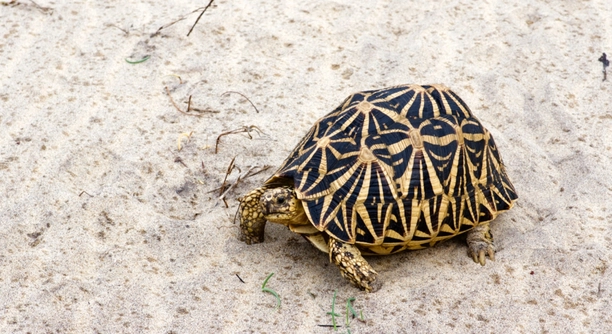
Turtles may occasionally exhibit scraping behavior with their front legs, a common sight for many owners. Understanding the root causes of this behavior can help in maintaining your pet’s well-being and ensure it lives a happy life.
The scraping of front legs in turtles may indicate stress, a health issue, or a need for more space. It could also be caused by environmental factors, such as water temperature, habitat conditions, or a potential injury.
Understanding the reasons behind this behavior can help improve your turtle’s habitat and overall health.
Possible Causes of Leg Scraping in Turtles
When a turtle scrapes its front legs, the first thing to consider is stress. Turtles are sensitive animals, and changes in their environment can make them anxious. This could be due to temperature fluctuations, loud noises, or the presence of other pets. Another factor to consider is the type of substrate in their tank. Hard or sharp materials could irritate their legs, causing them to scrape. Additionally, overcrowding in their tank can create stress as turtles need space to move freely.
Sometimes, improper tank setup plays a role in the behavior. Ensure the tank is large enough for your turtle, with clean water, proper lighting, and hiding spots. Stress from being confined to a small space or lack of resources can lead to unusual movements, including leg scraping. Other contributing factors could include an imbalance in the diet or changes in the turtle’s routine.
In some cases, leg scraping may also indicate an injury. A turtle could be trying to rub against something to relieve discomfort from a scratch or wound. If the behavior is persistent, it may be worth consulting with a veterinarian to rule out any health issues, such as infections or skin problems. Regular check-ups can ensure your turtle stays healthy.
Addressing the Problem
If your turtle’s leg scraping is caused by stress or environmental factors, it’s crucial to evaluate the tank conditions. Make sure there’s enough room for the turtle to move, with proper access to food and water.
Reassessing the water quality and temperature can be vital in preventing further issues. Turtles thrive in specific water conditions, and maintaining a stable environment is essential for their health.
Tank Setup and Space
A cramped tank can lead to stress, which may cause your turtle to scrape its legs. Turtles need ample space to move, explore, and swim.
The size of the tank plays a critical role in keeping your turtle comfortable. Ideally, the tank should be at least 40 gallons for a small turtle. Larger turtles require even bigger spaces. Adding decorations, hiding spots, and smooth rocks can provide comfort and prevent scraping. Make sure there’s enough space for your turtle to swim freely and bask. Overcrowding can lead to territorial behavior, increasing the likelihood of stress.
Improper tank setup may also include unsuitable water conditions. Check that the water temperature is in the ideal range for your turtle’s species. The filtration system should be adequate to maintain clean water, as dirty water can lead to health issues and stress.
Injuries and Health Issues
Turtles may scrape their legs to relieve discomfort from injuries or skin conditions. If you notice the scraping persists, it might be due to an underlying health problem.
Physical injuries like cuts or abrasions can cause discomfort and lead your turtle to scrape its legs. Turtles often try to rub against objects to soothe the affected area. It’s important to inspect their shell and limbs for visible wounds. If you find any injuries, clean the area carefully and apply a turtle-safe antibiotic. In some cases, skin infections or parasites may cause irritation, leading to scraping behavior.
Health problems such as shell rot, fungal infections, or metabolic bone disease can result in leg scraping. Regularly check your turtle for signs of illness. If the behavior continues, consult a veterinarian to diagnose and treat any potential health issues. Prompt attention to injuries or infections can prevent further complications and improve your turtle’s quality of life.
Water Quality and Temperature
Water quality plays a significant role in your turtle’s behavior. Poor water conditions can lead to irritation, causing scraping.
Check the water parameters regularly to ensure they fall within the ideal range for your turtle’s species. The pH, hardness, and ammonia levels should be balanced. If the water is too cold, it can stress your turtle and cause unusual movements.
Substrate and Tank Flooring
The substrate in your turtle’s tank could be contributing to the scraping. Hard or rough surfaces can irritate their legs.
Opt for smooth, gentle substrates like river rocks or a soft sandbed. Avoid using sharp or abrasive materials that could harm your turtle’s delicate skin.
FAQ
Why does my turtle scrape its front legs on the tank?
Scraping can be a sign of stress, an injury, or discomfort due to the tank’s conditions. Turtles may scrape their legs if they are feeling confined, have poor water quality, or if their substrate is irritating their skin. Ensure your turtle has enough space, clean water, and a smooth, comfortable environment.
Can poor water quality cause my turtle to scrape its legs?
Yes, poor water quality can contribute to skin irritation, leading to behaviors like leg scraping. Regularly monitor water temperature, pH levels, and ammonia levels. Dirty water can lead to discomfort, making your turtle scratch or scrape its limbs. A good filtration system is essential for maintaining a healthy tank.
How can I improve my turtle’s environment to prevent leg scraping?
To improve your turtle’s environment, ensure the tank is large enough, with proper water filtration, temperature, and hiding spaces. Use smooth, non-abrasive substrates and avoid overcrowding. Regularly clean the tank and maintain the water conditions to reduce stress. These steps help prevent scraping by making your turtle feel comfortable.
What should I do if my turtle has an injury or scrape on its legs?
If your turtle has an injury, inspect the affected area carefully. Clean any cuts or abrasions with fresh water, then apply a turtle-safe antibiotic. If you notice swelling, redness, or an infection, consult a veterinarian to ensure proper treatment. Keeping the injury clean and monitored can prevent further issues.
How can I tell if my turtle’s scraping is due to an injury or something else?
If your turtle is scraping due to an injury, you’ll likely notice visible signs like cuts, bruises, or swelling. Scraping caused by stress or environmental factors may not show physical damage. Check the skin, legs, and shell for any signs of injury. If there are no obvious wounds, focus on water quality and tank setup.
Can overfeeding cause my turtle to scrape its legs?
Overfeeding can lead to obesity in turtles, which might cause mobility issues. While this won’t directly lead to leg scraping, it may make your turtle less active and potentially more stressed. Ensure you’re feeding the right amount based on your turtle’s size and species. Regularly monitor your turtle’s weight and adjust feeding habits accordingly.
Does my turtle’s species affect its behavior of scraping its legs?
Different turtle species have varying temperaments and habitat needs. Some species are more sensitive to changes in their environment than others. For example, aquatic turtles may be more likely to scrape their legs if they feel stressed due to water conditions. Research your turtle’s specific species to understand its needs better.
Should I consider a vet visit if my turtle is scraping its legs?
If the scraping continues despite adjusting the environment or tank setup, a vet visit is recommended. A veterinarian can check for underlying health issues like infections, injuries, or skin conditions that may not be immediately visible. Regular check-ups help maintain your turtle’s long-term health.
How can I prevent my turtle from becoming stressed?
To prevent stress, ensure your turtle has a proper tank setup, including enough space, clean water, and proper lighting. Avoid sudden changes in temperature or tank conditions. Turtles also need a place to hide and bask, which can help them feel secure. Reducing stress in the environment can minimize scraping behavior.
Can my turtle’s tank mates cause leg scraping?
Yes, if you have multiple turtles or other animals in the same tank, territorial behavior could lead to stress. This can cause some turtles to scrape their legs as they try to escape or assert dominance. Make sure to provide enough space and hiding spots to reduce conflicts and prevent scraping.
Final Thoughts
Scraping behavior in turtles can often be a sign of discomfort or stress. Whether it’s due to environmental factors like water quality or tank size, or health issues like injuries or infections, it’s important to identify the root cause. Understanding your turtle’s needs and closely observing their behavior can help you make the necessary changes to their habitat, leading to a healthier and more comfortable life for your pet.
Pay close attention to your turtle’s environment. Ensuring proper water quality, temperature, and tank setup can go a long way in preventing stress. Turtles need ample space to move, explore, and swim. A tank that’s too small or overcrowded may cause your turtle to feel trapped, leading to behaviors like scraping its legs. Smooth surfaces and a clean tank will help prevent skin irritation that could cause discomfort. Maintaining regular tank maintenance, including water changes and filter cleaning, will also keep the environment stress-free.
If the scraping persists despite improving the tank conditions, it could be a sign of an underlying health issue. Injuries, skin infections, or even internal problems may require medical attention. Regular check-ups with a vet will ensure that your turtle remains in good health. With the right care, you can create an environment where your turtle can thrive and avoid unnecessary stress or injury.

Hello,
If you enjoy the content that we create, please consider saying a "Thank You!" by leaving a tip.
Every little bit helps us continue crafting quality advice that supports the health, happiness, and well-being of pets around the world, for pets of all shapes, sizes, and species.
We really appreciate the kindness and support that you show us!