
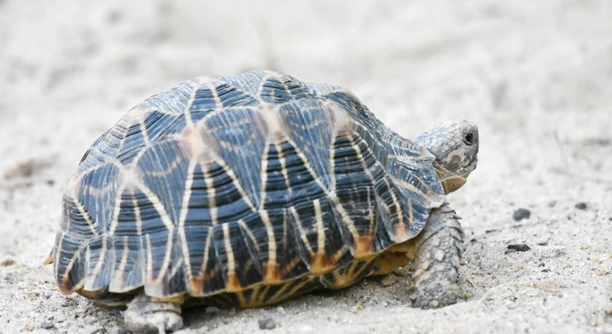
Turtles are fascinating creatures, often seen spending most of their time underwater. If your turtle stays submerged for long periods, it might be worth considering a few common reasons behind this behavior.
Turtles can stay underwater for several reasons, including stress, improper habitat conditions, or the natural behavior of certain species. A lack of basking spots, poor water quality, or temperature fluctuations can also contribute to this issue.
Understanding the causes behind your turtle’s underwater behavior can help you create a healthier environment for it. This will promote its well-being and ensure your turtle thrives in its habitat.
Stress and Anxiety Can Keep Your Turtle Underwater
Stress is a common reason why turtles spend extended time underwater. When turtles feel stressed, they may avoid basking or leave their basking area to stay submerged. Factors like a noisy environment, sudden changes in their habitat, or the presence of other animals can all contribute to stress. A turtle may also feel threatened if its territory is disrupted or if it is housed with aggressive tank mates. These factors push the turtle to seek comfort underwater, where it may feel safer.
The key to resolving this issue is ensuring that your turtle’s environment remains calm and stable. Regularly checking for aggressive tank mates or changes in the surroundings will help.
To reduce stress, create a calm and secure environment. Provide plenty of hiding spaces, adjust lighting, and consider separating your turtle from any aggressive tank mates. A consistent routine will help your turtle feel more at ease. Stress management leads to better behavior, including proper basking time.
Inadequate Basking Spot
An improper basking spot is another common reason for excessive underwater time. If your turtle’s basking area is too small, too cold, or difficult to access, it will choose to stay submerged. This behavior is especially noticeable if the basking platform is overcrowded or if your turtle struggles to climb onto it. The basking spot should be spacious, warm enough, and positioned in a way that’s easy for your turtle to reach.
If your turtle is constantly submerged, it’s important to evaluate the basking area. Ensuring it is well-designed and accessible will encourage your turtle to come out of the water to bask, improving both its health and behavior.
Poor Water Quality
If the water in your turtle’s habitat isn’t clean, it can lead to discomfort and health issues. Dirty water can cause skin problems and irritate your turtle, which may make it want to stay submerged longer. Poor water quality can also increase stress levels, prompting your turtle to stay hidden underwater.
Regular water changes and good filtration are essential. Keeping the water clean and properly filtered reduces stress and keeps your turtle healthy. Ensure the water temperature is within the ideal range for your turtle’s species, as this will also improve its overall comfort and reduce the desire to stay submerged.
Test the water frequently to ensure that it is free of harmful chemicals. Clear, well-maintained water supports a turtle’s health and encourages normal behavior, such as basking. Regularly clean your tank, remove debris, and replace water as needed to maintain a healthy environment.
Incorrect Temperature
Turtles rely on specific temperatures to regulate their body heat. If the water or basking area is too cold, your turtle might avoid basking and stay submerged in an effort to stay warm. Similarly, overly warm water can be just as problematic, causing your turtle to seek refuge underwater to cool off.
It is crucial to monitor both water and basking spot temperatures to ensure they meet your turtle’s needs. Use a thermometer to check water and air temperatures, adjusting them as needed. Providing the correct temperature will help your turtle feel more comfortable, which will reduce the time it spends underwater.
If your turtle is consistently underwater, consider whether its environment is too cold or too hot. Small changes in water temperature can significantly impact your turtle’s behavior. Maintaining the ideal range for your species is an easy way to encourage more balanced, healthy habits.
Natural Behavior
Some turtles naturally spend a lot of time underwater, especially species that prefer aquatic environments. For these types, staying submerged is a part of their normal behavior. They might only come up to bask occasionally, depending on their specific needs.
This behavior is often seen in turtles that are more water-dwelling, such as the Red-eared Slider or the Painted Turtle. If your turtle is one of these species, it may simply enjoy spending long periods underwater. It’s important to know the natural habits of your turtle’s species to understand whether its behavior is normal.
Feeding Habits
Turtles may also stay underwater longer due to hunger or feeding habits. Some turtles, particularly aquatic species, often feed underwater and might spend more time submerged when they’re searching for food.
If your turtle is underfeeding or not getting enough variety in its diet, it might also spend excessive time underwater. Ensure that it is eating the right food in the right amounts. Offering food on a regular schedule will help reduce this behavior and promote healthier habits.
FAQ
Why is my turtle always underwater?
There could be several reasons why your turtle spends so much time submerged. Stress, poor water quality, an inadequate basking spot, and incorrect temperatures are common factors. Additionally, some turtle species naturally prefer spending time underwater. Assessing each of these aspects can help determine the cause.
How can I reduce stress for my turtle?
Stress can be minimized by creating a calm environment. Ensure your turtle’s tank is free from excessive noise or disturbances. Provide hiding spots for security, and avoid placing aggressive tank mates with your turtle. A stable environment will help your turtle feel less stressed and encourage more basking.
What temperature should the water and basking area be?
Each turtle species requires different temperatures, but the general range for the water is between 75-85°F (24-29°C), and the basking area should be between 85-95°F (29-35°C). Ensure the water temperature is comfortable for your turtle to encourage normal behavior. Check regularly with a thermometer to avoid any temperature extremes.
Can water quality really affect my turtle’s behavior?
Yes, poor water quality can cause discomfort and health issues, leading your turtle to stay submerged. Dirty water can irritate your turtle’s skin, making it want to hide underwater. Regular water changes, proper filtration, and keeping the tank clean will promote a healthy environment and more balanced behavior.
Does my turtle need to bask every day?
Yes, most turtles need to bask regularly. Basking helps them regulate their body temperature, dry off, and absorb UVB light, which is crucial for their health. If your turtle isn’t basking enough, it could indicate issues with the basking spot or water temperature, which may need to be addressed.
Why is my turtle not eating as much?
If your turtle isn’t eating much, it could be a sign of stress, illness, or poor water conditions. Check the water quality and temperature, as well as the availability of food. If these factors are in order and the turtle still refuses to eat, it may be time to consult a vet for a checkup.
How often should I clean my turtle’s tank?
A clean tank is essential for your turtle’s health. Perform partial water changes weekly to maintain water quality. Thoroughly clean the tank and filter every few weeks to ensure your turtle’s habitat remains safe and comfortable. Regular maintenance helps prevent bacteria build-up and encourages natural behaviors.
Is it okay for my turtle to live with other animals?
Turtles can live with other animals, but it depends on the species. Some turtles get along well with fish, while others may be territorial. It’s essential to observe interactions and make sure the tank is large enough for all inhabitants. Aggressive tank mates can stress your turtle and cause it to stay submerged more often.
How can I tell if my turtle is sick?
Signs of illness in turtles include a loss of appetite, lethargy, swollen eyes, abnormal shell growth, or difficulty swimming. If you notice any of these signs, it’s crucial to consult a veterinarian who specializes in reptiles. Early diagnosis and treatment can prevent further complications.
How do I encourage my turtle to bask?
If your turtle is staying underwater too often, check the basking area. Ensure it is easily accessible and positioned in the right spot with appropriate warmth. You can also try increasing the temperature of the basking area or adding a larger basking platform to make it more inviting for your turtle.
What should I feed my turtle?
The diet for your turtle depends on its species, but a healthy mix of proteins, greens, and some fruits is essential. Aquatic turtles generally eat a combination of commercial turtle food, live prey, and vegetables. Make sure to offer a balanced diet and avoid overfeeding, which can lead to obesity and other health problems.
Can lighting affect my turtle’s behavior?
Yes, improper lighting can affect your turtle’s behavior. UVB lighting is crucial for calcium absorption and overall health. Without it, your turtle may avoid basking or display abnormal behavior. Ensure the tank has both UVA and UVB lights to support your turtle’s health and encourage normal basking.
Is it okay for my turtle to stay submerged for long periods?
While turtles can stay underwater for extended periods, it’s not ideal for them to do so continuously. If your turtle stays submerged for unusually long periods, it may be a sign of an underlying issue, such as stress, incorrect temperatures, or inadequate basking conditions. Regularly check the environment to ensure it is optimal.
How do I maintain the right humidity in the tank?
Humidity plays a role in your turtle’s overall comfort and health. Depending on your turtle species, you may need to maintain higher humidity levels. Use a hygrometer to monitor the humidity, and adjust it by misting the tank or using a humidifier if necessary. Proper humidity supports your turtle’s skin and overall well-being.
Can I handle my turtle more often to help it relax?
Handling your turtle can help it become more accustomed to human interaction, but it’s important not to overdo it. Excessive handling can cause stress. Keep interactions brief and always allow your turtle to rest when it prefers to do so. A relaxed turtle is more likely to engage in normal behaviors like basking.
What can I do if my turtle doesn’t come up for air?
If your turtle isn’t coming up for air regularly, it could indicate a serious health issue, like a respiratory infection or a problem with its environment. First, ensure the water temperature is correct and the tank is clean. If the issue persists, seek advice from a veterinarian who specializes in reptiles.
Should I add decorations to my turtle’s tank?
Adding decorations can create a more enriching environment for your turtle. Providing hiding spots, plants, or rocks helps your turtle feel secure and may reduce stress. However, make sure the decorations are safe and do not obstruct the basking area or swimming space. Keep it simple and practical.
Final Thoughts
Understanding why your turtle spends a lot of time underwater is important for ensuring its well-being. Whether it’s due to natural behavior, environmental factors, or health concerns, it’s essential to observe your turtle’s habits closely. Providing the right conditions in the tank, such as proper water quality, temperature, and adequate basking space, can encourage healthier behaviors and a better overall environment. By making sure your turtle has everything it needs, you can create a habitat that supports its natural instincts while preventing unnecessary stress.
If your turtle’s underwater behavior persists despite adjustments to its environment, it’s important to consider other factors, such as stress or health issues. Stress in turtles can be caused by poor tank conditions, aggressive tank mates, or excessive handling. Health problems, including respiratory infections or dehydration, can also contribute to changes in behavior. If you notice any other signs of illness, such as lethargy, loss of appetite, or difficulty breathing, it’s best to consult a vet for a professional opinion. Addressing these problems early on can prevent further complications and ensure your turtle remains healthy.
Ultimately, turtles are unique creatures, and their behavior can vary depending on species and individual needs. Some turtles naturally enjoy spending time submerged, while others might prefer basking more frequently. The key is to monitor their behavior and make sure they have a comfortable and enriching environment to thrive in. Regular tank maintenance, proper feeding, and creating a peaceful, safe space are crucial in keeping your turtle happy and healthy. By staying attentive to your turtle’s needs, you can enjoy watching it thrive in its home.

Hello,
If you enjoy the content that we create, please consider saying a "Thank You!" by leaving a tip.
Every little bit helps us continue crafting quality advice that supports the health, happiness, and well-being of pets around the world, for pets of all shapes, sizes, and species.
We really appreciate the kindness and support that you show us!