
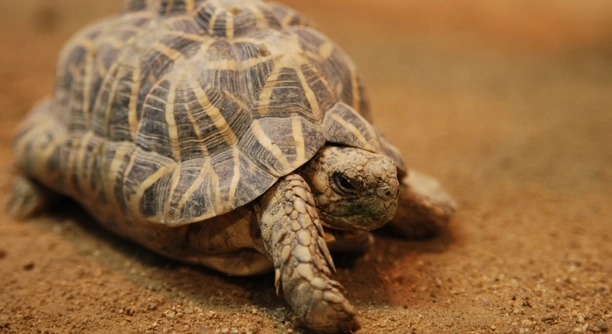
Do you ever find yourself watching your turtle press its tongue against the tank walls and wondering what it means? This behavior may seem odd, but many turtle owners notice their pets licking the glass frequently.
Turtles lick the tank walls due to curiosity, mineral deficiencies, or simply as a way to explore their environment. In some cases, they may be tasting residue on the glass or responding to reflections and water conditions.
Understanding why your turtle behaves this way can help you determine if it is a normal habit or a sign of an underlying issue. Learning more will ensure your pet stays happy and healthy in its habitat.
Common Reasons Turtles Lick the Tank Walls
Turtles use their tongues to explore their surroundings, and licking the tank walls is one way they interact with their environment. Sometimes, they may be attracted to water droplets, food residue, or algae on the glass. Other times, it could be a response to reflections or movement outside the tank. Some turtles lick due to a mineral deficiency, instinctively trying to find missing nutrients. If the behavior happens often, checking their diet and tank conditions can help. Ensuring they have a well-balanced diet and a clean habitat can prevent excessive licking.
Occasionally, turtles lick the glass out of boredom. If they lack stimulation, they may start exploring their tank in unusual ways. Adding decorations, hiding spots, and safe toys can keep them entertained and reduce repetitive behaviors. A more enriched environment can make a difference in their daily activity levels.
While licking the glass is usually harmless, sudden changes in behavior should not be ignored. If your turtle starts licking excessively or showing other unusual signs like loss of appetite or lethargy, it may indicate an underlying issue. Checking for changes in diet, water quality, and overall health can help determine if something needs to be adjusted to keep your turtle comfortable.
How to Stop Excessive Licking
If your turtle is licking the tank walls too much, start by checking their diet. A lack of essential nutrients, like calcium, may lead them to seek minerals elsewhere. Ensuring they have a balanced diet with proper supplements can help reduce this behavior.
Maintaining a clean tank is also important. Any buildup of food particles, algae, or bacteria on the glass may attract your turtle’s attention. Regularly cleaning the tank, changing the water, and using a high-quality filter can keep the environment safe. Avoid using harsh chemicals that could leave residue behind, as turtles may try to lick it.
Providing enrichment can also discourage excessive licking. Turtles need mental and physical stimulation to stay engaged. Adding live plants, new decorations, or rearranging their habitat can keep them curious and active. Offering occasional treats, like leafy greens or safe insects, can give them something else to focus on. Ensuring your turtle has proper UVB lighting, a warm basking area, and clean water will also support their health and prevent odd behaviors.
Signs That Your Turtle’s Licking Is a Problem
If your turtle is licking the tank walls constantly, it could indicate stress, nutritional deficiencies, or poor water quality. Occasional licking is normal, but frequent or obsessive behavior should be monitored. Other unusual signs, like lethargy or loss of appetite, may suggest an underlying issue.
A poor diet can lead to excessive licking. If a turtle lacks essential nutrients like calcium or vitamin D3, it may instinctively seek minerals elsewhere. Providing a varied diet with leafy greens, protein sources, and supplements can help. UVB lighting is also necessary for proper calcium absorption, preventing issues like metabolic bone disease.
Water quality plays a big role in a turtle’s health. Dirty water can lead to irritation, causing them to lick the glass in response. Regular water changes, a strong filtration system, and proper temperature control keep the environment safe. Poor water conditions can lead to infections, affecting their overall well-being.
When to Seek Veterinary Help
If your turtle’s licking is accompanied by other symptoms like weight loss, swollen eyes, or unusual shell discoloration, a vet visit may be necessary. Changes in behavior, like excessive scratching or difficulty swimming, could indicate a health issue requiring professional attention. Early intervention can prevent more serious problems from developing.
A veterinarian can check for common health concerns, including infections, parasites, or metabolic issues. Blood tests, stool analysis, and physical examinations help determine if an underlying condition is present. If a nutritional deficiency is suspected, a vet may recommend dietary adjustments or supplements to ensure your turtle gets all essential nutrients.
Ignoring persistent licking or other symptoms can lead to worsening health problems. Turtles can hide signs of illness until they become severe. Regular check-ups, a proper diet, and a clean tank create the best conditions for your turtle’s long-term well-being. Keeping an eye on their behavior helps prevent issues before they escalate.
Environmental Changes That Can Help
A larger tank with plenty of hiding spots and decorations can reduce stress-related behaviors like excessive licking. Turtles need space to swim, bask, and explore. A cramped environment may cause boredom or frustration, leading to repetitive actions such as licking the tank walls.
Adding natural elements like driftwood, rocks, and live plants can make the habitat more engaging. These additions encourage natural behaviors and provide mental stimulation. Rearranging decorations occasionally can also keep your turtle curious and prevent repetitive behaviors from becoming a habit.
Importance of Proper Hydration
Turtles need clean, well-maintained water to stay hydrated and healthy. Dehydration can sometimes cause odd behaviors, including excessive licking. Ensuring a steady supply of fresh water and monitoring humidity levels in their habitat can prevent potential health concerns related to hydration.
Final Thoughts
Paying attention to your turtle’s behavior can help you identify potential issues early. Small adjustments to their diet, tank setup, and care routine can make a big difference in their overall well-being.
FAQ
Why does my turtle lick the tank walls so often?
Frequent licking can be due to curiosity, boredom, or a mineral deficiency. Some turtles explore their environment using their tongues, while others may be trying to find food residue or respond to reflections on the glass. If the behavior seems excessive, checking their diet and tank conditions can help.
Is it normal for turtles to lick things?
Yes, turtles use their tongues to explore objects, just like other reptiles. They may lick decorations, rocks, or even their own shells. This behavior is usually harmless, but if your turtle starts licking excessively, it could indicate a nutritional deficiency, boredom, or an issue with their habitat.
Can a dirty tank cause my turtle to lick the glass?
Yes, poor water quality can lead to unusual behaviors. If there is residue, algae, or leftover food on the glass, your turtle may try to lick it. Regular tank cleanings, water changes, and a good filtration system help maintain a safe environment and prevent licking caused by unclean conditions.
Could my turtle be licking due to stress?
Stress can lead to repetitive behaviors, including excessive licking. A small or overcrowded tank, sudden environmental changes, or lack of hiding spaces can make a turtle feel uneasy. Ensuring a comfortable habitat with plenty of space and enrichment can help reduce stress-related behaviors.
Does licking the glass mean my turtle is hungry?
It’s possible. If your turtle isn’t getting enough food or lacks certain nutrients, they may lick the tank in search of something edible. A well-balanced diet with leafy greens, protein, and proper supplements ensures they get the nutrition they need and reduces unusual behaviors.
What should I do if my turtle won’t stop licking the glass?
First, check their diet and ensure they are receiving the right nutrients, especially calcium and vitamin D3. Next, assess the tank cleanliness and water quality. If everything seems fine but the behavior continues, providing more enrichment, decorations, and interactive elements can help keep them engaged.
Can turtles get sick from licking the tank walls?
Turtles are unlikely to get sick from licking the glass itself, but if the tank is dirty or contains harmful bacteria, they could develop infections. Keeping the tank clean, using safe cleaning products, and ensuring proper filtration will help maintain their health and prevent potential issues.
Is there a way to completely stop my turtle from licking the glass?
Licking is a natural behavior, so it may not stop completely. However, reducing excessive licking involves maintaining a clean tank, providing a nutritious diet, and keeping the environment stimulating. If the behavior becomes obsessive or is paired with other unusual signs, consulting a vet is recommended.
Do different turtle species lick the tank walls more than others?
There isn’t strong evidence that certain species lick more often, but some turtles are naturally more curious or interactive. Aquatic turtles, like red-eared sliders and painted turtles, may be more prone to licking since they spend most of their time in the water and interact with the glass frequently.
Can reflections on the glass cause my turtle to lick?
Yes, some turtles may see their reflection and mistake it for another turtle. This can lead to licking, nudging, or even trying to interact with the glass. Reducing glare by adjusting the tank’s lighting or placing a background on the outside of the glass can help minimize reflections.
How often should I clean the tank to prevent my turtle from licking the glass?
A full tank cleaning should be done every few weeks, but partial water changes should happen more frequently, at least once a week. Cleaning the glass with a turtle-safe sponge or scraper helps remove algae and buildup that might attract your turtle’s attention.
Should I be worried if my turtle suddenly starts licking more than usual?
A sudden increase in licking could indicate a change in diet, water quality, or stress levels. Checking for any recent changes in their environment or behavior can help identify the cause. If the licking is excessive or paired with other health concerns, a vet visit may be necessary.
Final Thoughts
Turtles licking the tank walls is usually a harmless behavior, but it can sometimes indicate an issue with their environment or diet. Occasional licking is normal, as turtles use their tongues to explore and interact with their surroundings. However, frequent or obsessive licking may be a sign of boredom, stress, or a nutritional deficiency. Making small adjustments to their diet, tank setup, and enrichment options can help reduce this behavior. Ensuring they have a clean habitat, proper lighting, and a variety of foods will support their overall health and well-being. Keeping an eye on their behavior and making necessary improvements can prevent problems before they arise.
A well-maintained environment plays a big role in a turtle’s health. Clean water, a spacious tank, and a balanced diet can prevent many common issues, including excessive licking. Regular tank maintenance, including water changes and glass cleaning, helps eliminate any buildup that might attract their attention. Adding decorations, live plants, or rearranging their habitat from time to time can keep them engaged and mentally stimulated. If the behavior continues despite these efforts, it is always a good idea to observe for other signs of illness, such as changes in appetite, sluggishness, or unusual shell discoloration. Any noticeable health concerns should be addressed by a reptile veterinarian to ensure early treatment.
Understanding your turtle’s behavior helps you provide the best care possible. While licking the tank walls can seem odd, it is often just another way turtles interact with their surroundings. Most cases are harmless, but if the behavior becomes excessive or is paired with other unusual signs, further attention is needed. Regular observation, a proper diet, and a clean, enriched habitat will keep your turtle happy and healthy. Taking small steps to improve their environment can make a big difference in their quality of life.

Hello,
If you enjoy the content that we create, please consider saying a "Thank You!" by leaving a tip.
Every little bit helps us continue crafting quality advice that supports the health, happiness, and well-being of pets around the world, for pets of all shapes, sizes, and species.
We really appreciate the kindness and support that you show us!