
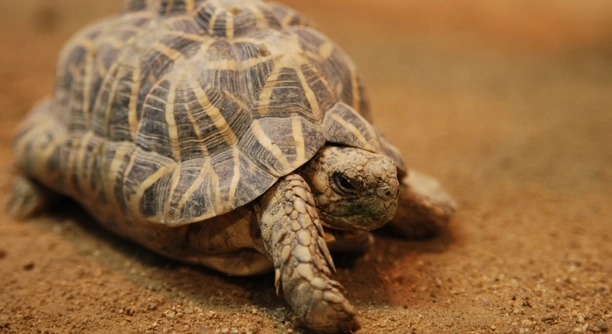
Turtles can be fascinating pets, but they can sometimes create a mess by splashing water everywhere. This behavior can be confusing, especially if you’re unsure of the cause. Understanding why this happens can help you care for your turtle better.
Turtles often splash water for various reasons, such as exploring their environment, trying to create a comfortable habitat, or simply because of excitement. This behavior is common, especially when they are active or feeding.
By learning about the causes of splashing, you can ensure your turtle’s environment is ideal for both its well-being and cleanliness. Let’s explore how to manage this behavior effectively.
Why Do Turtles Splash Water?
Turtles are known to splash water for a number of reasons. The most common cause is that they are trying to adjust their environment to feel more comfortable. Turtles in the wild often splash water to create space or move things around. They may also do this to regulate their temperature or simply out of excitement. A turtle might splash after being fed, or when it’s exploring its surroundings, especially if it feels energetic. This can sometimes leave a mess around their tank, making it seem like they’re doing it on purpose.
When a turtle is adjusting to a new habitat, it can sometimes splash water as a way of marking its space. They feel the need to reestablish their comfort zone, and splashing may help them do that. It’s not unusual for them to splash more when they are excited, especially if they’re interacting with their favorite food or object.
These behaviors are a natural part of being a turtle and are often seen as harmless. If the splashing becomes excessive or disruptive, there are simple steps you can take to reduce it.
The Importance of Tank Size
A tank that’s too small can make a turtle feel cramped, leading to more splashing and restless behavior. A larger tank provides more space for the turtle to explore and swim. The more room your turtle has, the less likely it is to engage in excessive splashing.
Turtles need ample space to move around. The ideal tank size varies depending on the type of turtle, but in general, providing a spacious environment helps reduce stress and splashing. If a turtle doesn’t feel crowded, it may not feel the need to splash water as much.
Proper tank size is also key for their health. A spacious tank allows for better water circulation, making it easier to maintain clean water. Dirty water can cause stress, and stressed turtles may splash more. Keeping their tank clean is just as important as giving them enough space.
Temperature and Water Levels
Water temperature plays a big role in a turtle’s behavior. When the water is too cold, turtles may become sluggish, but if it’s too warm, they can become more active. This increase in activity can cause splashing.
If the water temperature is inconsistent or too high, your turtle might feel the need to move around more, causing it to splash water everywhere. Turtles naturally thrive in water that mimics their natural habitat’s temperature. A stable, warm environment can help them feel comfortable and less likely to splash. Regularly check the temperature and ensure it remains in the optimal range to minimize this behavior.
Ensuring your turtle’s tank has the right water temperature helps reduce splashing. When water temperature fluctuates, turtles get stressed, and stress can cause them to act out, like splashing water around. Keeping a stable temperature will help your turtle stay calm and more comfortable, making the tank cleaner for both you and your pet. Investing in a reliable heater can also help maintain the right temperature throughout the day and night.
Water Filtration and Maintenance
Proper filtration is essential for preventing excessive splashing. A strong filter keeps the water clean, and clean water promotes a healthier, calmer turtle. If the water is dirty or stagnant, your turtle may try to splash or move the water around to improve its surroundings.
Regular water changes and a good filtration system can keep the water clear, preventing the need for your turtle to splash around. Dirty water can stress a turtle, making it more likely to splash or exhibit erratic behavior. Turtles also tend to splash more when they feel the water is unclean, so maintaining good filtration will directly help reduce this.
A clean tank not only minimizes splashing but also supports the health of your turtle. Regular water changes and proper filtration can prevent the build-up of harmful substances that could stress your turtle, leading to unnecessary splashing. The right filter helps maintain a stable environment, improving your turtle’s overall comfort.
Stress and Anxiety
Turtles can splash when they are stressed or anxious. Changes in their environment, loud noises, or unfamiliar scents can trigger these behaviors.
If a turtle is feeling threatened or uneasy, it may splash water as a way of expressing discomfort. This is common in both new turtles adjusting to a new home and turtles that are not used to constant human interaction.
Reducing stress involves ensuring your turtle’s environment remains stable. Limit sudden changes in the tank, and keep the tank in a quiet, low-traffic area. Provide plenty of hiding spots to help your turtle feel safe and secure.
Feeding Habits
Feeding time can make turtles excited, and their splashing might increase during this period. When they are hungry or eager, they might splash water around in anticipation of their food.
Turtles naturally associate feeding with energy, so splashing can be a sign of excitement. While this behavior is often harmless, it’s helpful to keep feeding times calm and consistent. Avoid sudden movements when you’re feeding, as this can cause unnecessary stress and even more splashing. The more predictable feeding times are, the less likely your turtle will splash around.
Tank Decorations
Your turtle may splash if there are too many or too few decorations in the tank. A tank that feels too empty can make your turtle feel exposed and insecure, while too many decorations may restrict movement.
FAQ
Why does my turtle splash water all the time?
Turtles splash water when they’re trying to express excitement, adjust their surroundings, or regulate their environment. They may do this out of curiosity, hunger, or to cool off or warm up. The behavior is natural and common in turtles, especially during feeding times or when they’re exploring their tank.
Is it bad if my turtle splashes a lot?
Not necessarily. Splashing is a normal behavior, but it can become a problem if it leads to a messy tank or if your turtle seems stressed. If the splashing is excessive, it’s worth checking if there are any environmental factors, like a small tank, fluctuating temperatures, or dirty water, that may be contributing to the behavior.
How can I stop my turtle from splashing water?
To reduce splashing, make sure your turtle has enough space, a stable water temperature, and a clean environment. Regular water changes, proper filtration, and minimizing stressors can help your turtle feel more secure and less likely to splash. Keep your turtle’s environment calm and predictable to reduce its excitement.
Do turtles splash when they’re stressed?
Yes, turtles may splash water when they are stressed. If there are changes in their environment, loud noises, or unfamiliar people around, they may feel threatened and react by splashing. Providing a calm, secure environment can help reduce stress and splashing.
Does the size of the tank affect splashing?
Yes, the size of the tank can affect splashing behavior. A small tank can make your turtle feel cramped, leading to more splashing as it tries to move around or express frustration. A larger tank gives your turtle more room to explore, reducing the chances of splashing.
How often should I change the water in my turtle’s tank to avoid splashing?
It’s recommended to change the water in your turtle’s tank at least once a week. Regular water changes keep the tank clean and reduce the likelihood of your turtle splashing in dirty water. More frequent changes may be necessary if your turtle is particularly messy or if the tank is smaller.
Does splashing indicate that my turtle is hungry?
Sometimes, yes. Turtles may splash water when they’re hungry or excited about food. They associate splashing with feeding time, and this excitement can make them splash even more. If your turtle splashes at feeding time, it’s usually just a sign of enthusiasm for the food coming.
How can I prevent my turtle from splashing during feeding?
To reduce splashing during feeding, try keeping feeding time calm. Feed your turtle in the same spot and avoid making sudden movements. You can also try feeding it in a separate container to keep the tank clean and reduce splashing.
What kind of decorations help prevent splashing?
Providing decorations that give your turtle hiding places or areas to climb can reduce splashing. Floating platforms or rocks can help your turtle feel more secure and less likely to splash. Just make sure there’s enough space for your turtle to move freely and comfortably.
Should I remove some of the decorations if my turtle is splashing too much?
If your turtle is splashing too much, consider simplifying the decorations. A tank that feels too cluttered might make your turtle feel confined, leading to more splashing. However, leaving enough hiding spots and areas to rest is important to make sure your turtle feels secure.
Is splashing a sign of illness?
Splashing is usually not a sign of illness, but it can be if your turtle is stressed or uncomfortable due to health issues. If your turtle shows other signs of illness, like lethargy, loss of appetite, or abnormal behavior, consult a veterinarian. Splashing alone is typically not a health concern.
How do I know if my turtle is splashing out of excitement or because something is wrong?
If your turtle splashes at feeding time or during moments of play, it’s likely excitement. If the splashing seems excessive or happens without any clear trigger, it may be a sign of stress or discomfort. Pay attention to other behaviors, like hiding or erratic swimming, to determine if there’s a problem.
Do turtles splash when they’re trying to communicate?
Turtles don’t have the same communication methods as humans, but splashing can be one way they express themselves. They may splash as a response to environmental changes or interactions with you. It’s their way of showing that something has caught their attention or stirred up their excitement.
Can I train my turtle to stop splashing?
Turtles aren’t typically trainable in the same way pets like dogs are, but you can influence their behavior by creating an ideal environment. Reducing stressors, ensuring proper tank size, temperature, and cleanliness, and providing appropriate hiding places can help minimize splashing.
Is it safe for my turtle to splash water outside the tank?
It’s not ideal for water to splash outside the tank as it can cause messes and affect the room’s cleanliness. While it’s natural for turtles to splash, consider getting a larger tank or a tank with higher walls to prevent too much water from splashing out.
Final Thoughts
Turtles are unique creatures, and their behaviors can be puzzling at times, especially when it comes to splashing water. While this action can seem like a messy habit, it’s typically a normal behavior driven by excitement, exploration, or environmental adjustments. Turtles splash to regulate their space and make their habitat more comfortable. In most cases, splashing is harmless, but if it becomes excessive or disruptive, it’s worth taking a closer look at the factors affecting your turtle’s environment.
Understanding the root causes of splashing can help you manage your turtle’s behavior more effectively. Whether it’s related to tank size, water temperature, stress, or excitement around feeding time, adjusting the tank setup or routine can make a big difference. It’s essential to ensure that your turtle’s environment is clean, spacious, and stable. Providing the right conditions will not only help minimize splashing but also improve your turtle’s overall well-being. Healthy, happy turtles are less likely to act out, making them easier to care for and more enjoyable to watch.
If you notice that your turtle’s splashing continues despite making adjustments, it might be helpful to consult with a vet to rule out any health issues. In most cases, though, splashing is simply a natural part of their behavior. By understanding why it happens and how to prevent or manage it, you can ensure a cleaner, happier environment for both you and your turtle. With the right care, your turtle’s splashing will likely become less frequent, and you can focus on enjoying your pet’s company.

Hello,
If you enjoy the content that we create, please consider saying a "Thank You!" by leaving a tip.
Every little bit helps us continue crafting quality advice that supports the health, happiness, and well-being of pets around the world, for pets of all shapes, sizes, and species.
We really appreciate the kindness and support that you show us!