
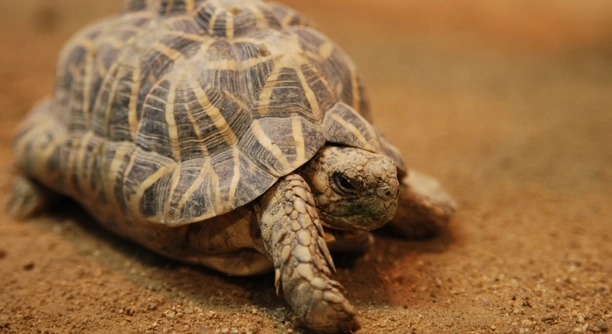
Turtles are fascinating creatures that require the right environment to thrive, especially when it comes to choosing the best tank materials. Proper care involves more than just food and water, and your turtle’s habitat is crucial.
The right tank material plays an essential role in maintaining a safe and healthy environment for your turtle. The best options are durable, easy to clean, and promote good water quality while ensuring your turtle’s comfort and safety.
Selecting the proper materials for your turtle’s tank can make a world of difference. It helps create a habitat that supports their needs, both physically and mentally. Keep reading to find out the best options.
1. Glass Tanks: Classic and Easy to Maintain
Glass tanks are the most common choice for turtle owners due to their clarity and ease of maintenance. They allow you to easily observe your turtle, making it simple to spot any changes in behavior or water conditions. These tanks come in various sizes, allowing for customization based on your turtle’s needs.
Glass is non-porous, which means it won’t absorb bacteria or other harmful substances. It’s also easy to clean and doesn’t retain odors, making it a hygienic choice. Many glass tanks come with built-in filtration systems, making maintenance even easier.
The main downside of glass is that it can be heavy and prone to breaking if not handled carefully. Additionally, while it offers great visibility, it doesn’t provide the same insulation as some other materials, so maintaining the water temperature can be a challenge. Still, its reliability and simplicity make it a favorite among turtle owners.
2. Acrylic Tanks: A Lighter Option
Acrylic tanks are lighter than glass and offer better insulation. They can be more durable and less prone to cracking, making them a good choice for larger tanks.
Acrylic is also known for its clarity, offering a clear view of your turtle’s movements. It is less prone to scratching compared to glass, but it can be more expensive. Although it’s lighter, it is also more prone to warping over time if exposed to high heat, so careful placement is important.
For those looking for something more durable but still visually appealing, acrylic tanks are a great option. They combine the strength of glass with a lightweight design. If you can handle the extra cost and occasional maintenance, acrylic may be the ideal choice for your turtle.
3. Plastic Tanks: Affordable but Less Durable
Plastic tanks are often more affordable compared to glass or acrylic options. They are lightweight and come in various sizes, which makes them easy to handle. However, they don’t offer the same clarity as glass or acrylic.
Plastic can scratch easily, which means you might not get the same long-term aesthetic appeal. It also tends to absorb odors over time, making cleaning and maintenance more of a challenge. Some plastic tanks may also warp under heat, affecting the structure. Despite these downsides, they remain a budget-friendly choice for those who don’t want to invest heavily upfront.
While plastic tanks are convenient, they require more care in maintaining cleanliness and ensuring the water quality remains stable. Many plastic tanks are suitable for smaller turtles, but for larger species, a sturdier option might be necessary. Consider the trade-offs carefully before choosing plastic as a long-term solution.
4. Resin Tanks: Natural Look and Durability
Resin tanks offer a more natural aesthetic compared to other materials, often mimicking rocks and wood. They provide a pleasing appearance that can enhance the overall look of your turtle’s environment.
While resin tanks are durable and long-lasting, they can be difficult to clean due to their porous nature. Dirt and debris may get trapped in the textured surfaces, which means more frequent cleaning. However, they hold up well in fluctuating temperatures and can be a great option if you want something that feels closer to a natural habitat.
Despite the cleaning challenges, resin tanks are a strong option for those who prioritize durability and appearance. They can hold up well for many years, and their natural look makes them a good choice for creating a more organic setting for your turtle.
5. Wood Tanks: Aesthetic but High Maintenance
Wood tanks offer a beautiful, rustic look that can fit well in various home settings. They are great for those who want something visually appealing and natural for their turtles. However, they come with their own set of challenges.
Wood can absorb water, which may lead to rotting over time. It can also harbor bacteria and mold, making regular cleaning necessary. Plus, maintaining water temperature can be harder in wood tanks compared to other materials. If you opt for wood, ensure the tank is properly sealed and that you keep up with maintenance to avoid these issues.
6. Ceramic Tanks: Stylish but Expensive
Ceramic tanks are less common but can offer a sleek and stylish design. They are generally heavy and very durable, making them a solid choice for turtle owners looking for a long-lasting option.
Although ceramic is visually appealing, it’s often costly and can be prone to cracking. They also require careful handling during cleaning, as the material can be more sensitive to certain cleaning agents. Despite these drawbacks, ceramic tanks are ideal for owners who value design and sturdiness over cost.
7. Stainless Steel Tanks: Modern and Durable
Stainless steel tanks are modern, durable, and resistant to corrosion. They offer a sleek, clean look that fits well in many spaces. They’re also easy to clean, and their non-porous nature makes them resistant to bacteria buildup.
However, stainless steel tanks are typically quite expensive, which can make them less appealing for those on a budget. They also have limited insulation, so maintaining water temperature can be more challenging. Still, if you’re looking for a long-lasting, low-maintenance tank, stainless steel is a solid option.
FAQ
What is the best tank material for a turtle?
The best tank material depends on your priorities. Glass and acrylic are popular due to their clarity and ease of maintenance. Acrylic is lighter than glass, but it can be more expensive. Resin offers a natural look, but it can be harder to clean. Plastic is affordable but may wear out over time, and wood, though attractive, can be high maintenance. Consider your turtle’s size, water needs, and the tank’s location in your home when deciding.
Are acrylic tanks better than glass for turtles?
Acrylic tanks offer better insulation than glass, which can help maintain the water temperature. They are also lighter and less likely to break. However, acrylic can scratch more easily, and they tend to be more expensive than glass tanks. If you need a lightweight tank with better durability, acrylic could be a great choice, but be prepared for extra care.
Can I use a plastic tank for a large turtle?
Plastic tanks are typically not recommended for larger turtles due to their tendency to scratch, warp, or crack under the weight of larger animals. They are better suited for smaller or juvenile turtles. If you’re planning for a larger turtle, it’s usually a good idea to invest in a more durable material like glass or acrylic.
How often should I clean my turtle tank?
Tank cleaning frequency depends on the size of your tank and how many turtles you have. Generally, it’s a good idea to clean the tank once a week. However, spot cleaning daily, especially if you have a smaller tank, can help maintain water quality. You’ll also need to replace the water at least once a month, and don’t forget to clean the filter regularly to prevent debris buildup.
Do I need a lid for my turtle’s tank?
Yes, a lid is essential for most turtle tanks. Turtles are known to be escape artists, and a secure lid will keep them from climbing or jumping out of their tank. It also helps maintain humidity levels, and in some cases, provides a space to mount a UVB light for your turtle’s health. Just make sure the lid allows enough air circulation and access to light.
What is the ideal size for a turtle tank?
The ideal size for a turtle tank depends on the species and size of your turtle. As a general guideline, a 40-gallon tank is suitable for one adult turtle. For larger species, such as red-eared sliders, you may need up to 75 gallons. A bigger tank offers more space for your turtle to swim and grow, contributing to its overall health.
Can I use a tank with decorations for my turtle?
Yes, you can add decorations to your turtle’s tank to create a more enriching environment. However, it’s important to ensure that all decorations are smooth and free of sharp edges to prevent injury. Live or artificial plants are a good addition, as long as they don’t take up too much space or interfere with the turtle’s swimming.
Is it okay to use a resin tank for my turtle?
Resin tanks are a popular choice for their realistic appearance, mimicking rocks or logs. They are durable, but cleaning them can be tricky due to their porous surfaces. If you choose a resin tank, you’ll need to stay on top of regular cleaning to avoid mold or bacteria growth. Despite this, resin tanks can provide a great habitat as long as you are committed to maintenance.
Can I keep multiple turtles in one tank?
Yes, you can keep multiple turtles in the same tank, but only if the tank is large enough. Overcrowding can lead to stress and aggression. The general rule is to provide at least 10 gallons of space per inch of turtle. Make sure to also monitor their behavior regularly and provide enough hiding spots to reduce territorial disputes.
How do I maintain the water temperature in my turtle tank?
Maintaining the proper water temperature is essential for your turtle’s health. The ideal water temperature is usually between 75°F and 85°F, depending on the species. You can achieve this using a submersible heater with a thermometer to monitor the temperature. Keep in mind that water temperature can fluctuate based on the room temperature, so it’s important to check regularly.
Should I use a filtration system for my turtle tank?
Yes, a filtration system is necessary to keep your turtle’s tank clean and free of harmful bacteria. Turtles produce a lot of waste, and a good filter will help keep the water clear and maintain water quality. It’s best to use a filter that’s rated for a tank that’s a bit larger than your current tank size to ensure proper filtration. Regular maintenance of the filter is also important.
Can I keep different species of turtles together?
Keeping different species of turtles together is generally not recommended. Turtles have specific care requirements, and different species may have different needs regarding water temperature, diet, and habitat. Additionally, they may display territorial behavior, leading to aggression or stress. It’s safer to house turtles of the same species together to minimize these risks.
Final Thoughts
Choosing the right tank material for your turtle is an important decision that affects not only the aesthetic of the habitat but also your turtle’s well-being. Each material comes with its own set of advantages and challenges. Glass and acrylic tanks are common choices due to their clarity and ease of maintenance, making them ideal for most turtle species. However, materials like resin or ceramic may offer a more natural look, which some owners prefer, though they require more care when it comes to cleaning. Plastic tanks are a budget-friendly option, but they may not be the best choice for larger turtles or long-term use. Ultimately, the tank material should be selected based on your specific needs, budget, and how much maintenance you’re willing to handle.
Remember, the tank is just one aspect of providing long-term care for your turtle. While the material of the tank is important, factors like water quality, filtration, heating, and space are just as critical to keeping your turtle healthy. Make sure the tank you choose offers enough space for your turtle to swim and grow comfortably. The right tank size and proper water conditions will have a bigger impact on your turtle’s health than the material itself. Don’t forget that regular cleaning and maintenance are crucial to prevent any build-up of waste or bacteria, no matter which material you choose.
Ultimately, it’s about finding a balance between practicality and aesthetics. Whether you go for a glass, acrylic, or more unique material like resin or wood, the most important thing is creating a safe and comfortable space for your turtle. This means thinking carefully about water quality, filtration, and temperature control. Investing in the right tank material is an important step in ensuring your turtle thrives, but it’s only one part of the larger picture of turtle care. By considering all aspects of your turtle’s environment, you’ll be able to provide a space that promotes their long-term health and happiness.

Hello,
If you enjoy the content that we create, please consider saying a "Thank You!" by leaving a tip.
Every little bit helps us continue crafting quality advice that supports the health, happiness, and well-being of pets around the world, for pets of all shapes, sizes, and species.
We really appreciate the kindness and support that you show us!