
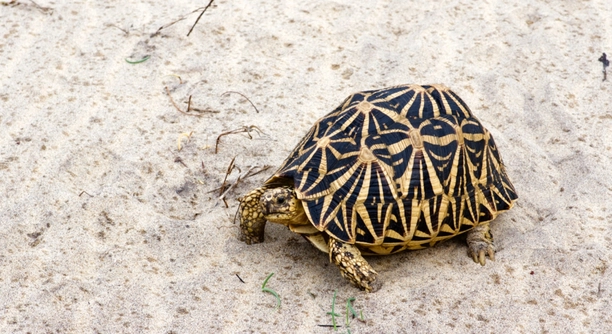
Turtles need specific nutrients to stay healthy, and vitamin D plays an important role in their well-being. It’s crucial to keep an eye on your turtle’s health to ensure they get the right amount of this essential vitamin.
A lack of vitamin D can cause a variety of health issues for your turtle, including poor shell growth, weakness, and even bone deformities. Ensuring your turtle gets enough vitamin D is key to maintaining their overall health and vitality.
Recognizing the signs of vitamin D deficiency in your turtle will help you take action before the situation worsens. Understanding these symptoms can help you maintain a healthier, happier pet.
1. Changes in Shell Health
One of the most noticeable signs your turtle may need more vitamin D is a change in its shell. A lack of vitamin D can affect the development of their shell, making it soft, weak, or misshapen. In more severe cases, the shell may become deformed or start to show signs of cracking. If your turtle’s shell looks unusual or if it seems less firm than before, this could be a warning sign.
A healthy shell is crucial for a turtle’s protection and overall well-being. Without enough vitamin D, the calcium needed for shell strength cannot be absorbed properly.
To prevent shell problems, ensure your turtle has access to proper UVB lighting or time outside in the sun. These are essential for vitamin D synthesis, which helps regulate calcium levels and supports healthy shell growth. Be mindful of any changes to your turtle’s shell, and seek advice if you’re concerned.
2. Poor Appetite and Weight Loss
Another indicator of vitamin D deficiency is a loss of appetite. If your turtle is eating less than usual or refuses food entirely, it could be due to improper vitamin D levels.
Turtles rely on vitamin D to process calcium, and without it, their overall health may decline. When vitamin D levels are low, they may struggle to digest food properly or lose interest in eating. This can lead to weight loss and poor health.
If your turtle isn’t eating enough, check its environment for possible vitamin D deficiencies. Ensure they have proper access to UVB light, and consider adjusting their diet. Sometimes adding supplements or adjusting lighting can make a significant difference. Consult a vet if weight loss persists, as it can lead to serious issues.
3. Weakness and Lethargy
Turtles that lack vitamin D may show signs of weakness or lethargy. They might not move as much as they usually do, or they could have trouble swimming.
This sluggishness happens because vitamin D is essential for calcium absorption, which helps muscles function properly. Without enough vitamin D, your turtle’s muscles may not get the nutrients they need to stay active and strong. The lack of energy can make your turtle seem unusually inactive.
It’s important to monitor your turtle’s behavior and activity levels. If your turtle is spending more time hiding or lying still, this could be a sign of a deficiency. Make sure their environment provides the right light and nutrition to prevent further health problems.
4. Bone Deformities
Bone deformities are another serious sign that your turtle might need more vitamin D. These deformities often show up as bent or curved limbs, or even problems with the turtle’s jaw.
Vitamin D is critical for proper bone growth and development. When vitamin D is insufficient, bones can become soft, leading to deformities. This can cause issues in mobility and overall health.
Ensure that your turtle has enough exposure to UVB light or natural sunlight. A proper diet and consistent access to the right lighting will help prevent these bone problems. If deformities occur, it’s essential to seek veterinary care for treatment.
5. Abnormal Shell Growth
Turtles that don’t get enough vitamin D may show abnormal shell growth. This can appear as uneven growth rings or a shell that’s too soft.
When vitamin D is lacking, calcium is harder to absorb, which directly impacts the shell’s development. This can result in poor-quality shell growth.
Check your turtle’s shell regularly for any odd textures or growth patterns. Providing the right lighting and a balanced diet can help promote proper shell development. If you notice persistent issues, seek help from a vet for further care.
6. Poor Digestive Health
Without adequate vitamin D, your turtle may experience digestive issues. This can include constipation or an overall decline in digestion.
Vitamin D is crucial for calcium absorption, which in turn affects the gastrointestinal system. Poor calcium levels can lead to digestive struggles, making your turtle feel unwell.
Monitor your turtle’s behavior and digestion. If they’re not passing waste regularly or seem bloated, it could be a sign of deficiency. Ensure they have proper UVB exposure and try to feed them a well-balanced diet to support their digestive system.
7. Excessive Sunbasking
If your turtle spends more time basking than usual, it could be a sign of vitamin D deficiency. They may instinctively try to increase their exposure to sunlight to compensate for low vitamin D levels.
Excessive basking is your turtle’s way of trying to absorb more UVB light, which helps synthesize vitamin D. Make sure your turtle has proper UVB lighting in their habitat, especially if they can’t access natural sunlight. Proper lighting can help them regulate their vitamin D levels, reducing excessive basking.
FAQ
How can I tell if my turtle needs more vitamin D?
If your turtle is showing signs of shell deformities, weakness, loss of appetite, or lethargy, it might need more vitamin D. Watch for changes in behavior, such as reduced activity or excessive basking, which are common signs of vitamin D deficiency. If you notice any of these issues, it’s a good idea to check your turtle’s UVB exposure and diet.
What is the best way to provide vitamin D to my turtle?
The best way to provide vitamin D is by ensuring your turtle has proper access to UVB light. Turtles synthesize vitamin D when exposed to UVB rays, either from natural sunlight or artificial lighting specifically designed for reptiles. In addition to UVB light, a balanced diet that includes calcium-rich foods, such as leafy greens and high-quality pellets, will support overall health.
Can I give my turtle vitamin D supplements?
While UVB light is the most natural way for turtles to absorb vitamin D, supplements can be used if necessary. If your turtle is not getting enough sunlight or UVB light, vitamin D3 supplements can help. However, be cautious with supplements, as too much vitamin D can be harmful. It’s best to consult with a vet to determine the right dosage for your turtle.
How much UVB light does my turtle need?
Turtles need about 10-12 hours of UVB light daily to maintain proper vitamin D levels. If your turtle is kept indoors, ensure the UVB light is on for this duration. The light should be placed close enough to your turtle, but not too close to cause burns. Be sure to replace UVB bulbs every 6-12 months, as their effectiveness decreases over time.
Can I use regular light bulbs instead of UVB bulbs?
No, regular light bulbs do not provide the necessary UVB rays that turtles need. UVB light is essential for synthesizing vitamin D, and normal bulbs don’t emit these rays. Use a UVB-specific bulb for reptiles to ensure your turtle’s health is supported. These bulbs should be designed for reptiles and placed at the correct distance from your turtle’s basking area.
What should I do if my turtle has a vitamin D deficiency?
If you suspect your turtle has a vitamin D deficiency, first check if they have adequate access to UVB light and a balanced diet. Increase their exposure to UVB light, and ensure their habitat is set up with the proper lighting. You may also consider vitamin D supplements if recommended by a vet. If the deficiency persists or if your turtle’s condition worsens, take them to a veterinarian for a professional assessment and treatment plan.
Is it safe for my turtle to get too much UVB light?
Yes, too much UVB light can be harmful to your turtle. Overexposure can cause burns or stress. Ensure the UVB light is placed at the right distance from your turtle’s basking area and that they have a place to move away from the light if they need to. A proper habitat setup will allow your turtle to regulate their exposure to UVB light.
What foods are best for increasing vitamin D in my turtle?
Leafy greens like collard greens, dandelion greens, and mustard greens are excellent sources of calcium and other nutrients. While vitamin D is mostly synthesized through UVB light, feeding your turtle a healthy diet rich in calcium will support overall bone and shell health. High-quality turtle pellets designed to provide essential nutrients also play a role in maintaining vitamin D levels.
Can a turtle survive without vitamin D?
A turtle cannot thrive without sufficient vitamin D. Without it, they cannot properly absorb calcium, leading to severe health problems like soft shells, bone deformities, and muscle weakness. Ensuring your turtle has access to UVB light and a balanced diet is essential for long-term health and survival.
What signs indicate that my turtle’s vitamin D levels are improving?
As your turtle’s vitamin D levels improve, you may notice positive changes like increased activity, better shell quality, improved appetite, and more consistent digestion. Their muscle strength will likely improve, and they may start moving around more instead of lying still. Additionally, any shell deformities or soft spots may begin to harden or show signs of better growth.
Can indoor turtles get enough vitamin D?
Yes, indoor turtles can get enough vitamin D if they have proper UVB lighting. Many pet stores offer UVB bulbs that simulate natural sunlight. If you can provide a UVB light source for your indoor turtle, it will help them synthesize vitamin D and maintain healthy bones and shells. Just make sure the light is positioned correctly, and your turtle gets enough exposure.
How long does it take for vitamin D to affect my turtle’s health?
It can take several weeks for improvements in vitamin D levels to show noticeable effects in your turtle’s health. If your turtle is recovering from a deficiency, you should begin to see signs like improved activity, better appetite, and healthier shell growth after about 2-4 weeks of proper UVB exposure and dietary adjustments. However, for serious deficiencies, it may take longer or require veterinary intervention.
Can I take my turtle outside for natural sunlight?
Yes, taking your turtle outside for natural sunlight can be beneficial. Natural sunlight is the best source of UVB rays, which are essential for synthesizing vitamin D. When taking your turtle outdoors, make sure they are in a safe, enclosed area where they can’t escape or be harmed. Avoid direct contact with predators or extreme temperatures. A few hours of sunlight a few times a week can help ensure your turtle’s vitamin D needs are met.
Final Thoughts
Ensuring your turtle gets enough vitamin D is essential for its overall health. Without adequate vitamin D, your turtle may experience shell problems, weakness, and digestive issues, all of which can affect its quality of life. The most important way to help your turtle get the right amount of vitamin D is through proper UVB lighting. UVB rays are crucial for vitamin D synthesis, and without them, your turtle may not be able to absorb enough calcium, which is vital for strong bones and a healthy shell. If your turtle is kept indoors, providing a high-quality UVB bulb is essential.
It’s also important to remember that diet plays a role in your turtle’s health. Feeding your turtle a well-balanced diet with calcium-rich foods, like leafy greens, will support its overall well-being. While vitamin D primarily comes from UVB light, calcium is another nutrient that helps with bone strength and shell growth. A combination of the right diet and proper lighting will ensure your turtle stays healthy and active. If you’re ever unsure about your turtle’s health or notice signs of vitamin D deficiency, consult a vet who can offer guidance on treatment and adjustments to your turtle’s care routine.
Lastly, taking the time to observe your turtle’s behavior and health is key to maintaining its well-being. If your turtle shows signs of vitamin D deficiency, like lethargy, loss of appetite, or shell issues, it’s crucial to act quickly. Increasing its exposure to UVB light and adjusting its diet can make a significant difference. Monitoring your turtle’s health regularly and making changes when necessary will help keep them happy and healthy for many years. Remember that a little care and attention can go a long way in ensuring your turtle’s long-term health.

Hello,
If you enjoy the content that we create, please consider saying a "Thank You!" by leaving a tip.
Every little bit helps us continue crafting quality advice that supports the health, happiness, and well-being of pets around the world, for pets of all shapes, sizes, and species.
We really appreciate the kindness and support that you show us!