
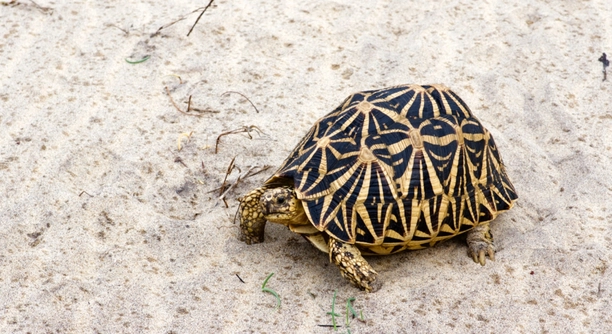
Turtles are fascinating creatures, and it’s not uncommon to notice certain behaviors that might seem unusual. One such behavior is when your turtle keeps opening and closing its mouth.
Opening and closing its mouth is a natural behavior for turtles. It may be a sign of respiratory issues, stress, or simple communication. Sometimes, it can be a way for turtles to regulate their breathing or adjust to their environment.
Understanding why this happens can help you take better care of your turtle. The article will walk you through the potential causes and what steps to take for your turtle’s well-being.
Common Causes of Mouth Opening in Turtles
Turtles may open and close their mouths for several reasons, some of which are completely normal. One of the most common causes is simply to regulate breathing. Turtles are often seen opening their mouths when they need extra airflow, especially if they’ve been swimming or basking. Another possibility is that they might be trying to communicate with other turtles, or it could be an instinctive action when they feel threatened or stressed.
In some cases, this behavior could also indicate a problem with your turtle’s environment. If the water quality is poor or if the turtle feels uncomfortable, it might open and close its mouth more frequently.
Stress is a major factor, too. When turtles are introduced to a new environment or handled too often, they may feel anxious. This anxiety can cause them to open their mouths in an attempt to calm themselves or express discomfort. Pay attention to other signs of stress, such as hiding or swimming erratically.
Respiratory Issues and Illness
If your turtle’s mouth opening becomes more frequent or is accompanied by other signs like wheezing, lethargy, or discharge from the nose, it may be a sign of a respiratory infection. This is more common in turtles that are kept in suboptimal conditions, such as dirty water or an environment that is too cold. Respiratory infections in turtles require immediate attention from a veterinarian to avoid further complications.
Keep an eye on your turtle’s behavior. When they are exposed to cold drafts or improper water temperatures, their immune system can weaken, making them more susceptible to infections. Proper care, including maintaining the right temperature and water quality, can help reduce the risk of respiratory issues.
Maintaining a clean tank, with proper filtration and temperature regulation, can help prevent many health problems, including respiratory infections. If your turtle is sick, it is essential to take them to a vet for proper diagnosis and treatment. Without care, these conditions can worsen, leading to more serious issues like pneumonia.
How to Address the Problem
If you notice that your turtle is repeatedly opening and closing its mouth, it’s essential to check the conditions in their habitat. First, ensure the water is clean and the temperature is optimal for your turtle’s species. Turtles are sensitive to water quality, and poor conditions can cause stress or health issues.
Make sure your turtle has plenty of space to swim and bask. An overcrowded tank can lead to increased stress, causing them to act out by opening their mouths more often. Additionally, try not to handle your turtle too frequently, as this can add to their stress.
If you notice signs of illness, such as discharge or a lack of energy, don’t hesitate to consult a veterinarian. Early treatment can prevent serious health problems. Monitoring their behavior closely and providing a comfortable environment can help your turtle stay healthy and happy.
Stress and Anxiety in Turtles
Turtles can become stressed from a variety of factors, including changes in their environment, handling, or being kept with other aggressive turtles. When stressed, they may open and close their mouths as a way to express their discomfort.
It’s important to make sure your turtle has a peaceful, calm environment. If they are constantly disturbed, whether by noise, movement, or overcrowding in their tank, they can become anxious. Turtles need a consistent habitat with proper lighting, water temperature, and a place to hide when they feel threatened.
Be mindful of how often you handle your turtle. Frequent handling can cause stress, especially if your turtle is not used to it. It’s best to let them explore on their own and minimize disturbances in their space to reduce anxiety and mouth-opening behaviors.
Proper Water Conditions for Your Turtle
Water quality plays a significant role in your turtle’s health and behavior. Poor water conditions can lead to stress, which may cause your turtle to open and close its mouth more often. Turtles need clean water to thrive.
Regularly check the water temperature and pH levels, and make sure your filtration system is working effectively. Keeping the water clean helps prevent stress and health problems. If the water is too warm or too cold, your turtle might show signs of distress, including the mouth-opening behavior. It’s crucial to make sure your turtle’s environment is optimal for their species.
If your turtle is swimming in dirty water or the water temperature fluctuates too much, this could stress them out. A stable environment with clean water will help your turtle stay healthy and prevent issues like frequent mouth-opening.
Respiratory Infections in Turtles
Respiratory infections are a serious issue that can cause your turtle to open and close its mouth frequently. Other symptoms include wheezing, lethargy, and nasal discharge. If untreated, it can worsen quickly.
If your turtle is showing these signs, it’s crucial to seek veterinary care. Respiratory infections can develop from poor tank conditions, like inadequate temperature or unclean water. Taking care of these factors can help prevent infections from occurring.
Importance of Proper Basking
Basking is important for your turtle’s health. When turtles don’t get enough heat or UV light, it can lead to stress and other health problems. Ensure your turtle has a designated spot to bask, where they can warm up properly.
A proper basking area supports digestion, bone health, and overall well-being. If your turtle is unable to bask effectively, they may become weak or stressed, which can lead to mouth-opening behaviors. Make sure their basking area is not too far from the water and is consistently warm.
FAQ
Why is my turtle opening and closing its mouth repeatedly?
Turtles open and close their mouths for various reasons, including regulating their breathing, expressing stress, or communicating with other turtles. It can also be a natural behavior to adjust to their surroundings. However, if this behavior is frequent or accompanied by other symptoms like lethargy or discharge, it could indicate a health issue, like a respiratory infection.
How can I tell if my turtle has a respiratory infection?
A respiratory infection in turtles can present with symptoms like wheezing, lethargy, nasal discharge, and constant mouth opening or closing. The turtle may also appear to struggle when breathing. If these symptoms are noticeable, it’s important to take your turtle to a veterinarian as soon as possible. Infections can worsen quickly, so early treatment is key to their recovery.
What should I do if my turtle is stressed?
If your turtle is stressed, first look at their environment. Stress can be caused by overcrowding, poor water quality, or frequent handling. Make sure your turtle has a proper basking spot, clean water, and enough space to move around. You should also minimize handling and provide them with hiding spots to make them feel more secure.
How can I improve the water quality in my turtle’s tank?
To improve water quality, you should have a proper filtration system to keep the water clean. Regularly change the water in the tank, especially if it’s cloudy or has a foul smell. You should also monitor the water temperature and ensure it matches your turtle’s species requirements. Cleaning the tank regularly and removing uneaten food will also help maintain a healthy environment for your turtle.
Can cold water cause my turtle to open and close its mouth?
Yes, cold water can cause your turtle to open and close its mouth. If the water temperature is too low, turtles may become stressed, which can lead to behavioral changes like excessive mouth-opening. Ensure the water is at the right temperature for your turtle’s species to avoid this issue.
Is it safe to handle my turtle often?
Frequent handling can cause stress to your turtle. Turtles are not like pets such as dogs or cats, and handling them too often may make them feel threatened. It’s best to let your turtle roam freely in their tank and only handle them when necessary, such as during cleaning or health checks. Always be gentle and avoid over-stimulating them.
What is the ideal temperature for a turtle’s tank?
The ideal temperature for your turtle’s tank will depend on the species. Most freshwater turtles need a water temperature between 75°F and 80°F (24°C to 27°C). Their basking area should be between 85°F and 90°F (29°C to 32°C). Maintaining the proper temperature is crucial for their digestion and overall health. Use a thermometer to keep track of the water and basking temperatures.
How often should I clean my turtle’s tank?
It’s important to clean your turtle’s tank regularly to maintain good water quality. You should do a partial water change weekly and clean the tank thoroughly every month. Make sure to scrub the tank walls and remove any uneaten food to avoid water contamination. A clean environment helps prevent health problems, including stress-related behaviors like mouth opening.
Can my turtle’s mouth-opening behavior be a sign of aggression?
While mouth opening can be a sign of aggression in some turtle species, it is more often related to stress, respiratory issues, or communication. Some turtles may open their mouths to establish dominance over other turtles, especially if they are in close quarters. If aggression is suspected, monitor their behavior closely and provide separate spaces for each turtle if necessary.
How can I make sure my turtle feels safe in its tank?
To make sure your turtle feels safe, ensure the tank has hiding spots, such as rocks, logs, or plants, where they can retreat when feeling threatened. Additionally, make sure the water temperature is consistent, and avoid overcrowding. A comfortable, secure environment will help your turtle feel less stressed and more relaxed.
Should I be worried if my turtle opens its mouth while basking?
Occasional mouth opening while basking is usually not a cause for concern. Your turtle might simply be adjusting its breathing or trying to regulate its body temperature. However, if the behavior is excessive or accompanied by other symptoms like lethargy, wheezing, or nasal discharge, it could indicate a health problem, such as a respiratory infection.
What type of food can help keep my turtle healthy?
Feeding your turtle a balanced diet is essential for their health. Most turtles benefit from a mix of commercial turtle pellets, leafy greens, and occasional protein sources like insects or fish. Be sure to provide a variety of foods to ensure they get all the nutrients they need. Avoid feeding them sugary or processed foods, as these can lead to health problems.
Can I use tap water for my turtle’s tank?
You can use tap water, but it’s important to treat it first. Tap water often contains chlorine or chloramine, which can be harmful to your turtle. Use a water conditioner to neutralize these chemicals before adding it to the tank. Additionally, monitor the water parameters like pH and hardness to make sure they are suitable for your turtle’s species.
How long can a turtle go without eating?
Turtles can go without food for a few days to a couple of weeks, depending on their age and health. However, it’s important not to let your turtle skip meals for extended periods, as this can weaken their immune system. If your turtle refuses food for more than a few days, it’s best to consult a veterinarian to check for underlying health issues.
Can a turtle’s mouth-opening behavior be caused by dehydration?
Yes, dehydration can cause your turtle to exhibit mouth-opening behavior. When turtles are dehydrated, they may open their mouths in an attempt to regulate their bodily functions. To prevent dehydration, make sure your turtle has access to clean water at all times. If dehydration persists, seek advice from a vet.
Final Thoughts
It’s normal for turtles to open and close their mouths occasionally, but if it becomes frequent or is accompanied by other signs of illness, it could be a cause for concern. This behavior can indicate something as simple as stress or a change in the environment, or it could point to an underlying health issue, such as a respiratory infection. It’s important to pay attention to other signs, such as lethargy, wheezing, or nasal discharge. If your turtle shows these additional symptoms, a visit to the veterinarian is recommended.
Providing the best care for your turtle involves maintaining a clean and stable environment. The water quality, temperature, and proper basking areas all play a crucial role in their overall health and behavior. A stressed turtle may show various signs, including opening and closing its mouth more often. Stress can come from overcrowding, poor water conditions, or excessive handling. Ensuring your turtle feels secure and comfortable will help reduce stress and improve their well-being. A calm and peaceful environment is essential for a happy and healthy turtle.
If your turtle’s behavior persists or you notice any concerning symptoms, don’t hesitate to seek professional advice. Respiratory infections, if untreated, can become serious quickly and require immediate attention. Regularly monitoring your turtle’s behavior and environment can help you address any issues early and keep them healthy. Remember, turtles rely on us to provide the right care, and when we understand their needs, they thrive in our care. Always ensure their habitat meets the specific requirements of their species and consult a vet if you suspect any health problems.

Hello,
If you enjoy the content that we create, please consider saying a "Thank You!" by leaving a tip.
Every little bit helps us continue crafting quality advice that supports the health, happiness, and well-being of pets around the world, for pets of all shapes, sizes, and species.
We really appreciate the kindness and support that you show us!