
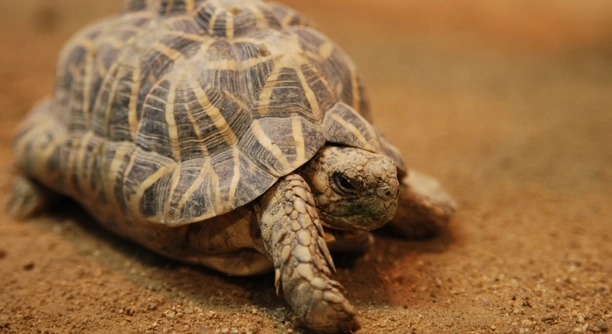
Shedding skin is a normal part of your turtle’s growth cycle. However, when this shedding occurs in large pieces, it can raise concerns. Understanding the cause behind this shedding can help you ensure your turtle’s health and well-being.
Turtles shed their skin as they grow, and it’s common for them to shed in larger pieces. This can happen due to environmental factors, such as temperature and humidity levels, or natural growth patterns.
The next section will explore how you can identify the cause of excessive shedding and what steps you can take to help your turtle through the process.
Reasons Why Turtles Shed Skin in Large Pieces
Shedding skin in large pieces is usually a natural occurrence for turtles. As they grow, the old skin needs to be replaced. This is especially noticeable in turtles with hard, scaly skin. It’s essential to understand that shedding is a sign of your turtle’s health and development. However, large pieces can sometimes signal an imbalance in the environment, stress, or poor diet. For example, if a turtle is kept in a dry or overly humid environment, it may shed excessively, which is not typical. Maintaining a stable and suitable habitat can help prevent abnormal shedding patterns. It’s also crucial to provide proper lighting and nutrition, which influence how well the turtle’s skin sheds.
Turtles’ shedding process can vary depending on their species and habitat. Proper care is key.
If you notice that the skin is coming off in large pieces more often, it may be time to assess your turtle’s living conditions. Ensure the temperature, humidity, and diet are all on point.
How to Support Healthy Shedding
To support your turtle through healthy shedding, check the water temperature and humidity in its tank. Make sure it has access to basking areas and UVB lighting, which are crucial for its health. Offering a balanced diet filled with vitamins and minerals helps maintain its overall well-being, keeping the shedding process smooth and normal. If environmental factors aren’t ideal, it can cause stress that leads to excessive shedding. Stress can also manifest in other ways, like changes in behavior or reduced appetite, which can make shedding more noticeable.
If everything is in place, but your turtle continues to shed in large pieces, it may be a sign of an underlying health issue. Check for any signs of infections or skin irritations. A veterinarian experienced in reptile care can offer guidance and treatment options. Keeping track of the shedding patterns over time will help you notice any abnormalities, so you can address them quickly.
Temperature and Humidity Levels
If the temperature and humidity in your turtle’s environment are off, shedding can become irregular. Turtles need a warm area to bask and a cooler, moist space for swimming. The right humidity helps to soften the skin, allowing it to shed naturally. Too much or too little moisture can cause excessive shedding in large patches.
A good way to monitor this is by using a thermometer and hygrometer. Keep the basking area between 85-90°F (29-32°C) and the water temperature around 75-80°F (24-27°C). If the humidity is too low, consider adding a humidity box or misting the tank. If it’s too high, you might need to adjust ventilation.
Keeping the environment stable prevents stress and allows your turtle to shed skin naturally. A fluctuating or inappropriate environment will result in more noticeable shedding and possible skin issues. Regular maintenance of your turtle’s habitat is necessary to ensure consistent skin health.
Nutrition and Diet
Turtles need a balanced diet rich in vitamins, minerals, and protein to support healthy skin and growth. A poor diet can lead to improper shedding, causing it to come off in larger pieces. Ensure your turtle gets enough vitamin A, calcium, and essential fatty acids. A lack of these nutrients can result in unhealthy skin and slow or uneven shedding.
Feed your turtle a mix of leafy greens, vegetables, and protein. You can also provide occasional treats like insects or small fish. Avoid offering too much high-fat food, as it can lead to obesity and other health problems. Supplementing with calcium and multivitamins ensures a balanced diet and supports healthy skin regeneration.
Making sure your turtle’s diet is well-rounded helps in maintaining healthy skin that sheds naturally. Lack of proper nutrition can weaken the shedding process, leading to issues that may require veterinary care. If shedding becomes problematic, reviewing their diet and supplementing appropriately can fix the problem.
Stress and Overhandling
Turtles can become stressed if they are handled too much or placed in unfamiliar environments. Stress can lead to excessive shedding, which might appear in large patches. It’s essential to give your turtle time to adjust to new surroundings or routines to avoid unnecessary stress.
If your turtle is shedding excessively, assess its activity level. Avoid moving them frequently and keep loud noises to a minimum. A calm, stable environment helps reduce stress and promotes normal shedding. Remember, turtles are sensitive creatures and thrive in a peaceful, low-stress habitat.
Infections and Skin Issues
In some cases, large-scale shedding can be a sign of infections or skin problems. Bacterial infections, fungal growth, or parasites can cause skin irritation, leading to shedding in chunks. If your turtle seems uncomfortable, has red or inflamed areas, or exhibits unusual behavior, it’s time to consult a vet.
Prompt treatment can prevent more severe health issues and ensure your turtle recovers quickly. Regularly inspect your turtle for any visible sores, discoloration, or abnormal growths. Keeping your turtle’s tank clean and properly filtered can help avoid these health problems in the first place.
Environmental Enrichment
Boredom or lack of stimulation can also affect your turtle’s well-being, leading to stress and abnormal shedding. It’s important to provide environmental enrichment like hiding spots, floating objects, and varied spaces for swimming and basking. These features will make your turtle feel more at ease and reduce the chance of excessive shedding.
FAQ
Why is my turtle shedding skin in large pieces?
Turtles shed their skin as they grow. This is a natural process, but large pieces of shedding can indicate an issue with their environment or health. If your turtle is shedding in large chunks, it could be due to improper humidity, temperature, or poor nutrition. Stress and infection can also cause excessive shedding. It’s important to observe their tank conditions, diet, and behavior to identify any potential problems.
What should the humidity and temperature levels be for my turtle?
The ideal temperature for a turtle’s basking area should be between 85-90°F (29-32°C), while the water temperature should range between 75-80°F (24-27°C). Humidity levels should be kept at around 50-60% in the tank. A stable environment with consistent warmth and moisture will help your turtle shed naturally and avoid excessive skin loss. If the temperature or humidity is too low or high, your turtle might shed in larger patches.
Is it normal for a turtle to shed in large pieces?
It is normal for turtles to shed their skin, but shedding in large pieces is not always typical. This can happen if the turtle’s habitat isn’t ideal or if it is experiencing stress. Generally, small, flaky skin shedding is more common. If the shedding appears to be in large chunks frequently, it’s a sign that something might be off with their living conditions or health.
How often do turtles shed their skin?
Turtles shed their skin regularly, but the frequency can vary. Some species shed every few weeks, while others might shed once a month. Young turtles typically shed more frequently as they grow. As turtles age, they might shed less often. Regular shedding is normal, but if it becomes excessive or happens in large pieces, it could indicate an issue with their care.
Can stress cause excessive shedding in turtles?
Yes, stress can cause turtles to shed their skin excessively. Turtles are sensitive to changes in their environment. If they are handled too often, moved frequently, or exposed to loud noises or sudden changes, it can lead to stress. This can trigger larger or more frequent skin shedding. Reducing stress by providing a quiet, stable environment can help alleviate this problem.
What should I do if my turtle is shedding in large pieces?
If your turtle is shedding in large pieces, the first step is to check its environment. Ensure that the temperature and humidity are appropriate for its species. Review its diet to ensure it’s getting the proper nutrients, especially vitamins A and calcium. If these factors seem fine but the shedding persists, it may be time to consult a vet to rule out infections, parasites, or other health issues.
How can I help my turtle shed naturally?
To help your turtle shed naturally, make sure its tank environment is ideal. Keep the water clean and the humidity levels in check. Provide proper UVB lighting and a basking area where your turtle can regulate its body temperature. A well-balanced diet with sufficient vitamins and minerals also supports the shedding process. Avoid overhandling and keep the turtle’s stress level low.
Can I use supplements to help my turtle shed?
Yes, supplements can help with shedding. If you’re concerned about your turtle’s diet, you can use calcium and multivitamin supplements. These can be sprinkled on their food to ensure they are getting the necessary nutrients for healthy skin and proper shedding. However, supplements should only be used as a complement to a balanced diet, not as a replacement.
Is my turtle’s shedding a sign of a health problem?
While shedding is natural, excessive shedding or shedding in large pieces can indicate a health problem. If your turtle is shedding in large chunks regularly, it could be due to poor diet, dehydration, or a skin infection. Infections, parasites, or fungal issues can also cause abnormal shedding. It’s important to keep an eye out for other signs like lethargy, lack of appetite, or discolored skin.
How can I prevent my turtle from shedding excessively?
To prevent excessive shedding, you need to ensure your turtle’s environment is optimal. Keep the temperature and humidity at proper levels, provide a clean and spacious tank, and feed a nutritious diet. Avoid overhandling and make sure your turtle is not stressed. Regularly check for any signs of infection or illness and address them promptly.
Can excessive shedding harm my turtle?
Excessive shedding itself is unlikely to harm your turtle, but the underlying cause can lead to health problems. If excessive shedding is caused by stress, improper diet, or infections, these issues can affect your turtle’s overall health. Addressing the cause of the shedding early will help prevent more serious problems from developing.
Final Thoughts
Turtles shedding skin in large pieces can be concerning, but it’s often part of their normal growth cycle. Just like other reptiles, they naturally shed their old skin to make way for new growth. However, if the shedding seems excessive or happens in large chunks, it’s a good idea to take a closer look at their environment, diet, and overall health. It’s essential to ensure that your turtle has a stable and comfortable living space with the right temperature and humidity. Small changes to their habitat can make a big difference in how they shed their skin.
It’s also important to remember that a balanced diet plays a significant role in your turtle’s health. Vitamins and minerals like calcium and vitamin A are crucial for healthy skin, so make sure your turtle is getting the proper nutrients. Feeding them a mix of leafy greens, vegetables, and occasional protein will help support their natural growth and shedding. If you notice that your turtle is not eating well or has other signs of illness, it’s a good idea to consult with a vet. Early intervention can help prevent more serious health issues from developing.
Lastly, be mindful of how often you handle your turtle. Stress can contribute to excessive shedding, so avoid making sudden changes to their environment. Give your turtle time to adjust and maintain a quiet, calm atmosphere around them. By monitoring their care routine and paying attention to any unusual behavior, you can help your turtle shed in a healthy and natural way. If excessive shedding persists, don’t hesitate to seek professional advice. Keeping track of your turtle’s habits and health will ensure they stay happy and well.

Hello,
If you enjoy the content that we create, please consider saying a "Thank You!" by leaving a tip.
Every little bit helps us continue crafting quality advice that supports the health, happiness, and well-being of pets around the world, for pets of all shapes, sizes, and species.
We really appreciate the kindness and support that you show us!