
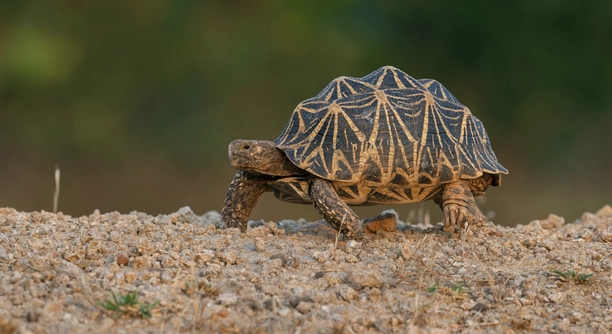
Turtles, like any pets, require a balanced diet to grow healthy and strong. Their growth is affected by the foods they eat, so it’s important to feed them the right nutrients for their development.
The best foods for encouraging turtle growth include leafy greens, high-quality pellets, protein sources like insects, and fruits in moderation. These foods provide essential nutrients for bone development, shell strength, and overall growth.
Choosing the right food will have a positive impact on your turtle’s health. By incorporating these nutritious options into their diet, you can help them thrive and grow at a healthy pace.
Leafy Greens for Healthy Growth
Leafy greens are one of the most essential foods for your turtle’s growth. These vegetables are packed with important vitamins and minerals, such as calcium, which support bone health and shell development. Greens like kale, collard greens, and dandelion leaves should be part of your turtle’s daily diet. They’re high in fiber, which also aids in digestion. Just be sure to wash the greens thoroughly before serving them to avoid any harmful pesticides.
Offering a variety of greens ensures your turtle gets a balanced intake of nutrients. Some turtles are picky eaters, so trying different options can help you find what they prefer.
Including leafy greens as part of a balanced diet is vital for supporting your turtle’s growth and overall health. Be mindful to mix in other food groups as well, but leafy greens should always remain a staple. They’re low in fat, easy to digest, and provide much-needed hydration for your turtle, helping keep them active and strong.
High-Quality Pellets: A Nutritional Staple
Pellets are specifically designed to meet the nutritional needs of turtles.
High-quality pellets provide essential vitamins, minerals, and protein, ensuring your turtle gets everything needed for healthy growth. While they shouldn’t be the only food option, pellets can be a reliable and easy-to-feed part of their diet.
Protein Sources: Essential for Growth
Insects like crickets, mealworms, and earthworms provide high-quality protein to your turtle. Protein is key for muscle development and growth. You can feed these insects live or frozen, but be careful not to overfeed. Too much protein can lead to kidney issues.
Adding protein sources every few days ensures your turtle is getting the proper nutrients. Offering a variety of insects helps keep things interesting and prevents dietary monotony. Stick to small portions to avoid digestive problems, as too much protein may also lead to an imbalanced diet.
Protein is also crucial for turtles in their younger years when they’re still growing rapidly. While adult turtles need less protein, hatchlings and juveniles rely heavily on it. Balance is essential when including protein-rich foods to avoid overfeeding. It’s best to provide a mix of plant-based foods with protein to meet all of their needs.
Fruits: A Sweet Treat in Moderation
Fruits can be a fun and tasty addition to your turtle’s diet.
Offering fruits like strawberries, apples, and watermelon is a good way to provide vitamins and hydration. However, these should only be fed occasionally, as fruit is high in sugar and can cause digestive problems if given too often.
Aquatic Plants: Natural Food Sources
Aquatic plants like water lettuce, water hyacinth, and duckweed are excellent additions to your turtle’s diet. They’re high in fiber and provide essential nutrients that help with digestion and overall health. These plants also give your turtle a chance to forage naturally, encouraging natural behaviors.
Adding aquatic plants to your turtle’s habitat ensures they have access to a variety of nutrients. They also provide extra hydration, which helps your turtle stay well-fed and hydrated. Offering plants in their habitat also supports a more enriched environment, simulating their natural surroundings.
Commercial Turtle Food: Convenience and Balance
Commercial turtle food is formulated to meet your turtle’s nutritional needs.
This pre-packaged food contains a mix of plant and animal-based ingredients, designed for balanced growth. Choose a high-quality brand that lists healthy ingredients. These are perfect for busy owners and offer a reliable option for daily feeding.
FAQ
What should I feed my turtle for optimal growth?
To ensure your turtle grows well, feed a balanced diet that includes a variety of leafy greens, high-quality pellets, protein sources like insects, and occasional fruits. Leafy greens such as kale, collard greens, and dandelion leaves provide essential vitamins and calcium for bone health. Protein-rich foods like crickets, mealworms, and earthworms help support muscle growth. Fruits like strawberries and apples can be given occasionally as a treat, but don’t overdo it due to their high sugar content. Variety is key to making sure your turtle gets all the nutrients it needs.
How often should I feed my turtle?
You should feed your turtle every day or every other day, depending on its age and species. Younger turtles need more frequent feedings, as they are growing rapidly. For hatchlings and juveniles, feeding them once or twice a day is ideal. Adult turtles can usually be fed every other day. If you’re unsure, it’s always a good idea to follow the feeding recommendations provided by your turtle’s specific species or consult a vet for guidance.
Can I overfeed my turtle?
Yes, overfeeding can be harmful to your turtle. While it’s essential to provide enough food for growth, overfeeding can lead to obesity and other health issues. Stick to recommended portion sizes, and avoid offering excessive amounts of protein, which can strain your turtle’s kidneys. Offering a variety of foods in moderation helps prevent overfeeding, ensuring your turtle’s health and growth. Monitor your turtle’s weight and activity levels, and adjust their feeding routine as necessary.
Is it safe to feed my turtle commercial food?
Yes, high-quality commercial turtle food is safe and can be a good source of balanced nutrition. These foods are formulated to meet the dietary needs of turtles. Look for brands that list natural ingredients and avoid those with artificial colors, preservatives, or fillers. Commercial food can be a convenient option, but it should be part of a balanced diet that includes fresh greens, protein, and other foods. Don’t rely solely on pellets for nutrition, as variety is key to your turtle’s well-being.
What fruits can I feed my turtle?
Turtles can enjoy a range of fruits in moderation, including strawberries, blueberries, apples, pears, and watermelon. Fruits should only be fed as a treat because they are high in sugar and can upset your turtle’s digestive system if given too often. Make sure to remove any seeds from the fruits to avoid choking hazards. Always cut the fruits into small, manageable pieces and avoid giving overly ripe or processed fruits, as they can contain too much sugar.
Are aquatic plants good for my turtle?
Yes, aquatic plants like water lettuce, duckweed, and water hyacinth are great for turtles. They provide essential fiber, which aids in digestion, and help keep your turtle hydrated. In the wild, turtles often forage for plants, so including them in their diet can help mimic their natural feeding habits. These plants also offer a natural environment for your turtle, promoting mental stimulation and encouraging natural behaviors. Be sure to introduce a variety of aquatic plants to keep things interesting for your turtle.
How can I make sure my turtle gets enough calcium?
Calcium is crucial for your turtle’s shell and bone health. To make sure they get enough, provide foods that are rich in calcium, such as leafy greens (like kale and collard greens) and high-quality pellets fortified with calcium. You can also offer calcium supplements, such as cuttlebone or calcium blocks, which your turtle can nibble on. Ensure your turtle has access to natural sunlight or UVB lighting, as it helps them absorb calcium efficiently. Without enough calcium, your turtle may experience shell deformities or other health problems.
Can I feed my turtle vegetables?
Yes, turtles can eat a variety of vegetables, including carrots, zucchini, and sweet potato. Vegetables provide essential nutrients and fiber that aid digestion. Stick to vegetables that are high in fiber and low in oxalates, such as collard greens and dandelion leaves. Avoid giving your turtle starchy vegetables, like potatoes, as they are harder for turtles to digest and don’t offer much nutritional value. Always cut vegetables into small, bite-sized pieces and remove any uneaten portions to prevent spoilage in the enclosure.
Should I feed my turtle live insects?
Feeding your turtle live insects, such as crickets and mealworms, is a great way to provide high-quality protein. Live insects help encourage natural hunting and foraging behavior, which can be stimulating for your turtle. However, it’s important not to overfeed insects, as they are high in protein and too much can lead to kidney problems. Make sure the insects are the right size for your turtle, and remove any uneaten insects to prevent them from becoming a nuisance in the enclosure.
How do I know if my turtle is getting enough food?
A healthy turtle will be active and alert, with a well-rounded shell and a steady growth rate. If your turtle is eating well and growing steadily, you can assume they’re getting enough food. Monitor their weight and shell condition regularly to ensure they’re not becoming under or overweight. If your turtle refuses food for an extended period or shows signs of illness, it’s a good idea to consult with a vet. Over time, you will develop a sense of how much food is right for your turtle based on their size, age, and species.
Final Thoughts
Feeding your turtle a balanced diet is essential for its growth and well-being. By offering a variety of foods like leafy greens, high-quality pellets, protein sources, and occasional fruits, you can ensure your turtle gets the nutrients it needs. Each type of food plays an important role in supporting different aspects of your turtle’s health. For example, leafy greens help with calcium intake, while protein supports muscle growth, and fruits provide vitamins and hydration. When you mix different food sources, you make sure your turtle has a well-rounded diet that promotes healthy growth.
It’s also important to keep in mind the age and size of your turtle. Hatchlings and juveniles require more frequent feedings, especially with protein, while adult turtles need less protein and can be fed every other day. As your turtle grows, its dietary needs may change, so always observe how it responds to different foods and adjust accordingly. Offering food in moderation is key, as overfeeding can lead to health issues like obesity. Monitor your turtle’s weight and activity level regularly to ensure it’s eating the right amount.
Finally, remember that a healthy diet is just one part of caring for your turtle. Providing the right habitat with access to UVB lighting, clean water, and enough space to move around is equally important. A balanced diet, along with proper care, will help your turtle grow strong and live a long, healthy life. Taking the time to research your turtle’s specific needs and feeding habits will go a long way in making sure it stays healthy and happy.

Hello,
If you enjoy the content that we create, please consider saying a "Thank You!" by leaving a tip.
Every little bit helps us continue crafting quality advice that supports the health, happiness, and well-being of pets around the world, for pets of all shapes, sizes, and species.
We really appreciate the kindness and support that you show us!