
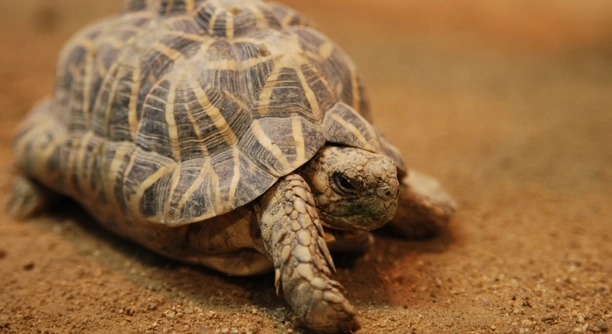
Turtles are wonderful pets, but taking care of them requires attention to detail. One common issue many turtle owners face is dirty water in the tank. It can be frustrating to clean the tank often.
The primary reason your turtle’s water is getting dirty quickly is due to overfeeding, waste buildup, and insufficient filtration. When turtles eat too much or when there is not enough filtration, waste accumulates faster, making the water dirty.
Proper maintenance and feeding habits will help keep the water cleaner longer. In the next sections, we will explore some simple steps to improve water quality and reduce cleaning time.
Overfeeding Your Turtle
One of the most common reasons for dirty water is overfeeding your turtle. When turtles are given too much food, they don’t always eat it all. Leftover food can sink to the bottom of the tank and break down, contributing to the water getting dirty. This excess food can create harmful bacteria and even affect your turtle’s health.
If you notice the water is cloudy or there’s food debris floating around, it might be time to adjust your turtle’s feeding schedule. Keep in mind that turtles don’t need large amounts of food.
To help keep the tank clean, feed your turtle only what it can consume in about 15 minutes. This reduces the amount of leftover food that can decay and pollute the water. Additionally, try offering varied foods like vegetables, pellets, and occasional protein, but always in small amounts. Regularly monitor the tank after feeding to remove any uneaten food promptly. By controlling the amount of food you provide, you can make a big difference in maintaining clean water for your turtle.
Insufficient Filtration
If your turtle’s water is still getting dirty quickly, it could be due to poor filtration. Turtles create a lot of waste, and without the proper filtration system, the tank can quickly become dirty. A weak filter can’t keep up with the amount of waste your turtle produces.
Choosing the right filter for your turtle’s tank size and water conditions is essential. Make sure the filter is powerful enough to handle the waste load, and clean it regularly to keep it functioning properly.
Lack of Tank Maintenance
Not cleaning your turtle’s tank regularly is another major factor in dirty water. If the tank isn’t maintained, debris, waste, and uneaten food can build up quickly. This causes the water to become cloudy and foul-smelling.
A regular cleaning schedule is essential to keep things under control. At least once a week, change a portion of the water, remove any leftover food, and scrub the surfaces of the tank to get rid of algae. Don’t forget to clean the decorations and rocks. It’s important to keep everything in the tank clean to help reduce the buildup of waste.
In addition to regular cleaning, check for any visible signs of waste that might be overlooked, such as pieces of shed skin or uneaten pellets. These small things add up over time, causing the tank water to become dirty faster than expected. A consistent cleaning routine will go a long way in maintaining better water quality and ensuring your turtle stays healthy.
Poor Tank Setup
A poorly designed tank setup can also contribute to dirty water. If your tank is overcrowded with items or lacks enough space, the water can become stagnant, making it easier for waste to accumulate.
Ensure there’s enough space for your turtle to move around freely and for the water to circulate properly. Consider adding plants or aquatic decorations that help with filtration and water flow. If the tank is too small, your turtle may produce more waste than the space can handle, leading to dirty water.
Water Temperature
If the water temperature is too high or too low, it can cause your turtle’s metabolism to change, leading to more waste production. Warm water can also encourage bacteria growth, making the water dirtier faster.
Keep the water temperature within the recommended range for your turtle species. It’s best to use a thermometer to monitor the temperature consistently. A stable environment helps your turtle stay healthy and minimizes waste buildup.
Water pH Levels
The pH level of the water can also affect cleanliness. Water that is too acidic or too alkaline can stress your turtle, leading to higher waste production and dirtier water.
Testing and adjusting the pH regularly is key to maintaining a healthy environment for your turtle.
FAQ
Why does my turtle’s water turn green?
Green water usually means an overgrowth of algae. Algae thrives in tanks with excess light, poor filtration, or high levels of nutrients like leftover food and turtle waste. To fix this, reduce the amount of light your tank gets, clean it more often, and make sure the filter is doing its job. You can also add algae-eating creatures like snails or certain types of fish to help control the growth.
How often should I change my turtle’s water?
Water changes should happen at least once a week, but it depends on the size of the tank and the number of turtles you have. For a small tank or if you have multiple turtles, you might need to change the water more frequently. Always check the water quality with a test kit to see if it needs cleaning sooner.
Can I use tap water for my turtle’s tank?
Tap water is okay to use, but it’s important to treat it first. Tap water often contains chlorine, which can be harmful to your turtle. Use a water conditioner that neutralizes chlorine and other chemicals before adding it to the tank. Let the water sit for a day or two to ensure it’s safe.
How can I reduce waste in my turtle tank?
To reduce waste, feed your turtle smaller portions and clean the tank more often. Don’t overfeed, as excess food adds to the waste buildup. A strong filtration system helps filter out waste before it can settle at the bottom. Also, remove uneaten food within 15 minutes of feeding.
Why is my turtle’s tank still dirty after cleaning?
If the tank is still dirty after cleaning, it could be due to an insufficient filter, too much food being given, or a lack of proper maintenance. Check the filter to make sure it’s working properly and that it’s the right size for your tank. Cleaning the decorations and the substrate can also help.
What kind of filter is best for a turtle tank?
A canister filter is usually the best option for turtle tanks, as it provides strong filtration and can handle large amounts of waste. Make sure the filter is rated for your tank size. It’s important to clean the filter regularly so it continues to function well.
How can I prevent my turtle’s water from smelling bad?
A bad smell often comes from leftover food or turtle waste. Regular water changes, a good filtration system, and removing uneaten food will help keep the smell down. Adding live plants can help absorb some of the excess nutrients that cause foul odors.
Is it safe to use gravel in my turtle tank?
Gravel is not ideal for turtle tanks because it can trap waste and uneaten food, making it harder to keep the tank clean. If you prefer a substrate, use smooth river rocks or sand, which are easier to clean and don’t trap as much debris.
Can I have live plants in my turtle tank?
Yes, live plants can be beneficial for a turtle tank. They help absorb excess nutrients from the water and provide hiding spots for your turtle. However, some turtles may nibble on plants, so make sure to choose plants that can tolerate this or use plastic plants if needed.
How do I know if my turtle is stressed?
Signs of stress in a turtle include excessive basking, not eating, or hiding more than usual. Stress can be caused by dirty water, an inadequate tank setup, or improper water temperature. Make sure your turtle has enough space, clean water, and a proper basking area to reduce stress.
How do I clean my turtle’s tank without stressing it out?
When cleaning, it’s important to keep your turtle in a temporary container with clean water. Avoid using harsh chemicals in the tank, and make sure the water temperature remains stable. Gently remove waste and debris, and never fully change the tank water all at once, as it can be a shock to your turtle.
What temperature should the water be for my turtle?
The water temperature should be between 75°F and 80°F (24°C to 27°C) for most freshwater turtles. For certain species, the range might vary slightly. Use a water heater to maintain a stable temperature, and keep an eye on it with a thermometer. Cold water can make your turtle sluggish and affect digestion.
How do I prevent algae growth in my turtle tank?
To prevent algae, limit the amount of light the tank receives, especially direct sunlight. Make sure to clean the tank regularly, removing any algae that start to grow. Adding algae-eating creatures like snails or shrimp can help keep it under control.
Can I use a UVB light for my turtle?
Yes, UVB lighting is essential for most turtles. UVB light helps them produce vitamin D3, which is necessary for calcium absorption and shell health. Make sure the light is placed correctly over the basking area and replaced every 6-12 months, as it loses effectiveness over time.
What is the best way to filter turtle tank water?
A strong, efficient filter is essential for keeping your turtle’s water clean. Canister filters, sponge filters, and external filters are all good options. Choose one with a high flow rate and clean it regularly to ensure it continues to work well. A good filter should remove both debris and excess nutrients.
How can I tell if my turtle is sick?
Signs of illness in turtles can include lethargy, lack of appetite, swollen eyes, or abnormal behavior like swimming in circles. If you notice any of these symptoms, it’s best to take your turtle to a vet who specializes in reptiles. Early detection can prevent more serious problems.
Final Thoughts
Maintaining clean water in your turtle’s tank doesn’t have to be difficult, but it does require regular attention. By keeping an eye on the basics like feeding habits, filtration, and water temperature, you can reduce the frequency of tank cleaning and provide a healthier environment for your turtle. It’s important to clean the tank regularly, check for any signs of waste buildup, and replace the water when necessary. With the right care, you’ll find that the water stays cleaner for longer, making life easier for both you and your turtle.
One of the most important factors in preventing dirty water is feeding your turtle the right amount of food. Overfeeding is a common mistake, and leftover food can quickly lead to cloudy, dirty water. It’s important to feed your turtle only what it can eat in about 10-15 minutes and remove any uneaten food immediately. Additionally, providing a balanced diet helps keep your turtle healthy, which in turn reduces waste production. Pairing proper feeding habits with a good filtration system and regular water changes can make a huge difference.
In the end, creating a clean and healthy tank environment is all about consistent care and maintenance. Regular cleaning, proper feeding, and the right tank setup are key to preventing dirty water. While it might take some time to adjust and find the best routine for your turtle, it’s well worth the effort. By staying on top of these tasks, you can ensure your turtle stays happy and healthy, and you’ll enjoy a cleaner, more pleasant tank.

Hello,
If you enjoy the content that we create, please consider saying a "Thank You!" by leaving a tip.
Every little bit helps us continue crafting quality advice that supports the health, happiness, and well-being of pets around the world, for pets of all shapes, sizes, and species.
We really appreciate the kindness and support that you show us!