
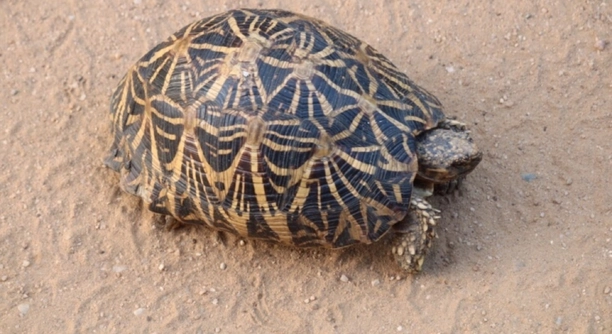
Turtles are fascinating creatures that require specific care to stay healthy. If you have a pet turtle, you may notice it basking frequently. This behavior can sometimes indicate an underlying issue, so it’s important to pay attention.
The most common reasons your turtle might be basking too much include improper temperature, inadequate lighting, or health problems like skin infections. Overbasking can also result from stress or an imbalanced environment that doesn’t meet your turtle’s needs.
Recognizing the signs of excessive basking is crucial for your turtle’s well-being. Understanding the causes behind this behavior can help you make the necessary adjustments for a happier and healthier pet.
Temperature Imbalance
One common reason for excessive basking in turtles is an incorrect temperature in their environment. Turtles are cold-blooded and need to regulate their body temperature. If the basking area is too hot or too cold, they will spend more time trying to adjust their body temperature. A basking area that is too cold may prevent your turtle from properly digesting food or could cause them to become lethargic. On the other hand, if it’s too hot, they may try to escape the heat by basking longer to cool down.
Making sure the temperature of your turtle’s basking spot is in the ideal range can help maintain its overall health. The basking area should be around 85-90°F (29-32°C) during the day, with the water temperature kept slightly lower, around 75-80°F (24-27°C).
Check the temperatures regularly with a thermometer, as consistent temperature fluctuations can stress out your turtle. By creating a stable environment, you allow your turtle to bask only when needed, which will keep it healthy and active.
Poor Lighting Conditions
If your turtle isn’t getting the right kind of light, it may bask more than necessary. Turtles need both UVA and UVB light to stay healthy, as these help them metabolize calcium and maintain strong bones. Without proper lighting, they may bask to try and absorb the necessary UVB rays, even if they don’t need to warm up.
The UVB light should be on for around 10-12 hours a day. Make sure the bulb is the right type for turtles, as standard household lighting won’t provide the needed UVB rays. A lack of proper UV light could lead to conditions like metabolic bone disease or other health problems.
Inadequate lighting also means your turtle may have trouble regulating its metabolism, leading to excessive basking. If you notice your turtle basking constantly and showing signs of lethargy or poor shell growth, it may be time to check the lighting and adjust it accordingly.
Stress and Anxiety
Turtles, like many pets, can get stressed out easily. Stress from changes in their environment, handling, or even the presence of other animals can cause them to bask more often. They may seek the basking area as a way to feel safe or retreat from their anxiety.
When turtles are stressed, their behavior changes. They may become more reclusive, stop eating properly, or spend too much time on the basking platform. If there have been recent changes in your turtle’s environment, consider making adjustments to help reduce stress.
Health Issues
If a turtle is sick or in pain, it may bask more than usual. Certain health issues, like skin infections or respiratory problems, can cause discomfort, and basking might provide relief. If your turtle is basking excessively, pay attention to other signs of illness, such as lethargy, loss of appetite, or swelling.
If you notice symptoms beyond increased basking, it’s important to consult a vet who specializes in reptiles. Early diagnosis and treatment can prevent the condition from worsening and help your turtle recover quicker.
FAQ
Why does my turtle bask so much during the day?
Turtles bask to regulate their body temperature, and excessive basking may indicate an issue with their environment. It could be that the basking area is too hot or too cold, or the lighting might not be ideal. In some cases, your turtle could be stressed, sick, or just trying to meet its UVB light needs. Observe your turtle’s behavior and check the temperature and lighting in its habitat to rule out these factors.
How can I tell if my turtle is stressed?
A stressed turtle might display a few clear signs: excessive basking, hiding more than usual, refusing food, or being overly aggressive. Stress can be triggered by a sudden change in their environment, a new tank mate, or noise. If you notice these behaviors, try to minimize disturbances and ensure their habitat is calm and stable.
Can a turtle bask too much?
Yes, turtles can bask too much. While basking is essential for their health, overdoing it may indicate an underlying issue, such as improper temperature, lighting, or stress. Prolonged basking can lead to dehydration or sunburn, and it can also be a sign that your turtle is trying to avoid uncomfortable water conditions.
What is the ideal temperature for my turtle’s basking area?
The ideal basking temperature for most turtle species is between 85-90°F (29-32°C). If the area is too hot, your turtle may try to escape it by basking excessively, and if it’s too cold, it may not be able to properly digest its food or stay active. Keep the water temperature slightly lower, around 75-80°F (24-27°C).
How much UVB light does my turtle need?
Turtles need around 10-12 hours of UVB light daily. UVB light is essential for proper calcium absorption and bone health. Without it, your turtle may begin to bask more often to try and compensate. Make sure the UVB light is specifically designed for reptiles and is positioned correctly to cover the basking area.
Can my turtle’s diet affect its basking behavior?
Yes, diet can have an effect on basking. If your turtle isn’t getting the right nutrients, especially calcium, it may bask more to compensate for nutritional imbalances. A diet that’s low in calcium or high in phosphorus can contribute to metabolic bone disease, making your turtle spend more time on the basking platform. Make sure to offer a balanced diet that includes both aquatic plants and animal protein.
What should I do if my turtle is sick and basking too much?
If your turtle is basking excessively and showing signs of illness, such as lethargy, weight loss, or difficulty breathing, it’s important to take them to a reptile vet. Illness or injury may cause your turtle to bask more to find relief. Early diagnosis is key to preventing further complications.
How can I reduce stress in my turtle?
To reduce stress, ensure your turtle’s environment is stable. Keep noise levels down, avoid frequent handling, and ensure there’s enough space for your turtle to move around. If you have multiple turtles, make sure they’re compatible and have separate basking spots to avoid territorial disputes. Regularly check water and basking temperatures to keep them within the optimal range.
Can my turtle be basking too much because it’s bored?
Yes, boredom can lead to excessive basking. If your turtle doesn’t have enough enrichment in its environment, such as places to explore or hide, it may spend more time basking out of habit. Try adding more natural objects like rocks, plants, or driftwood to the tank to encourage more activity and engagement.
How can I tell if my turtle’s basking is unhealthy?
If your turtle is basking too much, check for signs of dehydration, such as sunken eyes, dry or cracked skin, and loss of appetite. Prolonged basking without taking breaks in the water can lead to dehydration. Make sure your turtle has access to both the basking area and the water at all times, and ensure it has an appropriate environment for proper health.
Final Thoughts
Excessive basking in turtles can often point to an environmental or health issue that needs attention. While basking is a natural behavior for turtles, it becomes a problem when it’s done for too long. Factors such as temperature imbalances, poor lighting, or stress can all contribute to your turtle spending more time basking than it should. If you notice your turtle basking excessively, it’s important to review the conditions in its habitat and make adjustments where necessary. Ensuring the right balance of heat, light, and space can go a long way in preventing overbasking.
Another key factor to consider is your turtle’s health. If your turtle is sick, it may bask more to seek comfort or relief. Illnesses such as respiratory infections or skin conditions can cause discomfort, prompting your turtle to spend more time out of the water. If your turtle’s behavior changes, it’s always a good idea to check for any signs of illness. If you notice symptoms like loss of appetite, lethargy, or abnormal shell growth, consulting a vet is the best course of action. Early detection and treatment can prevent more serious health issues down the line.
Ultimately, your turtle’s well-being depends on a balanced environment that supports both its physical and emotional needs. Keeping its habitat clean, maintaining proper temperature and lighting, and offering a varied diet will help reduce unnecessary basking. By making sure your turtle’s living conditions are as close to its natural habitat as possible, you’ll give it the best chance to live a long, healthy life. Whether it’s adjusting the heat lamps or providing a stress-free environment, small changes can make a big difference in your turtle’s behavior and overall health.

Hello,
If you enjoy the content that we create, please consider saying a "Thank You!" by leaving a tip.
Every little bit helps us continue crafting quality advice that supports the health, happiness, and well-being of pets around the world, for pets of all shapes, sizes, and species.
We really appreciate the kindness and support that you show us!