
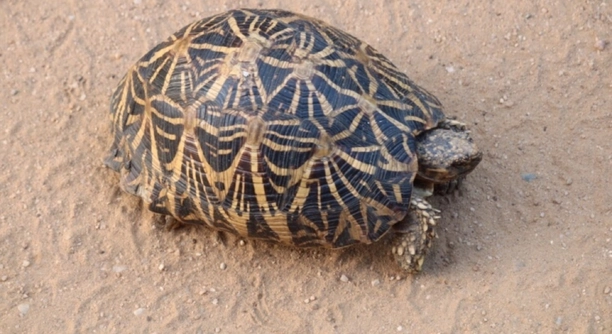
Sometimes, turtles can seem to float on one side, making owners worry. This behavior can happen for various reasons, often related to health or environmental factors. It’s important to understand why this happens and what can be done.
The main cause of a turtle floating on one side is an issue with buoyancy. This can result from an injury, a respiratory infection, or even an imbalance in the turtle’s shell or internal organs.
Knowing the reasons behind this behavior helps you better care for your turtle. Addressing the issue early can prevent further complications and improve your turtle’s well-being.
Why Does My Turtle Keep Floating on One Side?
Turtles can float on one side due to a variety of reasons. One common cause is a respiratory infection, which can cause a buildup of air in the turtle’s lungs. This air prevents them from swimming evenly and can cause them to float to one side. Another possible issue is an injury, particularly to the shell or internal organs, which may lead to an imbalance in buoyancy. In some cases, a metabolic disorder like shell rot can also affect how the turtle moves. If your turtle consistently floats on one side, it’s essential to address the problem early to avoid further complications.
This issue could also be due to an improper tank setup. Poor water quality or incorrect water temperature can contribute to buoyancy issues.
Turtles need a clean, properly maintained habitat to stay healthy. If the tank is too small or the water isn’t filtered, your turtle may not have enough space to move comfortably. Poor water conditions can also weaken their immune systems, making them more susceptible to respiratory infections. Be sure to monitor both the water temperature and the filter to ensure the environment is optimal for your turtle’s health. A proper setup may help resolve or prevent floating on one side.
Health Problems That Can Cause Floating
When a turtle starts floating on one side, it can indicate a serious health concern.
Respiratory infections, shell injuries, or other internal issues might be to blame. If the issue persists for a while, visiting a vet is essential. They can perform tests to diagnose the problem accurately and suggest appropriate treatment.
Respiratory Infections and Their Effect on Buoyancy
Respiratory infections can make it hard for a turtle to swim properly. The infection causes air to accumulate in their lungs, disrupting their balance.
A turtle with a respiratory infection may also show other signs, like difficulty breathing, wheezing, or an open mouth while resting. The extra air in the lungs causes the turtle to float to one side, unable to submerge fully. If you notice these symptoms, seek treatment quickly. A vet can prescribe antibiotics or other medication to clear the infection and help restore the turtle’s natural buoyancy.
Respiratory infections can be caused by poor water quality, low temperatures, or stress. If your turtle’s living environment isn’t ideal, it can weaken their immune system and make them more vulnerable to illnesses. Keeping the tank clean, maintaining the right temperature, and ensuring the turtle’s diet is balanced can help prevent these infections from occurring in the first place.
Tank Conditions and Their Impact
The tank setup is crucial for your turtle’s health. A poorly maintained tank can contribute to buoyancy issues.
The water temperature and quality should be regularly checked. Water that’s too cold or dirty can stress your turtle, weakening their immune system and making them prone to illness. It’s also important to ensure that the turtle has enough space to swim. A cramped tank can affect their ability to move properly, leading to strange floating behavior. Keep a filter in place, change the water regularly, and make sure the tank is large enough for your turtle’s needs.
Shell Injuries and Buoyancy Problems
An injury to the shell can also affect your turtle’s buoyancy. When the shell is damaged, it may lead to uneven weight distribution, causing the turtle to float to one side.
Shell injuries can occur if your turtle is exposed to rough objects or if they collide with hard surfaces in the tank. Even minor damage can impact how your turtle swims. Pay attention to any signs of shell cracking, scarring, or softness. If the injury is severe, it’s essential to seek veterinary care for proper treatment.
Metabolic Bone Disease and Its Effects
Metabolic Bone Disease (MBD) can cause floating or unbalanced swimming. This condition arises from a lack of calcium in the turtle’s diet, leading to weakened bones and a change in buoyancy.
If left untreated, MBD can become serious. You may notice that your turtle has a soft or deformed shell, and they may have difficulty swimming evenly. The condition affects their internal organs and bones, leading to a higher risk of floating on one side. A proper diet with enough calcium and UVB light is essential to prevent MBD and improve overall health.
FAQ
What are the main reasons my turtle floats on one side?
There are several reasons your turtle might float on one side. The most common causes include respiratory infections, shell injuries, improper tank conditions, or metabolic bone disease (MBD). Infections can cause air to build up in the lungs, disrupting the turtle’s buoyancy. Shell injuries can affect weight distribution, causing imbalance. Poor tank conditions, such as dirty water or incorrect temperatures, can weaken a turtle’s health, making them more likely to float unevenly. Lastly, a lack of calcium can lead to MBD, weakening bones and affecting swimming.
Can poor water quality cause my turtle to float on one side?
Yes, poor water quality can affect your turtle’s buoyancy. Dirty water can lead to infections, such as respiratory problems, which may cause the turtle to float on one side. Additionally, if the water temperature is too low, it can weaken your turtle’s immune system, making them more susceptible to illnesses. Ensure that the water is regularly filtered and changed to avoid any issues.
How can I prevent my turtle from floating due to respiratory infections?
To prevent respiratory infections, maintain a clean and properly heated tank. Make sure the water temperature is kept at the right level for your turtle’s species. If your turtle is kept in a tank that’s too cold or too dirty, they may become more vulnerable to infections. Provide proper UVB lighting, which helps turtles metabolize calcium and strengthens their immune systems. A balanced diet is also crucial to prevent illnesses.
Could a shell injury cause my turtle to float unevenly?
Yes, a shell injury can definitely cause your turtle to float on one side. A cracked or damaged shell can affect the way your turtle moves, causing an imbalance in buoyancy. If the injury is severe, it might also lead to infection or further complications, making it even harder for your turtle to swim properly. If you notice any damage to your turtle’s shell, it’s important to visit a vet to assess the injury and treat it accordingly.
What can I do if I notice my turtle is floating after an injury?
If you suspect that your turtle is floating due to a shell injury, check the shell for cracks or any unusual soft spots. It’s best to consult a vet who can determine the extent of the injury. The vet may suggest treatment to help heal the shell and prevent any infections. In the meantime, keep your turtle in a clean, warm tank with proper water conditions to support recovery.
How can I tell if my turtle has Metabolic Bone Disease (MBD)?
MBD can cause floating because it weakens the bones and affects buoyancy. Turtles with MBD often show signs like a soft or deformed shell, difficulty swimming, and a lack of movement. If your turtle’s shell appears soft, it may be an indication of calcium deficiency. MBD is preventable with a proper diet, UVB lighting, and calcium supplementation. If you notice signs of MBD, take your turtle to a vet for a diagnosis and treatment.
Is it normal for my turtle to float after a bath?
It’s not uncommon for turtles to float temporarily after a bath. When turtles are placed in water, they can swallow air or take in water, which can cause them to float. However, this should not persist long after they return to their tank. If your turtle continues to float for an extended period, it may be a sign of an underlying issue, such as respiratory problems or an imbalance in buoyancy. Keep an eye on them and seek advice if the floating continues.
Can stress make my turtle float on one side?
Yes, stress can impact your turtle’s health and cause floating behavior. Stress can weaken their immune system, making them more vulnerable to infections that affect buoyancy. Stress in turtles can come from various factors, such as poor water conditions, tankmates, loud noises, or inadequate space. To reduce stress, ensure that your turtle’s environment is calm, clean, and properly maintained.
How often should I clean my turtle’s tank to prevent floating?
You should clean your turtle’s tank regularly to prevent infections and other health issues. A good rule of thumb is to perform partial water changes once a week and clean the tank thoroughly every 2-3 weeks. Use a water filter to help keep the water clean between changes. If you notice any signs of floating or illness, it’s important to check the water conditions more frequently to ensure there’s no buildup of harmful substances.
Can I fix my turtle’s floating issue at home, or should I consult a vet?
If your turtle is floating, it’s always a good idea to observe them carefully for any other symptoms, such as difficulty breathing, lethargy, or changes in appetite. If you notice these symptoms or the floating persists for more than a couple of days, it’s best to consult a vet. Some minor issues, like a temporary air buildup, may resolve on their own, but underlying health problems like infections or injuries need professional care. A vet can provide treatment or advice specific to your turtle’s condition.
Final Thoughts
Turtles can float on one side for various reasons, and while it might be concerning at first, it’s important to understand what could be causing the issue. Common reasons for this behavior include respiratory infections, shell injuries, poor tank conditions, and metabolic bone disease. Each of these problems can affect your turtle’s buoyancy, making them float or swim unevenly. It’s essential to pay attention to any other symptoms your turtle may be showing, such as difficulty breathing or changes in appetite, as these could help you pinpoint the exact cause.
Maintaining a healthy tank environment is key to preventing many of the issues that lead to floating. Regular water changes, proper filtration, and maintaining the correct temperature are vital for your turtle’s health. Clean water helps reduce the risk of infections, while a stable environment ensures your turtle isn’t stressed. Additionally, a balanced diet with the right amount of calcium and UVB lighting will support your turtle’s overall well-being and prevent conditions like metabolic bone disease, which can impact their buoyancy and swimming abilities.
If your turtle continues to float on one side despite proper care and maintenance, it’s important to consult a veterinarian. They can help determine if there’s an underlying health problem, such as an infection or injury, that requires treatment. Early detection and intervention can prevent more serious complications and ensure your turtle stays healthy. With the right care and attention, most buoyancy issues can be addressed, and your turtle can return to swimming comfortably.

Hello,
If you enjoy the content that we create, please consider saying a "Thank You!" by leaving a tip.
Every little bit helps us continue crafting quality advice that supports the health, happiness, and well-being of pets around the world, for pets of all shapes, sizes, and species.
We really appreciate the kindness and support that you show us!