
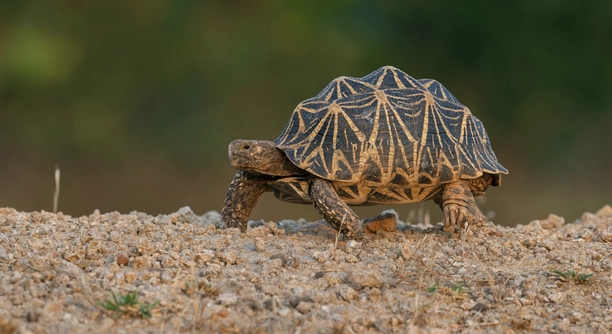
Turtles are fascinating creatures, but their skin needs proper care to stay moist and healthy. Many turtle owners might find this aspect challenging but taking a few simple steps can help maintain their well-being.
Maintaining a turtle’s skin health involves providing a suitable environment with humidity, proper hydration, and the right balance of care. Ensuring access to clean water and a suitable habitat can significantly reduce the risk of skin problems, promoting overall health.
By understanding these basic care guidelines, you’ll be able to provide a comfortable and healthy environment for your turtle. Maintaining skin health is crucial for your turtle’s long-term happiness and well-being.
Keep Their Habitat Humid
Turtles are cold-blooded and rely on external factors to regulate their body temperature. One key to healthy skin is maintaining the right humidity in their environment. If the air around them is too dry, it can cause their skin to dry out, leading to shedding and irritation. A good way to keep their skin hydrated is by placing a humidifier near their tank or aquarium. Additionally, consider adding plants or a shallow water dish to increase moisture levels.
Humidity levels should stay between 50% and 70% for most species. You can measure this with a hygrometer to ensure the levels are within range. Also, make sure that your turtle has access to water at all times. This allows them to hydrate when needed and prevents dehydration, which can cause skin issues.
Keeping humidity stable and high enough will allow your turtle to thrive and keep its skin in good shape. Check your tank or habitat regularly to make sure conditions are optimal.
Regular Soaks for Hydration
Turtles need to soak in water to stay hydrated. This should be done regularly, especially for species that live on land. A shallow dish with fresh water, or giving them a bath, can help them keep their skin moist.
By ensuring they have access to fresh water and soaking them occasionally, your turtle will remain well-hydrated. This is vital for its overall health and comfort.
Use UVB Lighting
UVB lighting plays an essential role in keeping your turtle’s skin healthy. Turtles need UVB rays to produce vitamin D3, which helps with calcium absorption and overall skin health. Without it, their skin may become dry or flaky. A good UVB light source should be placed over their basking area.
Proper UVB lighting should be on for 10-12 hours a day, simulating natural sunlight. Make sure the bulb is the right strength for the size of the enclosure. A UVB bulb needs replacing every 6-12 months to maintain effectiveness, as its rays lose strength over time.
Without the proper UVB lighting, turtles can develop skin conditions that impact their well-being. Be sure to monitor the light source and check your turtle’s skin regularly to ensure they are getting the exposure they need.
Keep Water Clean
Dirty water can lead to skin irritation and other health issues for your turtle. It’s important to keep the water clean by changing it regularly and using a filtration system. A dirty tank can cause bacteria to grow, which may harm your turtle’s skin.
To maintain clean water, change a portion of the water weekly or bi-weekly. If your turtle is active in the water or produces a lot of waste, you may need to clean it more often. A filter will help remove waste and maintain water quality, ensuring your turtle stays healthy and hydrated.
A well-maintained tank not only keeps your turtle’s skin moist but also prevents other health issues. Proper water cleanliness is a key factor in maintaining their overall well-being.
Avoid Overheating
Overheating can cause a turtle’s skin to become dry and irritated. Make sure their basking area is not too hot, as this can lead to dehydration. Check the temperature regularly to ensure it remains within the ideal range for your turtle’s species.
Turtles need a proper balance of warmth and coolness in their habitat. Their basking area should stay between 85-95°F (29-35°C), while the cooler side should be around 75-80°F (24-27°C). If temperatures are too high, your turtle may become stressed, and their skin can suffer from excessive dryness.
Monitor your turtle’s environment closely to maintain a comfortable temperature. This will help prevent overheating and skin issues.
Provide a Balanced Diet
A healthy diet is essential for your turtle’s skin health. Offering a variety of foods, including vegetables, fruits, and proteins, ensures they get the right nutrients. Nutrients like vitamin A support skin health and help keep their skin moist and supple.
A well-rounded diet is just as important as their habitat. Offering foods rich in vitamins and minerals will boost your turtle’s immune system and overall well-being. Regularly include leafy greens, aquatic plants, and insects to help them thrive and maintain healthy skin.
Remove Excess Skin
Turtles shed their skin regularly, and sometimes dead skin can cling to their body. Gently removing excess skin can prevent irritation and keep your turtle’s skin looking healthy. Be careful when handling your turtle, as rough handling can cause stress.
Gently rubbing their skin or giving them a shallow bath can help remove any dead skin cells. It’s important not to force the process, as this can cause injury or stress. Keep your turtle calm and let the skin shed naturally if possible.
FAQ
How can I tell if my turtle’s skin is too dry?
If your turtle’s skin feels rough or flaky, it may be too dry. You may also notice cracks or signs of shedding. In severe cases, dryness can lead to scabs or lesions on the skin. Pay attention to any behavior changes, such as decreased activity, as this could also indicate skin discomfort due to dryness. Make sure your turtle has access to clean, humid environments and fresh water to help with hydration.
What should I do if my turtle’s skin is shedding excessively?
Excessive shedding can be normal, especially if your turtle is growing. However, if the shedding is accompanied by redness, swelling, or lesions, it could be a sign of skin irritation or infection. To manage this, ensure your turtle has proper humidity levels and a balanced diet rich in nutrients. If the issue persists, consult a vet to rule out any underlying health conditions. Providing a clean, well-maintained environment will also help prevent excessive shedding.
Can a dry environment affect my turtle’s skin?
Yes, a dry environment can lead to dry skin in turtles. Turtles need a certain level of humidity to maintain healthy skin. Without it, their skin can become cracked, rough, and prone to infections. A humid environment helps keep their skin moist and prevents excessive shedding. You can use a humidifier or mist their habitat to maintain optimal humidity levels.
Is it normal for turtles to have soft or wrinkled skin?
Soft or wrinkled skin can sometimes be a sign of dehydration. Turtles need access to clean water and the right humidity levels for healthy skin. If you notice wrinkles or softness, check their water quality and humidity. Ensure they are drinking enough and that their habitat is not too dry. Hydration is key to maintaining firm, healthy skin.
How often should I clean my turtle’s shell and skin?
Turtles do not need to have their shells or skin cleaned regularly unless there is a build-up of dirt or algae. If you do clean their skin, be gentle to avoid stress or injury. You can wipe their skin with a soft cloth or give them a shallow bath to remove excess debris. Cleaning should be done when necessary, but it’s important not to overdo it as it can disrupt their natural shedding process.
Can a poor diet affect my turtle’s skin health?
Yes, a poor diet can impact your turtle’s skin. A diet lacking in essential vitamins and minerals can lead to skin problems, including dryness and shedding. Vitamin A is especially important for skin health, as it helps maintain the integrity of the skin. Make sure your turtle gets a balanced diet that includes leafy greens, fruits, and protein sources. If you’re unsure about the best diet for your species of turtle, consult a vet for advice.
What kind of lighting is best for my turtle’s skin?
UVB lighting is crucial for maintaining your turtle’s skin health. UVB rays help turtles produce vitamin D3, which is necessary for calcium absorption and overall skin health. Without UVB exposure, turtles may suffer from dry skin, shell problems, and weakened bones. Make sure your turtle has access to UVB lighting for 10-12 hours a day. Replace the bulbs regularly, as their effectiveness decreases over time.
How can I help my turtle stay hydrated?
To keep your turtle hydrated, provide access to clean water at all times. Many turtles will drink directly from the water, while others may need occasional soaking. You can give your turtle a shallow bath or provide a dish where they can soak regularly. This helps prevent dehydration and keeps their skin hydrated.
Are there any natural remedies for dry turtle skin?
If your turtle’s skin is dry, there are a few natural remedies you can try. Providing a humid environment with proper humidity levels can greatly help. You can also soak your turtle in lukewarm water to help with hydration. Some owners recommend applying a small amount of unscented aloe vera gel to the skin, but only do this if your turtle is comfortable and it’s safe for their species.
What temperature should I keep my turtle’s environment?
The temperature of your turtle’s habitat is crucial for their skin and overall health. A basking area should be between 85-95°F (29-35°C), while the cooler side of the tank should stay around 75-80°F (24-27°C). If the tank is too hot, your turtle may become stressed, and if it’s too cold, it could affect their skin and immune system. Always monitor the temperatures with a reliable thermometer.
Can I use lotions or creams on my turtle’s skin?
It’s not recommended to use lotions, creams, or oils on your turtle’s skin unless advised by a vet. These products can cause irritation or disrupt the natural shedding process. The best way to keep your turtle’s skin healthy is by maintaining proper humidity, providing fresh water, and offering a balanced diet. If you notice any skin problems, it’s best to consult with a vet for proper treatment.
Final Thoughts
Taking care of a turtle’s skin requires consistent attention to their environment, diet, and hydration. Turtles need proper humidity, clean water, and the right temperature to stay healthy. By maintaining these basic factors, you can help prevent skin dryness and other issues. It’s important to monitor the conditions of their habitat regularly and adjust as needed to ensure they are comfortable. Offering a balanced diet that includes vitamins like vitamin A will support their skin health, along with other overall well-being needs.
Turtles naturally shed their skin, but if you notice excessive shedding or other skin issues like cracks or dryness, it’s essential to take action. Keeping humidity levels between 50%-70% and providing a shallow water dish for soaking are simple steps to support their hydration. Avoiding overheating and ensuring proper UVB lighting will also help your turtle maintain healthy skin. If problems persist or you notice signs of infection, it’s best to consult with a vet for advice and treatment. Regular care and monitoring can go a long way in preventing skin problems and ensuring your turtle lives a happy, healthy life.
By paying attention to your turtle’s needs, such as their habitat setup, diet, and hydration, you can create an environment where their skin stays moist and healthy. Taking proactive steps to keep their skin hydrated, clean, and free from irritation will help them thrive. With the right care, your turtle can enjoy a long, healthy life with soft, well-maintained skin.

Hello,
If you enjoy the content that we create, please consider saying a "Thank You!" by leaving a tip.
Every little bit helps us continue crafting quality advice that supports the health, happiness, and well-being of pets around the world, for pets of all shapes, sizes, and species.
We really appreciate the kindness and support that you show us!