
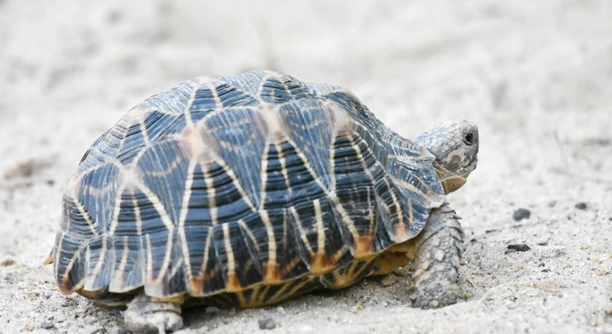
Turtles are fascinating creatures, and if you’re noticing strange behavior like biting their own feet, it may leave you wondering why they do this. Understanding this behavior is key to making sure they stay happy and healthy.
Turtles may try to bite their feet due to stress, boredom, or even an attempt to relieve itching or irritation. In some cases, it can be a sign of environmental factors such as improper lighting or diet.
This article will explore possible causes and solutions to keep your turtle comfortable and thriving. Understanding these factors will help you address any concerns and improve your turtle’s well-being.
Stress and Anxiety
Turtles are sensitive creatures, and they can easily become stressed by changes in their environment. Factors like loud noises, sudden movements, or overcrowding in their tank can trigger anxiety. When stressed, turtles may start biting their own feet as a way to cope with their discomfort. This behavior is often linked to a lack of space or not feeling secure in their habitat. It’s important to provide a calm and peaceful environment for your turtle. If they feel threatened or uneasy, they might resort to this behavior as a response.
Stress also has physical effects on your turtle’s well-being. A stressed turtle may lose its appetite or become lethargic. These signs can make it harder to spot any underlying health issues, which could make the problem worse. It’s crucial to address the stress as soon as possible to prevent further complications.
Ensuring your turtle’s tank has enough hiding spots, is the right temperature, and isn’t too noisy can make a big difference. If stress is the main issue, providing a more secure, peaceful habitat could stop the biting behavior altogether.
Boredom and Lack of Stimulation
Turtles, like other pets, need mental stimulation. Without enough activity or things to do, they may become bored. This boredom could lead to strange behavior like biting their feet. In the wild, turtles are constantly moving around, foraging for food, and exploring their surroundings. Without this opportunity in captivity, they may develop habits to pass the time.
Providing toys, hiding places, and even safe plants to explore can make a significant difference. Make sure your turtle has enough room to move around in its tank and isn’t confined to a small space for too long. Adding variety to their environment helps keep them engaged and reduces the likelihood of foot-biting.
A well-balanced mix of exercise and exploration will keep your turtle mentally and physically stimulated. Regular interaction with your pet can also reduce any tendencies to bite as a result of boredom. By offering a more enriching habitat, you can improve their overall quality of life.
Irritation or Discomfort
Turtles may bite their feet if they’re feeling physical discomfort. This could be caused by an injury, skin irritation, or an issue with their shell. It’s important to regularly check their body for any signs of redness, swelling, or injury. An uncomfortable turtle may try to alleviate this discomfort by biting at its feet.
If a turtle’s feet are inflamed or have scratches, they may bite to relieve the irritation. This behavior is common when they’re dealing with an itch or a sore. Make sure their tank is clean to prevent bacteria or fungus buildup, which can cause infections.
It’s also crucial to look at your turtle’s diet and environment. Poor nutrition or poor water quality can also lead to skin issues that cause discomfort. If you notice any abnormalities, visiting a vet for proper treatment may be necessary.
Improper Lighting or Temperature
Turtles are cold-blooded, and they rely on external sources of heat to regulate their body temperature. If their tank isn’t at the right temperature or lacks proper lighting, they may feel stressed or uncomfortable. In some cases, improper lighting can cause them to act out by biting their feet.
Turtles need a basking area with heat and UVB light to stay healthy. If the temperature isn’t right, they may become lethargic, and their immune system could weaken, making them more susceptible to infections. This discomfort may cause them to bite at their feet as a response to the physical unease.
Ensure your turtle’s environment has a proper heating source, like a heat lamp, and provides a UVB light to help with their digestion and shell health. Regularly checking the temperature in different areas of the tank can help keep your turtle comfortable and prevent unnecessary biting behaviors.
Poor Diet or Nutrient Deficiencies
A poor diet can cause your turtle to feel weak and uncomfortable. If they aren’t getting the proper nutrients, they may start to exhibit strange behaviors, including biting their feet. Deficiencies in calcium or other essential nutrients may lead to health issues that cause this behavior.
A lack of proper nutrition can lead to soft or brittle shells, as well as weakened muscles, making your turtle feel uncomfortable. They might attempt to bite their feet out of frustration or as a way to cope with their physical condition. Ensure a balanced diet with the right variety of food to meet their needs.
Tank Size and Space Constraints
If your turtle’s tank is too small, they may feel cramped and stressed. A small space limits their movement and can lead to restlessness. A lack of space to swim and explore can cause your turtle to act out, which may include biting their feet.
Turtles need ample space to swim, bask, and move freely. A cramped environment can contribute to their stress levels and cause them to feel agitated. If you notice foot-biting behavior, consider upgrading their living space. A larger tank gives them room to stretch and explore, reducing boredom and stress.
Excessive Handling or Interaction
Turtles can become overwhelmed with too much handling or constant interaction. While it’s tempting to interact with your pet, overdoing it can lead to stress. Your turtle may begin to bite their feet as a way to express frustration or discomfort from being disturbed too often.
FAQ
Why is my turtle biting its feet?
Turtles often bite their feet as a response to stress, boredom, irritation, or discomfort. Environmental factors like poor lighting, temperature, or tank size can contribute to this behavior. It may also happen if the turtle has a nutrient deficiency or skin irritation. In some cases, it could be due to physical issues like a wound or fungal infection. If the behavior persists, it’s essential to check the turtle’s environment, diet, and health to pinpoint the cause and address it accordingly.
How can I stop my turtle from biting its feet?
To stop your turtle from biting its feet, ensure it has a proper habitat with enough space, appropriate lighting, and the right temperature. Keep the tank clean and regularly check for injuries or skin irritation. Offer a varied diet rich in vitamins and minerals. Reducing stress by limiting handling and providing hiding spots can also help. If the behavior continues, consult with a veterinarian to rule out any underlying health problems.
Can a turtle’s diet affect its behavior?
Yes, a poor or imbalanced diet can affect a turtle’s behavior. Nutrient deficiencies, such as lack of calcium, can lead to discomfort, which might cause your turtle to bite its feet. An unhealthy diet can also weaken the immune system, making it more susceptible to infections that could irritate the skin. Ensure your turtle’s diet includes leafy greens, protein sources, and calcium supplements to maintain good health and prevent behavior problems.
What temperature should my turtle’s tank be?
The ideal temperature for a turtle’s tank varies depending on the species, but most turtles thrive in water temperatures between 75°F and 85°F (24°C to 29°C) during the day. The basking area should be warmer, typically around 90°F to 95°F (32°C to 35°C), to allow your turtle to regulate its body temperature. Proper heat sources, like a heat lamp or basking platform, are essential for your turtle’s overall health and well-being. Always monitor the temperature with a thermometer to ensure it stays consistent.
How can I tell if my turtle is stressed?
Signs of stress in a turtle can include reduced activity, loss of appetite, excessive hiding, or erratic swimming patterns. Stress can also lead to more noticeable behaviors like biting or scratching at their feet. If your turtle is stressed, consider factors like tank size, lighting, temperature, and tank mates. Too much noise, handling, or crowding can also contribute to stress. Make changes to its environment to help reduce the stress levels and provide a more comfortable habitat.
Do turtles need UVB light?
Yes, turtles need UVB light to stay healthy. UVB light helps turtles produce Vitamin D3, which is necessary for calcium absorption and healthy shell development. Without UVB light, turtles may develop metabolic bone disease and weakened shells. It’s essential to provide a UVB lamp in their basking area and ensure it’s the correct type for their species. Replacing the bulb regularly, as UVB output decreases over time, is also crucial for their long-term health.
Is it normal for turtles to bite each other?
It is normal for turtles to bite each other from time to time, especially during mating seasons or if they feel threatened. However, if the biting becomes excessive or aggressive, it could indicate overcrowding, territorial disputes, or stress. In this case, it’s essential to monitor their interactions and possibly separate them to avoid injuries. Providing plenty of hiding spots and increasing the tank size can help reduce aggression among multiple turtles.
Can a dirty tank cause my turtle to bite its feet?
Yes, a dirty tank can cause a turtle to develop skin infections, irritations, or stress, which may lead to foot-biting behavior. If the water quality isn’t properly maintained, bacteria, algae, or fungi can build up, making your turtle uncomfortable. Regular cleaning, water changes, and proper filtration are crucial to maintaining a healthy environment for your turtle. Ensuring that the tank is properly cleaned can prevent the development of skin issues and reduce foot-biting behavior.
Should I take my turtle to the vet if it keeps biting its feet?
If your turtle’s foot-biting behavior persists despite changes to its environment and diet, or if you notice signs of injury, infection, or health problems, it’s best to take it to a vet. A veterinarian can help identify underlying issues like infections, skin conditions, or internal health problems that may be causing the behavior. Regular checkups can also help ensure that your turtle remains healthy and free from diseases that could affect its overall behavior.
How can I make my turtle’s tank more interesting?
To make your turtle’s tank more stimulating, provide a variety of hiding spots, plants, and enrichment items such as rocks or floating platforms. These features encourage exploration and mimic a more natural environment. Additionally, offering different textures in the tank, such as sand, gravel, or smooth rocks, can give your turtle more to interact with. Regularly rotating tank decorations or adding new elements can also prevent boredom and help your turtle stay engaged and active.
Final Thoughts
Understanding why your turtle bites its feet is important in providing the best care for your pet. There are several reasons why turtles might exhibit this behavior, including stress, boredom, irritation, or environmental issues. Recognizing these signs early can help you take the necessary steps to correct the problem and ensure your turtle remains healthy and comfortable. Small changes to their environment, diet, and daily routine can make a big difference in preventing this behavior from continuing.
If you notice your turtle biting its feet, start by examining its tank. Make sure it has enough space to move around and swim freely. A cramped tank can lead to stress, which can trigger foot-biting. Also, check the temperature and lighting, as improper conditions can make your turtle uncomfortable. Ensuring proper care and a clean environment will help eliminate most causes of stress and irritation. Pay attention to any signs of injury, infection, or skin issues that could also contribute to the behavior. Regular checks and routine maintenance of your turtle’s habitat are key to keeping it happy.
If the problem persists after adjusting its environment and diet, it might be time to visit a vet. A professional can help rule out any medical conditions or injuries that could be causing the issue. While it’s common for turtles to exhibit occasional strange behaviors, consistent or severe foot-biting may be a sign of something more serious. By addressing these concerns early on, you can help your turtle live a long, healthy life without the stress or discomfort that leads to such behavior.

Hello,
If you enjoy the content that we create, please consider saying a "Thank You!" by leaving a tip.
Every little bit helps us continue crafting quality advice that supports the health, happiness, and well-being of pets around the world, for pets of all shapes, sizes, and species.
We really appreciate the kindness and support that you show us!